
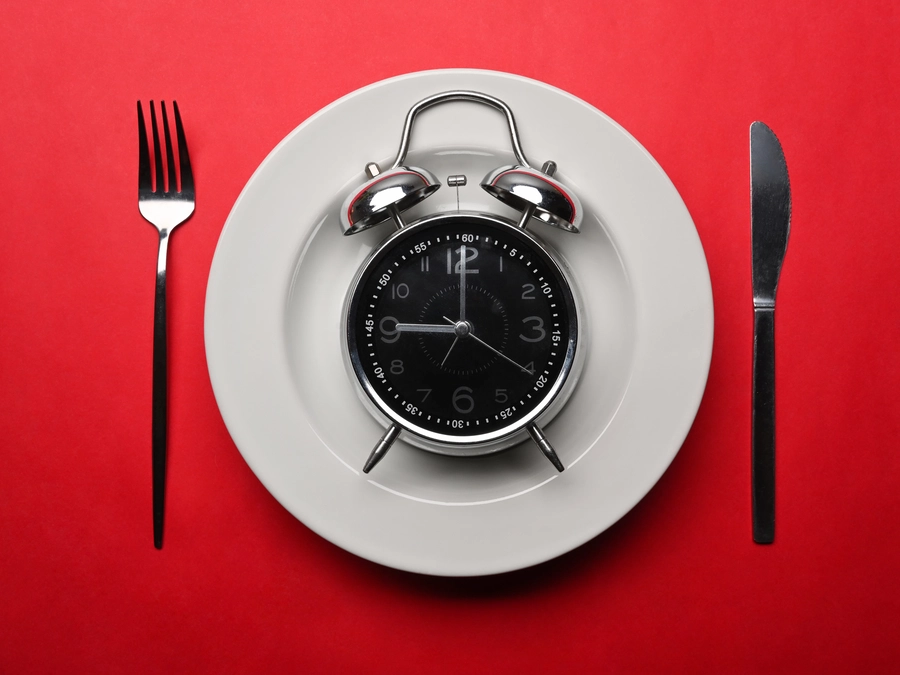
Elevate your morning routine with high protein breakfast ideas perfect for intermittent fasting. Fuel your day with delicious options that satisfy and energize!
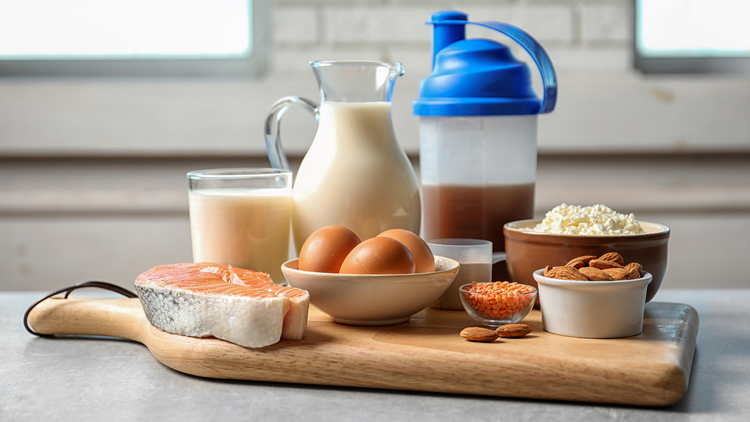
Protein plays a vital role in every cell of your body, making it an essential part of your diet. When you break your fast with a high-protein breakfast, you provide your body with the necessary building blocks to repair tissues, produce enzymes, and support immune function. Additionally, protein-rich foods have a higher thermic effect, meaning your body burns more calories digesting them compared to fats or carbohydrates, which can aid in weight management.
Starting your day with a high-protein meal also helps regulate your appetite. Protein induces the release of satiety hormones such as peptide YY and GLP-1, which signal to your brain that you are full. This can prevent overeating later in the day and reduce cravings for unhealthy snacks. Furthermore, a protein-rich breakfast can stabilize your blood sugar levels, preventing the energy crashes often associated with high-carb meals.
For those practicing intermittent fasting, consuming enough protein is particularly important to preserve muscle mass. When you fast, your body might use muscle protein for energy if your dietary intake is insufficient. By incorporating a substantial amount of protein into your first meal, you can mitigate muscle loss, support recovery from exercise, and maintain a higher metabolic rate, which is crucial for long-term weight maintenance.
There are numerous benefits associated with consuming high-protein breakfasts, especially for those practicing intermittent fasting. One of the most significant advantages is enhanced satiety. A meal rich in protein can keep you feeling full for longer periods, reducing the likelihood of mid-morning hunger pangs and overeating at subsequent meals. This can be particularly beneficial in maintaining a calorie deficit, which is essential for weight loss.
Another benefit is improved muscle health and maintenance. Protein is crucial for muscle repair and growth, and consuming it after a fasting period ensures that your muscles receive the necessary nutrients for recovery. This is especially important for individuals who engage in regular physical activity, as protein helps repair exercise-induced muscle damage and promotes the synthesis of new muscle tissue.
Moreover, high-protein breakfasts can positively impact your metabolic rate. Protein has a high thermic effect, meaning it requires more energy to digest, absorb, and metabolize compared to fats and carbohydrates. This can lead to a temporary increase in your metabolic rate, helping you burn more calories throughout the day. Additionally, stabilizing blood sugar levels with a protein-rich meal can enhance cognitive function and energy levels, setting a positive tone for the rest of your day.
Incorporating high-protein foods into your breakfast can be both delicious and nutritious. Eggs are a classic choice, offering around 6 grams of protein per egg along with essential vitamins and minerals. They are incredibly versatile and can be prepared in various ways, from scrambled to poached to omelets filled with vegetables and lean meats. Greek yogurt is another excellent option, providing approximately 10 grams of protein per serving and can be paired with fruits, nuts, or seeds for added nutrition.
For those who prefer plant-based options, tofu and tempeh are fantastic sources of protein. Tofu scramble can be a delightful alternative to scrambled eggs, while tempeh can be sautéed and added to breakfast bowls or wraps. Legumes such as lentils and chickpeas can also be incorporated into breakfast dishes, offering substantial protein and fiber to keep you satisfied. Adding a spoonful of nut butter to your morning smoothie or oatmeal can also boost the protein content significantly.
Cottage cheese is another protein powerhouse, delivering about 14 grams of protein per half-cup serving. It can be enjoyed on its own, mixed with fruits, or used as a topping for whole-grain toast. Smoked salmon and other lean meats like turkey or chicken sausage can also provide a substantial protein boost. By incorporating these high-protein foods into your breakfast, you can ensure that your first meal of the day is both satisfying and nourishing.

Finding time to prepare a protein-packed breakfast can be challenging, but with a few quick and easy recipes, you can start your day on the right foot. One simple yet delicious option is a smoothie bowl. Blend together a scoop of protein powder, a handful of spinach, a frozen banana, and some almond milk. Pour the mixture into a bowl and top it with sliced fruits, chia seeds, and granola for a nutritious and satisfying meal.
Another quick recipe is an avocado and egg toast. Simply toast a slice of whole-grain bread, mash half an avocado on top, and add a poached or fried egg. Sprinkle with salt, pepper, and a dash of red pepper flakes for a kick. This meal provides a good balance of healthy fats, protein, and fiber, keeping you full and energized throughout the morning. For an extra protein boost, add some smoked salmon or turkey slices.
Overnight oats are a fantastic make-ahead option that can save you time in the morning. Combine rolled oats, Greek yogurt, chia seeds, and almond milk in a jar and let it sit in the refrigerator overnight. In the morning, give it a good stir and top with your favorite fruits, nuts, or a drizzle of honey. This recipe is not only high in protein but also provides a good dose of fiber, vitamins, and minerals.
For those with hectic schedules, meal prepping high-protein breakfasts can be a game-changer. One excellent meal prep idea is making a batch of egg muffins. Whisk together eggs, chopped vegetables, and your choice of lean protein such as turkey sausage or ham. Pour the mixture into a greased muffin tin and bake at 350°F for about 20 minutes. These egg muffins can be stored in the refrigerator and reheated for a quick breakfast throughout the week.
Another convenient option is preparing a large batch of quinoa breakfast bowls. Cook quinoa according to the package instructions and divide it into individual containers. Add toppings such as sautéed spinach, cherry tomatoes, avocado, and a boiled egg. These bowls can be customized with different vegetables and proteins, providing a versatile and nutritious breakfast option that is easy to grab and go.
Protein-packed breakfast burritos are also great for meal prepping. Scramble eggs with black beans, bell peppers, and onions. Spoon the mixture onto whole-grain tortillas, sprinkle with cheese, and roll them up. Wrap each burrito in foil and store them in the freezer. In the morning, simply unwrap and microwave for a quick and satisfying meal. The combination of protein, fiber, and healthy fats in these burritos will keep you fueled and focused throughout your busy day.
When practicing intermittent fasting, it is important to pay attention to your overall nutritional intake to ensure you are meeting your body's needs. During your eating window, focus on consuming a variety of nutrient-dense foods that provide essential vitamins, minerals, and antioxidants. This includes a mix of lean proteins, healthy fats, whole grains, and plenty of fruits and vegetables. A balanced diet can support overall health and enhance the benefits of intermittent fasting.
Hydration is another key consideration. During fasting periods, it is important to stay hydrated by drinking plenty of water. This can help prevent dehydration, support digestion, and keep you feeling energized. Herbal teas and black coffee can also be consumed during fasting periods, but be mindful of adding any sweeteners or creamers that may break your fast. Electrolyte-rich beverages such as coconut water can be beneficial, especially if you are engaging in intense physical activity.
Monitoring your energy levels and adjusting your eating window as needed can also help optimize your intermittent fasting experience. Some individuals may find that a shorter fasting period works better for their lifestyle and energy needs, while others may thrive on a longer fasting window. Experimenting with different approaches and listening to your body's signals can help you find the best routine for your individual needs and goals.
Incorporating high-protein breakfasts into your intermittent fasting routine can have numerous benefits for your health, weight management, and overall well-being. By understanding the importance of protein and selecting the right foods, you can create satisfying and nutritious meals that keep you energized and focused throughout the day. From quick and easy recipes to meal prep ideas, there are plenty of ways to enjoy a high-protein breakfast even on busy mornings.
Avoiding common mistakes and paying attention to your nutritional needs can help you maximize the benefits of intermittent fasting and ensure you are fueling your body properly. Whether you prefer a hearty egg scramble, a refreshing smoothie bowl, or a convenient protein shake, there are endless options to suit your tastes and lifestyle. By prioritizing protein and balancing your meals with other essential nutrients, you can set yourself up for success and make the most of your intermittent fasting journey.
As you embark on your intermittent fasting journey, remember that consistency and balance are key. Listen to your body's needs, experiment with different foods and recipes, and find what works best for you. With the right approach, high-protein breakfasts can become a delicious and integral part of your routine, helping you achieve your health and wellness goals. So, rise and shine with a protein-packed breakfast and fuel your day with the energy and nutrition you need to thrive!
Please fill in your details to start.
Hi there! 👋
I am Revolution Nutrition's customer support! How are you today?