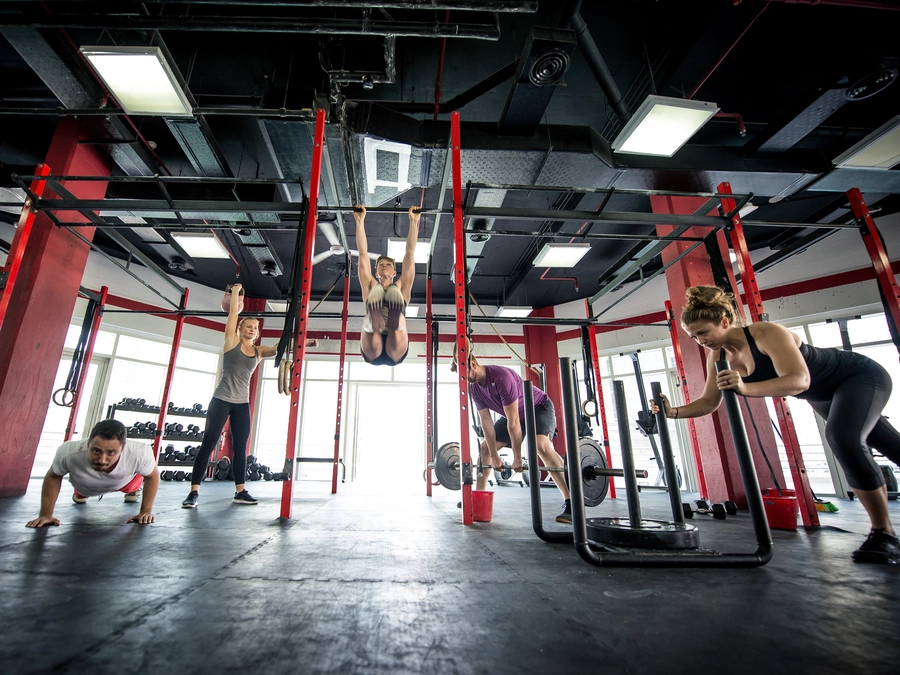
You slept 8 hours. You ate clean. You warmed up like a pro. Then minute 12 of the WOD hits, your legs turn to concrete, your grip gives out on the pull-up bar, and your brain is screaming at you to put the barbell down.
Most athletes blame their fitness. It's usually their hydration.
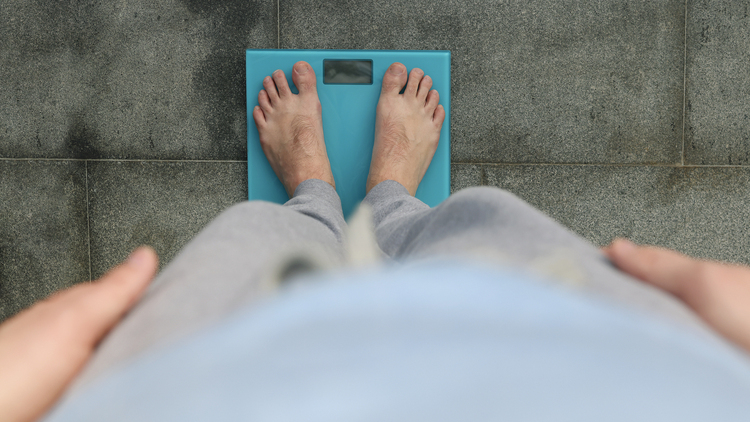
Here's the stat that should change how you train: losing about 2% of your body weight in fluid is enough to measurably hurt endurance, power output and focus.
For a 70 kg (154 lb) athlete, that's just 1.4 kg (about 3 lb) of sweat. In a hot box during a long chipper, you can lose that in a single session.
At that point, you're not having an "off day." You're dehydrated.
This is where most people get it wrong. When you sweat, you don't just lose water. You lose electrolytes, the electrically charged minerals that run almost everything your body does under load:
Chug liter after liter of plain water during a long, sweaty session and you can end up diluting the sodium in your blood. In extreme cases, that leads to a dangerous condition called hyponatremia. Even in milder cases, it can mean fatigue, headaches and that washed-out, "why do I feel worse after drinking?" feeling.
Hydration isn't just about how much you drink. It's about what you drink.
CrossFit is basically designed to make you sweat buckets:
Some athletes are also "salty sweaters": they lose far more sodium than average. If you finish workouts with white streaks on your shirt or hat, or sweat that stings your eyes, that might be you.

You don't need a lab to get this right. Use this as a starting point and adjust to your body:
Before training (2–4 hours out): Drink about 5–7 ml per kg of body weight. For a 70 kg athlete, that's roughly 350–500 ml. Show up already hydrated, not trying to catch up.
During training: For short WODs under 30–45 minutes, water is usually fine. For longer sessions, hot days, two-a-days or competitions, add electrolytes, especially sodium.
After training: Replace what you lost. Weigh yourself before and after a workout: every kilogram lost is about a liter of fluid. Aim to drink around 1.25–1.5 times that amount over the next few hours, ideally with electrolytes and a meal.
All day long: Hydration isn't a pre-workout ritual. Sip consistently through the day so you never start in a hole.
Try this once: weigh yourself right before a typical workout, train, towel off and weigh yourself again (adding back anything you drank). That gives you your sweat rate, and it's the single most useful number for dialing in your hydration. Many CrossFit athletes are surprised to find they lose 1 to 2 liters per hour.
You can have the perfect program, the perfect diet and the perfect sleep, and still leave performance on the table because your hydration isn't keeping up.
Water gets you started. Electrolytes keep you going. Drink with a plan, replace what you sweat out, and watch how much stronger those last rounds feel.
Your next PR might not be in the barbell. It might be in your bottle.
This article is for general information and isn't medical advice. Athletes with heart, kidney or blood pressure conditions should talk to a healthcare professional before changing their sodium or fluid intake.
Please fill in your details to start.
Hi there! 👋
I am Revolution Nutrition's customer support! How are you today?