
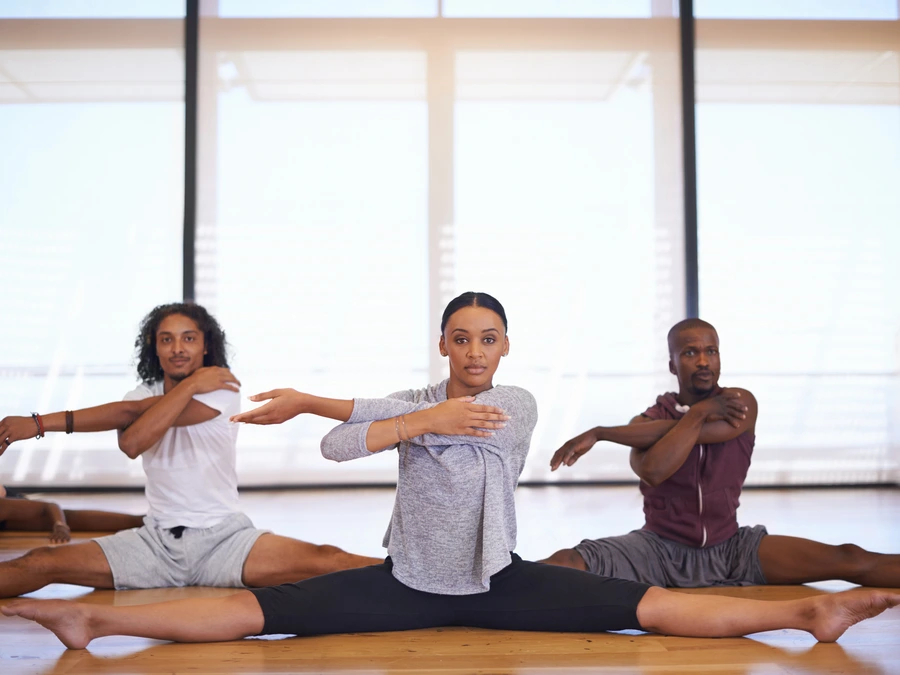
Unlock your body's potential with our 7-Day Flexibility Challenge for Beginners! Discover simple, effective stretches to enhance your mobility and well-being.
Improved flexibility offers a multitude of benefits that extend beyond just being able to touch your toes or execute a perfect split. One of the primary advantages is the enhancement of your overall physical performance. When your muscles are flexible, they can move through their full range of motion more efficiently. This leads to better form during exercises, reduces the risk of injury, and can even improve your strength as your muscles work more effectively. Additionally, increased flexibility can alleviate muscle soreness and reduce the risk of strains and sprains, making it a crucial component of any fitness regimen.
Flexibility also plays a significant role in improving posture and balance. Tight muscles can pull your body out of alignment, leading to poor posture and an increased risk of chronic pain, particularly in the lower back, neck, and shoulders. By incorporating regular stretching into your routine, you can lengthen tight muscles, correct imbalances, and maintain a more natural, upright posture. This, in turn, can enhance your balance and coordination, making everyday activities easier and reducing the likelihood of falls and related injuries.
Moreover, the benefits of flexibility extend to mental well-being. Stretching exercises can be incredibly relaxing, helping to reduce stress and promote a sense of calm. Taking time out of your day to focus on your body and breathe deeply can provide a mental break from the hustle and bustle of daily life. This mindfulness aspect of stretching can improve your mood, reduce anxiety, and even enhance your overall quality of sleep. Thus, improving flexibility is not just about physical gains; it also contributes significantly to your mental and emotional health.
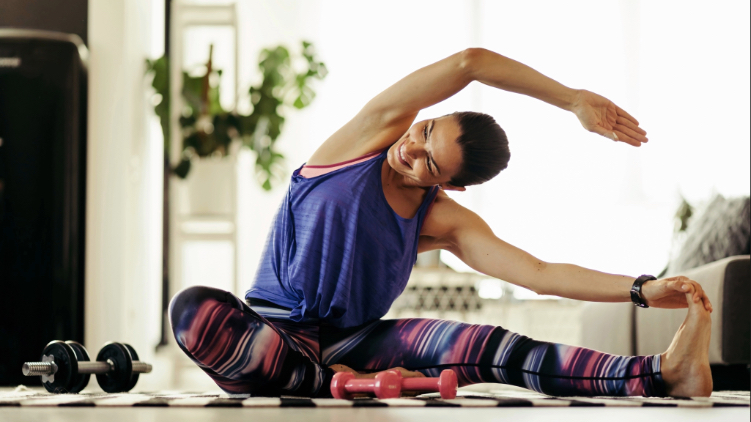
Start your flexibility journey with a focus on the lower body. Begin with a simple hamstring stretch: sit on the floor with your legs extended straight in front of you, and reach for your toes. Hold this position for 30 seconds, ensuring that you keep your back straight to avoid straining your lower back. Next, move on to a quadriceps stretch. Stand up, grab your right ankle with your right hand, and pull your heel towards your glutes. Hold this position for 30 seconds on each leg. Finally, complete your lower body routine with a calf stretch. Stand facing a wall, place your hands against it, and step one foot back, pressing the heel into the ground. Hold for 30 seconds on each side.
On the second day, shift your focus to the upper body. Start with a shoulder stretch: extend one arm across your chest, using your other arm to pull it closer to your body. Hold for 30 seconds on each side. Follow this with a chest stretch by standing in a doorway, placing your forearms on either side of the doorframe, and leaning forward to open up your chest. Hold for 30 seconds. Finish with an upper back stretch: sit on the floor with your legs crossed, extend your arms in front of you, and round your back as you reach forward. Hold this position for 30 seconds, feeling the stretch between your shoulder blades.
Day 3 focuses on the core muscles. Begin with a cat-cow stretch: get on all fours, arch your back towards the ceiling, and then dip it towards the floor, moving fluidly between the two positions for 60 seconds. Next, perform a cobra stretch by lying face down, placing your hands under your shoulders, and pressing up to lift your chest off the ground. Hold this position for 30 seconds. Conclude with a seated twist: sit with your legs extended, bend one knee, and twist your torso towards the bent knee, holding for 30 seconds on each side.
Combine the stretches from the previous days for a full-body routine on Day 4. Start with a hamstring stretch, followed by a quadriceps stretch, then move on to a shoulder stretch, chest stretch, and upper back stretch. Incorporate the cat-cow stretch, cobra stretch, and seated twist to ensure that every major muscle group is engaged. Hold each stretch for 30 seconds, and remember to breathe deeply throughout the routine.
On Day 5, revisit the lower body with increased intensity. Perform a standing forward bend: stand with your feet hip-width apart, and hinge at your hips to reach towards the floor. Hold for 30 seconds. Follow with a deeper quadriceps stretch by performing a lunge: step one foot forward and lower your back knee to the ground, pressing your hips forward. Hold for 30 seconds on each side. Finish with an advanced calf stretch: place the ball of one foot on a step, and gently press your heel down. Hold for 30 seconds on each side.
Day 6 focuses on deepening your upper body stretches. Start with an overhead triceps stretch: raise one arm overhead, bend it at the elbow, and use your other hand to gently press on the bent elbow. Hold for 30 seconds on each side. Perform a deeper chest stretch by clasping your hands behind your back, straightening your arms, and lifting them as you open your chest. Hold for 30 seconds. Complete the routine with a child’s pose: sit back on your heels, extend your arms in front of you, and lower your chest to the ground. Hold for 30 seconds.
Conclude the challenge with a full-body deep stretch routine. Start with a standing forward bend, followed by a lunge, and a deeper calf stretch. Move on to an overhead triceps stretch, deep chest stretch, and child’s pose. Incorporate a pigeon pose for your hips: from all fours, bring one knee forward and extend the opposite leg behind you, lowering your hips towards the ground. Hold for 30 seconds on each side. Finish with a seated forward bend: sit with your legs extended, reach for your toes, and hold for 30 seconds.
Warming up before stretching is crucial to prepare your muscles for the increased range of motion. Start with 5-10 minutes of light cardiovascular activity, such as brisk walking, jogging, or jumping jacks. This increases blood flow to your muscles, making them more pliable and reducing the risk of injury. Follow your cardio with dynamic stretches, which involve moving parts of your body through their full range of motion. Examples include leg swings, arm circles, and hip rotations. These movements help to further loosen up your muscles and joints, ensuring that you are ready for the more static stretches that follow.
After completing your flexibility routine, it’s equally important to cool down and help your muscles recover. Begin with 5 minutes of light activity, such as walking or gentle cycling, to bring your heart rate down gradually. Follow this with static stretches, holding each position for 30 seconds to a minute. Cooling down helps to reduce muscle stiffness and soreness, prevents blood from pooling in your extremities, and promotes overall relaxation. Incorporating deep breathing exercises during your cool-down can also enhance the relaxation effect and improve your mental well-being.
In addition to warming up and cooling down, hydration plays a key role in maintaining muscle flexibility. Ensure that you are adequately hydrated before, during, and after your stretching sessions. Dehydrated muscles are more prone to cramps and strains, so drinking plenty of water is essential for optimal performance. Furthermore, consider incorporating foam rolling into your warm-up and cool-down routines. Foam rolling helps to release muscle tightness, improve blood flow, and enhance overall flexibility. By taking a few minutes to roll out tight areas before and after stretching, you can maximize the benefits of your flexibility routine.
Keeping track of your progress is an essential part of any fitness journey, and flexibility training is no exception. Start by documenting your initial flexibility levels at the beginning of the 7-Day Challenge. Take note of how far you can reach in each stretch, how long you can hold the positions, and any areas where you feel particularly tight or restricted. This baseline assessment will serve as a reference point to measure your improvements over the week.
Consider taking photos or videos of your stretches on Day 1 and again at the end of the challenge. Visual evidence can be incredibly motivating as it provides a clear, tangible record of your progress. You might be surprised at the difference a week of consistent stretching can make. Additionally, keeping a journal or log of your daily routines, including how you feel before and after each session, can help you identify patterns and areas that need more attention.
Regularly reassessing your flexibility levels beyond the 7-Day Challenge is also important to maintain and further improve your progress. Set aside time every few weeks to re-evaluate your stretches, noting any improvements or areas that still need work. This ongoing assessment will help you stay motivated and committed to incorporating flexibility training into your long-term fitness routine.
Staying motivated throughout the 7-Day Flexibility Challenge can be challenging, especially if stretching is new to you. One effective way to stay on track is to set specific, achievable goals for each day. Whether it’s holding a stretch for a few seconds longer or reaching a bit further, having clear objectives can provide a sense of accomplishment and keep you motivated to continue. Celebrate your small victories along the way, as these milestones can boost your confidence and reinforce your commitment to the challenge.
Finding a stretching buddy can also enhance your motivation. Partnering with a friend or family member can make the experience more enjoyable and provide accountability. You can encourage each other, share progress, and even turn it into a friendly competition. Additionally, joining online communities or social media groups focused on flexibility and stretching can provide a supportive network to share tips, ask questions, and celebrate achievements.
Incorporating variety into your stretching routine can prevent boredom and keep you engaged. Experiment with different stretches, try new positions, and incorporate tools like resistance bands or yoga blocks to add a new dimension to your routine. Listening to music or guided stretching sessions can also enhance your experience, making it more enjoyable and helping you stay focused. Remember, the key to staying motivated is to make your flexibility training a positive and rewarding experience.
Completing the 7-Day Flexibility Challenge is a significant achievement, but it’s just the beginning of your journey towards improved mobility and well-being. By now, you should have a solid understanding of the benefits of flexibility, the structure of effective routines, and the importance of proper warm-up and cool-down techniques. You’ve also learned about common mistakes to avoid, how to track your progress, and tips for staying motivated. Armed with this knowledge, you are well-equipped to continue your flexibility training beyond the initial challenge.
Consider setting new goals to further enhance your flexibility. Whether it’s increasing the duration of your stretches, incorporating more advanced positions, or integrating flexibility training with other forms of exercise, there are countless ways to continue progressing. Keep documenting your progress and adjust your routines as needed to ensure that you are continually challenging your muscles and making improvements.
Remember, flexibility training is a lifelong practice that requires consistency and dedication. The benefits extend beyond physical performance, contributing to better posture, reduced pain, and improved mental well-being. Make stretching a regular part of your daily routine, and you’ll continue to experience the positive impacts on your overall health and quality of life. Congratulations on completing the 7-Day Flexibility Challenge, and here’s to a more flexible, healthier you!
Please fill in your details to start.
Hi there! 👋
I am Revolution Nutrition's customer support! How are you today?