Welcome
It looks like you are in United States (US), would you like to visit our US site?

No, keep me on Revolution Nutrition Canada

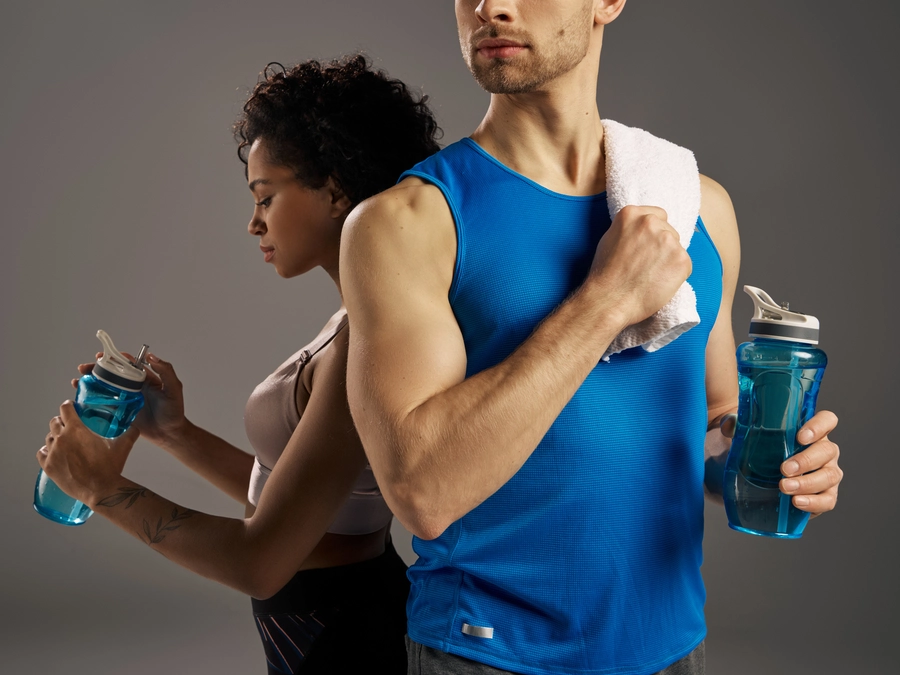
So what's actually true? Is water alone leaving you dehydrated, or is this an expensive solution to a problem most people don't have?
The honest answer is that it depends entirely on the situation — and the situations are more predictable than the marketing suggests.
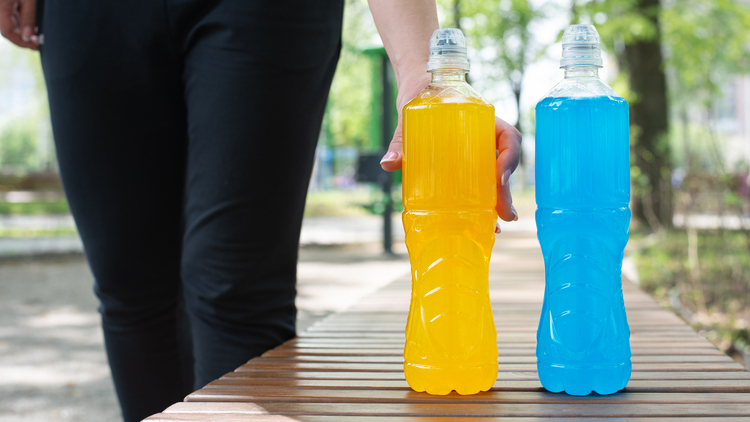
Electrolytes are minerals that carry an electrical charge when dissolved in fluid: sodium, potassium, chloride, magnesium, and calcium. They're not an energy source and they're not a supplement in the usual sense — they're the infrastructure your body uses to move fluid around and fire your nervous system.
The one that matters most for hydration is sodium. Here's the mechanism in one sentence: water follows sodium. Your body regulates fluid balance largely by regulating sodium concentration, and fluid moves across cell membranes toward wherever sodium is more concentrated.
This is why the question isn't really "electrolytes or water" — it's "does this particular situation involve enough sodium loss to matter?"
For most people, most of the time, water is the correct answer.
If you're sitting at a desk, running errands, doing a 45-minute weights session in an air-conditioned gym, or going for an easy walk — water and a normal diet cover it completely. The average Canadian diet delivers well over 2,000 mg of sodium a day, which is more than enough to replace what you lose sitting still or training moderately.
Adding an electrolyte drink to a sedentary day isn't dangerous, but it isn't doing much either. You'll excrete the excess. The main thing it changes is your grocery bill.
Water is enough when: your session is under an hour, you're not visibly soaked in sweat, the environment is temperate, and you eat regular meals.
There's a point where drinking plain water stops solving the problem and can actually make it slightly worse. If you've lost a significant amount of sodium through sweat and you replace only the fluid, you dilute the sodium that's left. Your body's response is to dump the excess water rather than hold it — which is why you can drink constantly during a hot, long session and still feel flat, headachy, and behind.
In extreme cases — marathoners drinking heavily over many hours — this becomes hyponatremia, dangerously low blood sodium. That's rare and usually involves hours of overdrinking. But a mild version of the same mechanism is common: you drink plenty, you pee it all out, and you finish the workout feeling worse than you should.
Electrolytes earn their place when:

Sweat sodium varies enormously between people — somewhere between roughly 200 and 2,000 mg per litre. Two people doing the identical workout can have wildly different needs. If you're someone whose hat comes out crusted with salt, you're at the high end and you'll notice the difference more than most.
Not all of them are built for the same job, and the label tells you which is which.
Check the sodium first. This is the active ingredient for hydration purposes. Products range from about 200 mg to over 1,000 mg per serving. Higher-sodium formulas are built for heavy sweating and long sessions; lower-sodium ones are more of a daily-use, light-top-up product. Neither is wrong — they just answer different questions.
Decide whether you want carbs. For sessions over 90 minutes — long rides, long runs, endurance events — a product with some carbohydrate does double duty, fuelling you while it hydrates. For a one-hour gym session, a zero-sugar electrolyte drink is the better fit; you don't need the calories.
Potassium and magnesium are supporting cast. Useful, worth having in the formula, but they're not what's driving fluid retention. Don't pick a product on those numbers alone.
Watch the sweeteners if you're sensitive. Some sugar alcohols in larger doses cause stomach trouble mid-workout, which defeats the purpose.
And a note on the natural alternatives: coconut water is decent on potassium but fairly low in sodium, so it's a weak choice for replacing heavy sweat losses. A pinch of salt in your water is genuinely functional — just unpleasant enough that most people won't keep doing it.
Here's the whole article in four lines:
So: which hydrates you better? Water is the foundation — nothing replaces it, and no powder will hydrate you if you aren't drinking enough fluid in the first place. Electrolytes are what let your body hold onto that fluid when you're losing sodium faster than food can replace it.
Not a rivalry. A pairing — and knowing when you need the second half is what separates feeling good at the end of a hard session from dragging yourself through it.
Please fill in your details to start.
Hi there! 👋
I am Revolution Nutrition's customer support! How are you today?