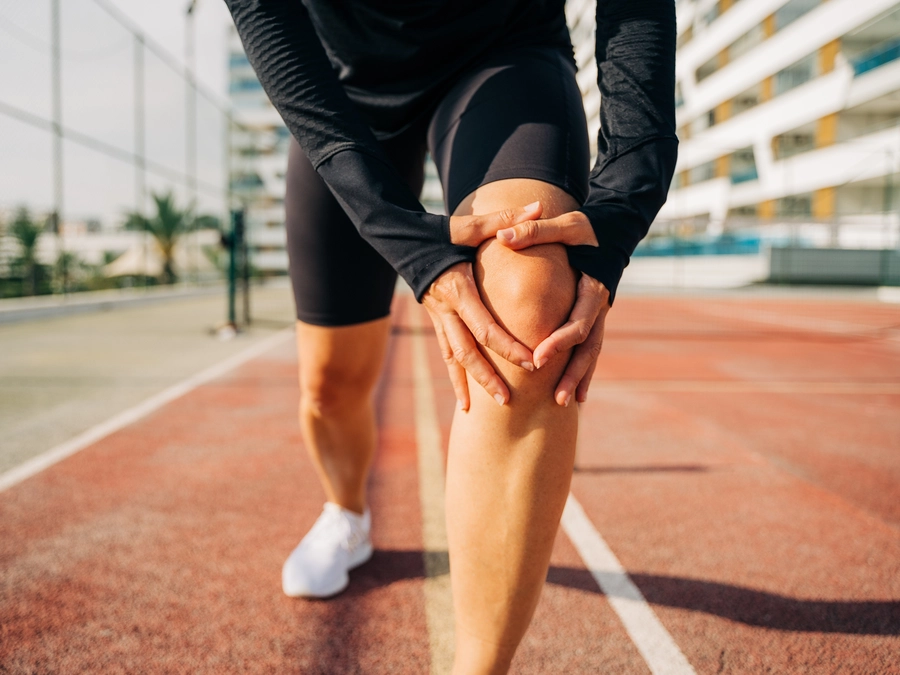
Are you struggling with knee pain or instability that affects your daily activities? If traditional rehab exercises haven’t been cutting it, you're in for a game-changer! The Bulgarian split squat, often overlooked in many fitness routines, is rapidly gaining recognition as a powerful tool for rehabilitation. Not only does it target key muscle groups crucial for knee stability, but it also promotes balance and coordination in a way that standard moves just can’t match. By incorporating this dynamic exercise into your rehab regimen, you can strengthen your legs effectively while minimizing discomfort. Whether you're an athlete aiming to bounce back from an injury or someone seeking relief from persistent knee issues, understanding how to harness the benefits of the Bulgarian split squat could be the key to reclaiming your mobility and strength. Let’s dive deeper into why this exercise might just be your secret weapon in overcoming knee pain and instability!

When it comes to knee health, the Bulgarian split squat offers a myriad of benefits that can help alleviate pain and enhance stability. One of the primary advantages is the targeted strengthening of the quadriceps, which are vital for knee support. Strong quads help to absorb shock and distribute forces evenly across the knee joint, thereby reducing undue stress and potential injury. The Bulgarian split squat effectively isolates these muscles, allowing for focused development that translates directly into improved knee function.
Another significant benefit is the activation of the hamstrings and glutes. These muscle groups are essential for proper knee movement and stability. The Bulgarian split squat engages these muscles simultaneously, promoting balanced development and reducing the risk of muscle imbalances that often lead to knee pain. Strengthening the hamstrings and glutes also aids in stabilizing the pelvis, which in turn supports the knee joint during various activities, from walking to high-intensity sports.
Furthermore, the Bulgarian split squat is highly adaptable, making it suitable for individuals at different stages of rehabilitation. By adjusting the depth of the squat or the weight used, one can tailor the exercise to match their current capabilities and progressively increase the challenge as their strength and stability improve. This adaptability ensures that the Bulgarian split squat can remain a staple in one's rehab plan, continuously providing benefits as one's knee health progresses.
Foot positioning plays a crucial role in the effectiveness and safety of the Bulgarian split squat, particularly in reducing joint pressure. The distance between your front foot and the bench can significantly impact the load distribution and muscle engagement during the squat. Too close, and you risk placing excessive stress on your knee; too far, and the exercise might become awkward and less effective. Finding the optimal distance is key to performing the Bulgarian split squat correctly and comfortably.
The alignment of your front foot is equally important. Ensuring that your knee tracks over your toes throughout the squat helps maintain joint integrity and prevents misalignment that could lead to pain or injury. An inward collapse of the knee is a common mistake, often resulting from weak hip stabilizers or poor form. By consciously aligning your knee with your toes, you engage the appropriate muscles and reduce the risk of joint strain, making the exercise safer and more effective.
Additionally, the positioning of your elevated foot contributes to the overall stability and balance of the movement. The height of the bench should allow your back leg to support your body without excessive strain. A bench too high or too low can disrupt your form and place unnecessary pressure on your knee. Experimenting with different heights and foot positions will help you find the configuration that best suits your body and rehabilitation needs, ensuring that the Bulgarian split squat remains a beneficial tool in your knee health regimen.
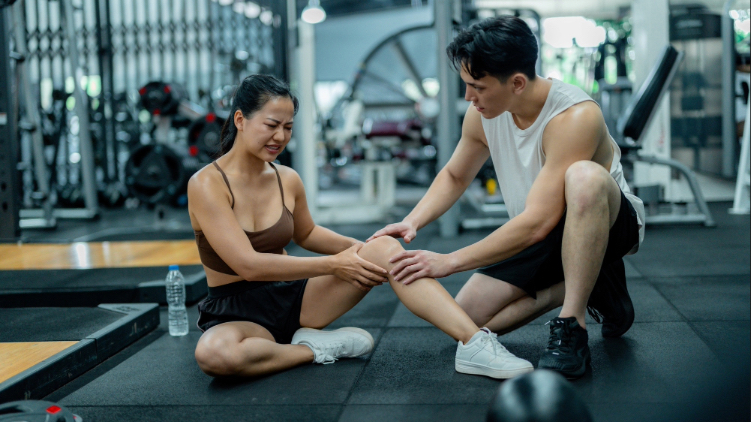
Knee pain can stem from various causes, each requiring a different approach to treatment and rehabilitation. One common source of knee pain is overuse, often seen in athletes or individuals engaged in repetitive activities. Overuse injuries, such as tendinitis or bursitis, develop when the knee is subjected to excessive stress without adequate recovery time. These conditions can lead to inflammation and pain, necessitating a break from high-impact activities and a focus on strengthening and stabilizing exercises like the Bulgarian split squat.
Another prevalent cause of knee pain is improper biomechanics or alignment issues. Poor posture, incorrect movement patterns, and muscle imbalances can all contribute to excessive wear and tear on the knee joint. For instance, weak hip muscles can force the knee to compensate, leading to misalignment and pain. Addressing these underlying issues through targeted exercises that promote muscle balance and proper form is crucial for long-term relief. The Bulgarian split squat, with its emphasis on unilateral strength and stability, is particularly effective in correcting these imbalances.
Injuries, such as ligament tears or meniscus damage, are also significant contributors to knee pain. These acute injuries often result from sudden impacts or twisting movements and require immediate medical attention. Post-injury rehabilitation focuses on restoring strength and stability to the knee. Incorporating exercises like the Bulgarian split squat can help rebuild muscle support around the knee, facilitating recovery and preventing future injuries. Understanding the cause of knee pain is essential for tailoring a rehabilitation plan that addresses the specific needs of the individual.
Unilateral training, which involves working one side of the body at a time, is a powerful method for reducing muscle imbalances and knee stress. Traditional bilateral exercises, such as squats or deadlifts, often mask asymmetries between the legs. These imbalances can lead to uneven load distribution and increased risk of injury. By focusing on one leg at a time, unilateral training highlights and corrects these discrepancies, promoting balanced muscle development and reducing strain on the knee joint.
The Bulgarian split squat is an exemplary unilateral exercise that effectively addresses these imbalances. When performing this move, each leg works independently, forcing the weaker side to match the strength and stability of the stronger side. This targeted approach not only enhances muscle symmetry but also improves coordination and balance, which are crucial for knee health. Over time, this leads to a more stable and resilient knee joint, capable of handling various activities without pain or discomfort.
Moreover, unilateral training like the Bulgarian split squat promotes greater neuromuscular activation. By challenging the body to maintain balance and control on a single leg, it engages the smaller stabilizing muscles that are often neglected in bilateral exercises. These stabilizers play a vital role in supporting the knee and preventing injury. Strengthening them through unilateral exercises ensures comprehensive muscle development and joint protection, making the Bulgarian split squat an invaluable tool in knee rehabilitation.
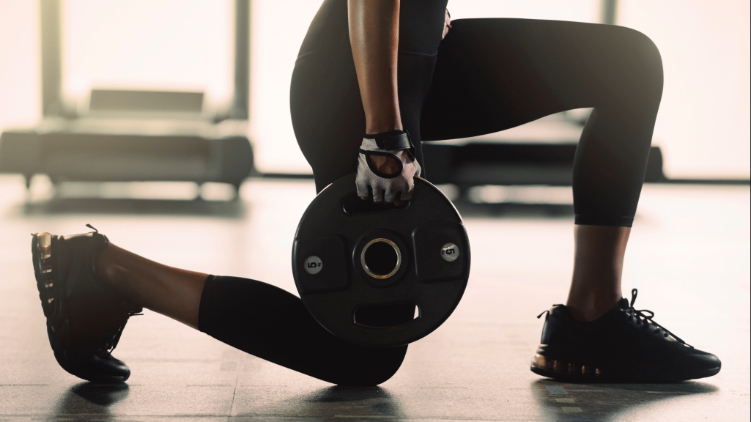
Rebuilding strength in the knee joint is a delicate process that requires controlled range of motion to ensure safety and effectiveness. The Bulgarian split squat is particularly beneficial in this regard, as it allows for precise control over the depth and intensity of the movement. By starting with a shallow squat and gradually increasing the range as strength and stability improve, individuals can rebuild muscle support around the knee without risking further injury.
Controlled range of motion is essential for targeting the appropriate muscles and avoiding undue stress on the knee joint. The Bulgarian split squat’s setup inherently promotes proper form, with the front knee tracking over the toes and the back leg providing support. This alignment ensures that the quadriceps, hamstrings, and glutes are engaged throughout the movement, facilitating balanced muscle development and reducing pressure on the knee. Regular practice with controlled range of motion helps reinforce these muscle patterns, leading to improved knee function and reduced pain.
Additionally, the Bulgarian split squat’s adaptability allows individuals to progress at their own pace. By adjusting the depth of the squat or incorporating weights, one can tailor the exercise to match their current capabilities and gradually increase the challenge. This progressive approach ensures that the knee is strengthened safely and effectively, making the Bulgarian split squat a cornerstone in any rehabilitation plan focused on rebuilding strength through controlled range of motion.
The Bulgarian split squat is renowned for its ability to target key muscle groups that are crucial for knee stability and overall leg strength. The primary muscles engaged during this exercise are the quadriceps, hamstrings, and glutes, each playing a significant role in supporting the knee joint and facilitating movement. Understanding how the Bulgarian split squat targets these muscles can help individuals maximize its benefits for knee health and rehabilitation.
The quadriceps, located at the front of the thigh, are heavily involved in the Bulgarian split squat. As you lower into the squat, the quads bear much of the load, controlling the movement and providing stability to the knee. Strong quadriceps are essential for knee function, as they help absorb impact and distribute forces evenly across the joint. The focused engagement of these muscles during the Bulgarian split squat promotes their development, leading to improved knee support and reduced pain.
Hamstrings, situated at the back of the thigh, also play a crucial role in the Bulgarian split squat. These muscles are responsible for extending the hip and flexing the knee, actions that are integral to the squat movement. By engaging the hamstrings, the Bulgarian split squat promotes balanced muscle development and enhances knee stability. Strong hamstrings help prevent hyperextension and protect the knee from injury, making their activation during this exercise particularly beneficial.
The glutes, comprising the muscles of the buttocks, are another key target of the Bulgarian split squat. These muscles are vital for hip stability and movement, which directly impact knee health. Engaging the glutes during the squat helps stabilize the pelvis and supports the knee joint during various activities. Strengthening the glutes through the Bulgarian split squat ensures comprehensive muscle development and contributes to overall leg stability and function.
Incorporating the Bulgarian split squat into your rehabilitation plan can be a game-changer for addressing knee pain and instability. This versatile exercise targets key muscle groups such as the quadriceps, hamstrings, and glutes, promoting balanced development and enhancing knee support. Its unilateral nature helps correct muscle imbalances, reducing strain on the knee joint and preventing injury. By focusing on controlled range of motion and proper foot positioning, the Bulgarian split squat ensures safe and effective strengthening of the muscles around the knee.
Furthermore, the adaptability of the Bulgarian split squat makes it suitable for individuals at various stages of rehabilitation. Whether you're recovering from an acute injury or dealing with chronic knee pain, this exercise can be tailored to match your current capabilities and progressively increase the challenge as your strength and stability improve. Regular practice of the Bulgarian split squat with proper form will lead to significant improvements in knee function and reduced pain, making it an invaluable tool in your rehab regimen.
Ultimately, the Bulgarian split squat offers a comprehensive approach to knee health that combines strength, stability, and coordination. By making this exercise a staple in your rehabilitation plan, you can effectively address knee issues and reclaim your mobility and strength. Whether you're an athlete aiming to bounce back from an injury or someone seeking relief from persistent knee pain, the Bulgarian split squat could be the key to overcoming your challenges and achieving long-term knee health.
Please fill in your details to start.
Hi there! 👋
I am Revolution Nutrition's customer support! How are you today?