Once the school routine lands, movement often gets squeezed into recess, gym class twice a week, and whatever energy is left after homework. The good news: a few intentional weeks before the first bell can build habits that carry the whole family through the school year.
Back-to-School Fitness: Getting Kids (and Parents) Moving Before the New Routine Hits
Once the school routine lands, movement often gets squeezed into recess, gym class twice a week, and whatever energy is left after homework. The good news: a few intentional weeks before the first bell can build habits that carry the whole family through the school year.
Summer's loose, sun-soaked schedule is winding down, and with it goes the easy, unstructured movement that fills a kid's day — bike rides that stretch into the evening, backyard games, pool afternoons, and the general freedom to run around without a bell dictating the next 45 minutes.
Why the Transition Window Matters
The two or three weeks before school starts are a natural reset point. Bodies and brains are shifting from summer's flexibility to a fixed schedule of wake times, sit-down learning, and less daylight for outdoor play. Kids who stay active during this window tend to have an easier time with:
Sleep regulation — physical activity earlier in the day helps reset circadian rhythms disrupted by summer's later nights.
Attention and mood — regular movement is linked to better focus and fewer behavioral dips, which matters a lot in week one of a new classroom.
Reduced back-to-school stress — exercise is a legitimate outlet for the nervousness that comes with new teachers, new classmates, or a new school.
And it's not just the kids. Parents' schedules flip too — summer camp drop-offs and flexible work-from-home days give way to earlier mornings, packed lunches, and after-school shuttling. Building movement into the family routine now, while there's still some slack in the calendar, makes it far more likely to survive the September crunch.
Start With the Morning Routine, Not a New Program
The biggest mistake families make is trying to launch an ambitious new fitness routine right as school starts — new sport, new gym membership, new everything, all in the same week as new teachers and new supply lists. Instead, use the pre-school weeks to rehearse the logistics of an active school-year morning:
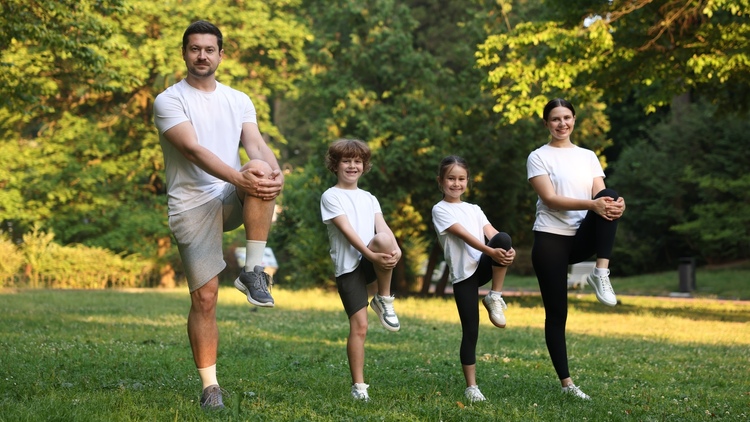
Practice the actual wake-up time. If the school morning requires a 6:45 a.m. alarm, start using it now, and build in 15–20 minutes of movement — a walk around the block, some stretching, jumping rope in the driveway — before breakfast.
Walk or bike the route to school. If it's walkable or bikeable, do a few practice runs before the first day. It kills two birds: kids get comfortable with the route, and everyone gets built-in daily activity once school starts.
Set a consistent bedtime now. Fitness and sleep are linked in both directions — active kids sleep better, and well-rested kids have more energy to move. Shifting bedtime gradually (10–15 minutes earlier every few days) beats a jarring switch on a Sunday night.
Family Activities That Double as Habit-Building
Movement doesn't have to mean formal exercise, especially for younger kids. The goal during this transition is frequency and fun, not intensity.
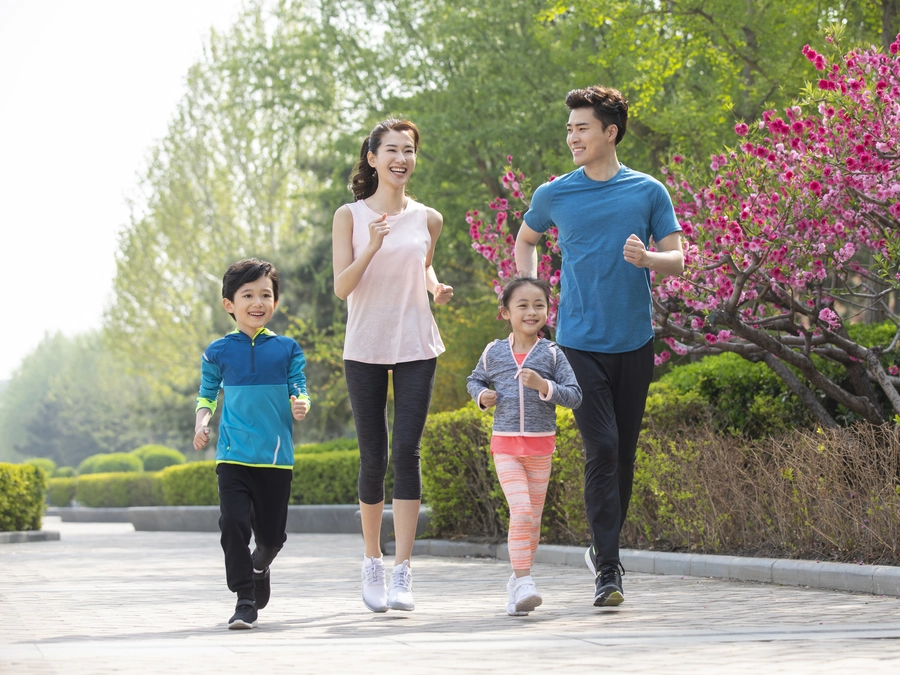
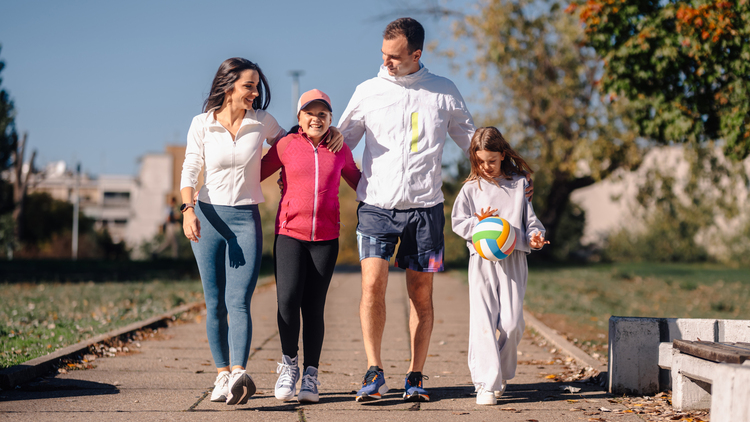
Evening family walks or bike rides. A 20-minute loop after dinner is an easy habit to start now and keep once homework enters the picture.
A weekend "trial run" of a fall sport or activity. If a child is considering soccer, dance, or swim team, a practice session or open gym before the season officially starts helps them walk into tryouts or the first practice with more confidence.
Active errands. Walking or biking to the store, the library, or a friend's house instead of driving turns routine tasks into movement.
Backyard or park challenges. Simple, low-stakes games — obstacle courses, relay races, a scavenger hunt — keep things playful while burning energy.
Don't Forget the Parents
It's easy for parents to default to "get the kids moving" and quietly let their own activity slide as school-prep logistics pile up. But kids notice — and mirror — what their parents do. A parent who takes the evening walk alongside the kids, or who bikes the school route on the first few days, reinforces the habit far more effectively than any lecture about screen time.
A few low-effort ways for parents to stay in the loop:
Combine movement with logistics. Walk while catching up on a phone call, or do the school-supply shopping trip on foot if distances allow.
Trade one summer workout for a family one. Swap a solo gym session for a bike ride or walk with the kids once or twice a week — it still counts, and it models activity as a normal part of life rather than a chore reserved for adults.
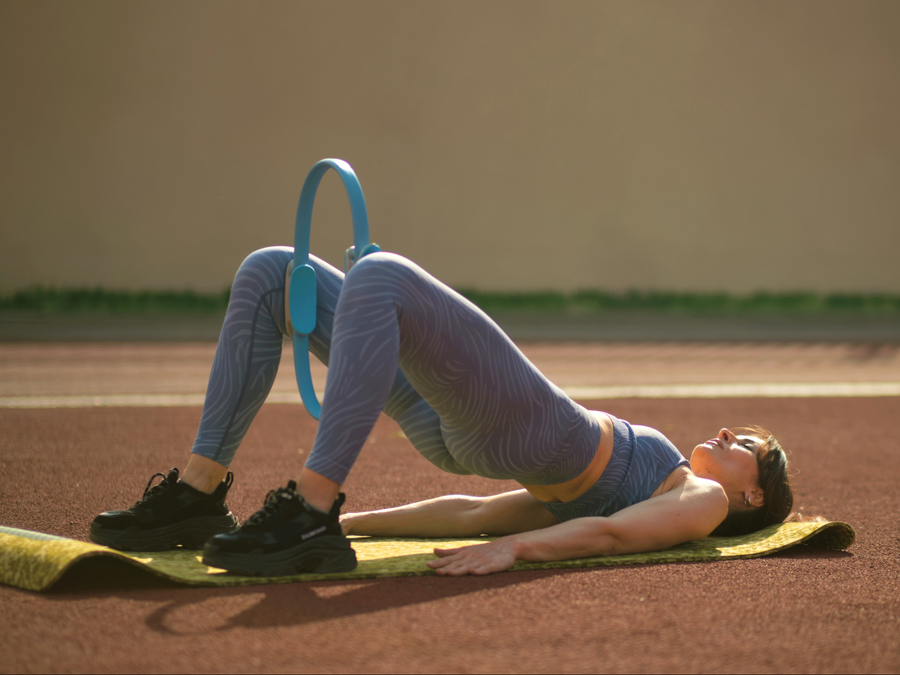
Protect a personal window, even a short one. A sustainable routine for parents (even 20 minutes) is more likely to survive September than an ambitious one that gets crowded out by lunch-packing and carpool lines.
A Simple Two-Week Ramp-Up
For families who want some structure without overcomplicating it, a loose plan for the two weeks before school starts might look like:
Week 1: Reintroduce the school wake-up time with 15 minutes of morning movement; add one family walk or bike ride in the evening.
Week 2: Practice the actual school commute on foot or bike a few times; try out one fall activity or sport if the child is interested; keep the evening walks going.
By the time the first bell rings, the family isn't just adjusting to new academic demands — they're stepping into a routine that already has movement built into it.
The Bigger Picture
Back-to-school season is a reset, not just for backpacks and lunchboxes but for how a family moves through its day. The habits built in these transition weeks — a morning walk before the bus, a family bike ride after dinner, a parent who laces up their own shoes alongside their kids — tend to be the ones that actually stick once homework, practices, and packed schedules take over. Starting small and starting early beats a big push once the year is already in full swing.