

Imagine starting your day with a surge of energy that sets a positive tone for everything that follows. Mornings can feel daunting, but with the right approach, you can transform your wake-up routine into an invigorating experience. In “Wake Up Strong: 7 Workout Moves for Energetic Mornings,” we’ll explore simple yet effective exercises that will help you shake off the sleepies and awaken your body. These moves don't just boost your energy levels; they rev up your metabolism, enhance your mood, and prepare your mind for whatever challenges lie ahead. Whether you have just five minutes or a full hour, there’s something for everyone to jump-start your day. Get ready to stretch, strengthen, and smile as you discover how energizing your mornings can be with just a few dedicated workout moves! Let’s dive in and embrace a more vibrant you, one morning at a time.

Starting your day with an energetic workout can do wonders for your overall well-being. One of the primary benefits is the immediate boost in energy levels. Physical activity stimulates the production of endorphins, the body's natural mood lifters, which can leave you feeling more awake and positive. This energy boost can help you tackle your daily tasks with greater enthusiasm and efficiency. Moreover, morning workouts can enhance cognitive function, improving your focus and productivity throughout the day.
Another significant benefit of morning exercise is its impact on your metabolism. Engaging in physical activity early in the day jump-starts your metabolism, helping your body burn more calories throughout the day. This can be particularly advantageous for those looking to manage their weight or improve their overall fitness levels. Additionally, consistent morning workouts can help regulate your appetite, making it easier to maintain healthy eating habits.
Lastly, incorporating a morning workout routine can improve your sleep quality. Regular exercise has been shown to regulate sleep patterns, helping you fall asleep faster and enjoy deeper, more restful sleep. As a result, you'll wake up feeling more refreshed and ready to take on the day. Overall, the benefits of waking up strong are numerous, making it a worthwhile addition to your daily routine.
Dynamic stretching is an excellent way to kickstart your morning workout routine. Unlike static stretching, which involves holding a stretch for an extended period, dynamic stretching consists of active movements that gently take your muscles and joints through their full range of motion. This type of stretching increases blood flow to your muscles, preparing them for the more intense exercises that will follow.
Begin with a few simple dynamic stretches to loosen up your body. Arm circles are a great place to start. Stand with your feet shoulder-width apart and extend your arms out to your sides. Make small circles with your arms, gradually increasing the size of the circles. This movement warms up your shoulder joints and gets your blood flowing. Next, try leg swings. Hold onto a stable surface for balance and swing one leg forward and backward, keeping your movements controlled and smooth. Repeat on the other leg to ensure both sides are equally warmed up.
Incorporating dynamic stretching into your morning routine can improve your overall flexibility and reduce the risk of injury. It also helps to wake up your body and mind, setting a positive tone for the rest of your workout. Spend about five minutes on dynamic stretching exercises, and you'll be ready to move on to more challenging activities.
Bodyweight squats are a fantastic full-body exercise that targets multiple muscle groups, including your quadriceps, hamstrings, glutes, and core. They are particularly effective for strengthening your lower body and improving your overall balance and stability. Additionally, squats can help increase your heart rate, making them an excellent choice for a morning workout.
To perform a bodyweight squat, start by standing with your feet shoulder-width apart and your toes pointing slightly outward. Engage your core and keep your chest lifted as you begin to lower your body by bending at the hips and knees. Imagine you are sitting back into a chair, keeping your weight in your heels. Lower yourself until your thighs are parallel to the ground, then drive through your heels to return to the starting position. Repeat this movement for a set of 10-15 repetitions.
Adding bodyweight squats to your morning routine can help build strength and endurance over time. As you become more comfortable with the movement, you can increase the number of repetitions or add variations, such as jump squats or sumo squats, to keep your workouts challenging and engaging. Remember to maintain proper form throughout each repetition to maximize the benefits and minimize the risk of injury.

Push-ups are a classic exercise that engages multiple muscle groups, including the chest, shoulders, triceps, and core. They are a versatile and effective way to build upper body strength and improve overall fitness. By incorporating push-ups into your morning routine, you can enhance your muscular endurance and start your day with a sense of accomplishment.
To perform a push-up, begin in a plank position with your hands placed slightly wider than shoulder-width apart and your body forming a straight line from head to heels. Engage your core and keep your neck in a neutral position. Lower your body by bending your elbows, keeping them close to your body as you descend. Lower yourself until your chest is just above the ground, then push through your palms to return to the starting position. Aim for 8-12 repetitions, adjusting the number based on your fitness level.
If traditional push-ups are too challenging, you can modify the exercise by performing them on your knees or against an elevated surface, such as a bench or countertop. As you build strength, gradually progress to standard push-ups. Incorporating push-ups into your morning workout will not only strengthen your upper body but also boost your confidence and set a positive tone for the rest of your day.
Planks are a highly effective exercise for strengthening your core muscles, including the abdominals, obliques, and lower back. A strong core is essential for maintaining good posture, preventing injuries, and improving overall athletic performance. By incorporating plank variations into your morning routine, you can target different muscle groups and keep your workouts interesting.
The standard forearm plank is a great place to start. Begin by lying face down on the ground, then lift your body onto your forearms and toes, keeping your elbows directly beneath your shoulders. Engage your core and maintain a straight line from your head to your heels. Hold this position for 30-60 seconds, focusing on maintaining proper form and breathing steadily. As you become more comfortable with the standard plank, you can try adding variations, such as side planks or plank leg lifts, to challenge your muscles in new ways.
Side planks are an excellent variation that targets the obliques and improves overall core stability. To perform a side plank, start by lying on your side with your elbow directly beneath your shoulder and your legs stacked on top of each other. Lift your hips off the ground, creating a straight line from your head to your feet. Hold this position for 30-60 seconds, then switch sides. Plank leg lifts, on the other hand, involve lifting one leg off the ground while holding the standard plank position, further challenging your core and lower body.
Jumping jacks are a classic cardiovascular exercise that can elevate your heart rate and boost your overall energy levels. This simple yet effective move engages multiple muscle groups, including your legs, core, and arms, making it an excellent addition to your morning workout routine. Jumping jacks are also a great way to improve your coordination and agility.
To perform jumping jacks, start by standing with your feet together and your arms at your sides. Jump your feet out to the sides while simultaneously raising your arms above your head. Quickly reverse the movement, bringing your feet back together and lowering your arms to the starting position. Repeat this movement for 30-60 seconds, maintaining a steady pace and focusing on proper form. As you become more comfortable with the exercise, you can increase the duration or intensity to further challenge yourself.
Incorporating jumping jacks into your morning routine can help you shake off any lingering grogginess and get your blood pumping. This high-energy exercise is a great way to warm up your body and prepare it for more intense activities. Additionally, the rhythmic nature of jumping jacks can improve your coordination and mental focus, setting a positive tone for the rest of your day.
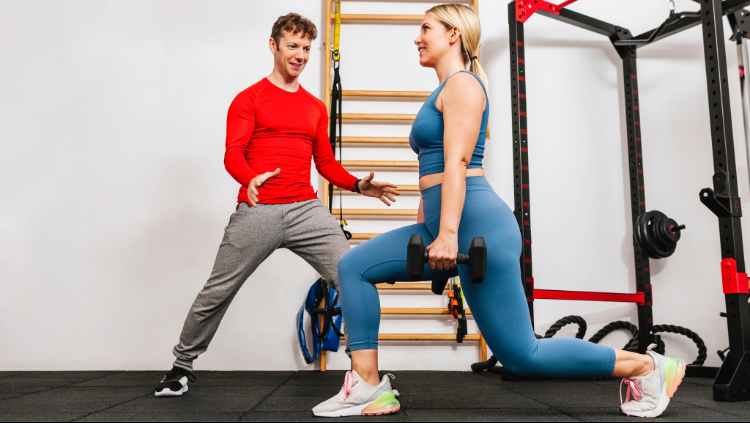
Lunges are a powerful lower-body exercise that targets the quadriceps, hamstrings, glutes, and calves. They also engage the core muscles, helping to improve balance and stability. By incorporating lunges into your morning workout routine, you can build strength and endurance in your legs while enhancing your overall functional fitness.
To perform a basic lunge, start by standing with your feet hip-width apart and your hands on your hips. Take a large step forward with one foot, lowering your body until both knees are bent at a 90-degree angle. Your front knee should be directly above your ankle, and your back knee should hover just above the ground. Push through your front heel to return to the starting position, then switch legs and repeat. Aim for 10-12 repetitions on each leg.
There are several variations of lunges that you can incorporate into your routine to target different muscle groups and keep your workouts engaging. For example, reverse lunges involve stepping backward instead of forward, which places more emphasis on the glutes and hamstrings. Walking lunges, on the other hand, involve taking continuous steps forward, adding an element of dynamic movement to the exercise. Incorporating these variations can help you build well-rounded lower-body strength and improve your overall fitness.
Cooling down and stretching are essential components of any workout routine, as they help your body transition from intense activity to a state of rest and recovery. Proper cool down and stretching techniques can reduce muscle soreness, improve flexibility, and prevent injuries. By dedicating a few minutes to these activities at the end of your morning workout, you can ensure that your body is well-prepared for the rest of the day.
Start your cool down with a few minutes of light aerobic activity, such as walking or gentle jogging. This helps gradually lower your heart rate and promotes blood flow to your muscles, aiding in the removal of metabolic waste products. After your heart rate has returned to its normal resting level, move on to static stretching exercises. These stretches involve holding a position for an extended period, allowing your muscles to relax and lengthen.
Focus on stretching the major muscle groups you worked during your workout. For example, if you performed a lot of lower-body exercises, be sure to stretch your quadriceps, hamstrings, glutes, and calves. Hold each stretch for 15-30 seconds, breathing deeply and avoiding any bouncing or jerking movements. Incorporating stretching techniques such as the cat-cow stretch or child's pose can also help release tension in your back and improve overall flexibility. By taking the time to cool down and stretch, you'll feel more relaxed and rejuvenated, ready to take on the day's challenges.
Incorporating a morning workout routine into your daily schedule can have a profound impact on your overall well-being. By starting your day with a burst of physical activity, you can boost your energy levels, improve your mood, and enhance your cognitive function. The seven workout moves outlined in this article offer a balanced approach to morning exercise, targeting different muscle groups and providing a mix of strength, flexibility, and cardiovascular benefits.
Making morning workouts a habit requires consistency and dedication. Start by setting realistic goals and gradually increasing the intensity and duration of your workouts. Find exercises that you enjoy and mix up your routine to keep things interesting. Remember that even a short workout can be beneficial, so don't be discouraged if you only have a few minutes to spare. The key is to make physical activity a regular part of your morning routine.
Lastly, listen to your body and give yourself time to adapt to your new routine. Pay attention to how your body responds to different exercises and adjust your workouts accordingly. Stay motivated by tracking your progress and celebrating your achievements, no matter how small. With time and persistence, you can transform your mornings and embrace a healthier, more energetic lifestyle. So, rise and shine, and get ready to wake up strong!
Please fill in your details to start.
Hi there! 👋
I am Revolution Nutrition's customer support! How are you today?