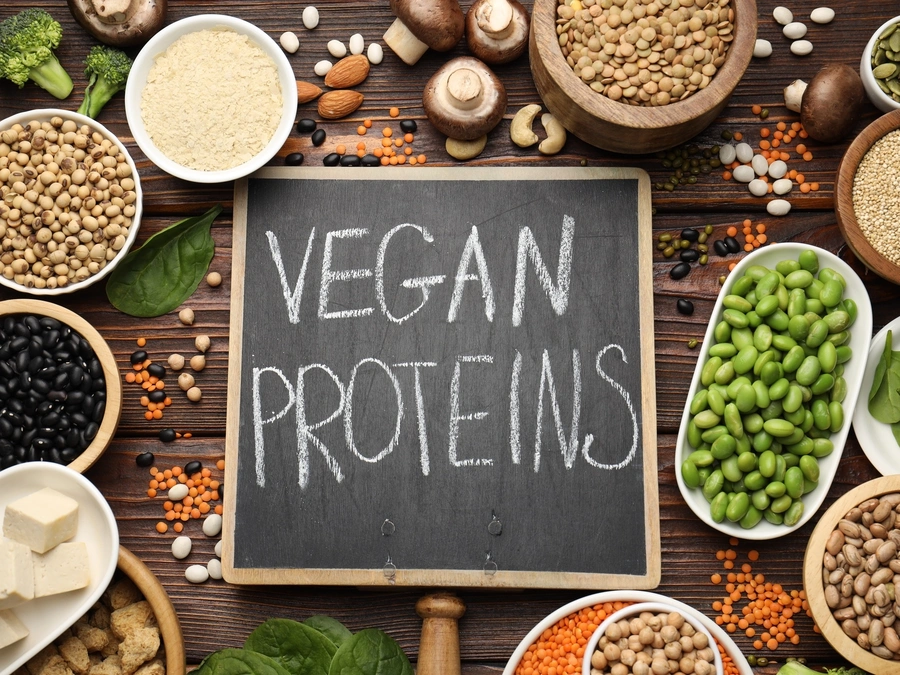
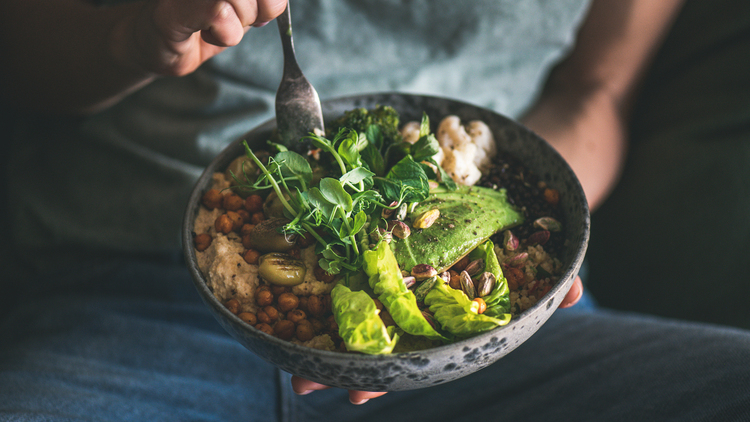
There is a wide variety of high protein vegetarian foods that can help you build muscle. Incorporating a diverse range of these foods into your diet ensures you get all the essential amino acids and nutrients your body needs. Here are some of the top high protein vegetarian foods to include in your muscle-building diet.
Legumes such as lentils, chickpeas, black beans, and soybeans are excellent sources of protein. They are also rich in fiber, vitamins, and minerals, making them a highly nutritious addition to any diet. Lentils, for example, provide around 18 grams of protein per cooked cup and are also high in iron, which is essential for energy production and muscle function.
Chickpeas, commonly used in dishes like hummus and falafel, offer about 15 grams of protein per cooked cup. They are also a good source of complex carbohydrates, which provide sustained energy for your workouts. Black beans, another versatile legume, provide around 15 grams of protein per cooked cup and are rich in antioxidants that help reduce inflammation and promote recovery.
Soybeans and their derivatives, such as tofu and tempeh, are particularly potent sources of plant-based protein. Edamame (young soybeans) provides about 17 grams of protein per cooked cup. Tofu and tempeh, which are more concentrated forms of soy, offer even higher protein content, with tempeh providing around 31 grams of protein per cooked cup. These foods are also rich in calcium and iron, which support bone health and muscle function.
For lacto-vegetarians and ovo-vegetarians, dairy products and eggs are fantastic sources of high-quality protein. Dairy products such as Greek yogurt, cottage cheese, and milk are not only rich in protein but also provide essential nutrients like calcium and vitamin D, which are crucial for bone health and muscle function.
Greek yogurt stands out as a particularly high-protein option, offering around 10 grams of protein per 100 grams. It is also rich in probiotics, which support gut health and enhance nutrient absorption. Cottage cheese is another excellent choice, containing approximately 28 grams of protein per cup. It is also a good source of casein, a slow-digesting protein that provides a steady release of amino acids to support muscle repair and growth during rest periods.
Eggs are often considered a perfect protein source due to their complete amino acid profile. One large egg contains about 6 grams of protein and is also rich in essential nutrients such as choline, which supports brain health. Egg whites, in particular, are an excellent low-calorie, high-protein option, providing around 3.6 grams of protein per large egg white.
Nuts and seeds are not only high in protein but also packed with healthy fats, fiber, vitamins, and minerals. They make for convenient and nutritious snacks that can easily be incorporated into a high protein vegetarian diet. Almonds, for example, provide about 6 grams of protein per ounce and are rich in vitamin E, which has antioxidant properties that support muscle recovery.
Chia seeds and flaxseeds are unique in that they are also excellent sources of omega-3 fatty acids, which have anti-inflammatory properties and support overall cardiovascular health. Chia seeds offer around 4 grams of protein per ounce and are also high in fiber, which aids in digestion. Flaxseeds provide about 6 grams of protein per 3 tablespoons and are a good source of lignans, which have antioxidant properties.
Pumpkin seeds and sunflower seeds are other great options, with pumpkin seeds offering around 7 grams of protein per ounce and sunflower seeds providing approximately 5.5 grams of protein per ounce. Both types of seeds are rich in magnesium, which is important for muscle relaxation and recovery.
Whole grains are an essential part of a balanced diet, providing a combination of protein, complex carbohydrates, fiber, and various vitamins and minerals. Quinoa, often referred to as a "supergrain," is a complete protein, meaning it contains all nine essential amino acids. One cup of cooked quinoa provides about 8 grams of protein and is also high in magnesium, iron, and fiber.
Other protein-rich whole grains include farro, barley, and bulgur. Farro offers around 6 grams of protein per cooked cup and is a good source of B vitamins, which are important for energy metabolism. Barley provides about 3.5 grams of protein per cooked cup and is rich in soluble fiber, which supports heart health. Bulgur, commonly used in dishes like tabbouleh, contains around 5.5 grams of protein per cooked cup and is also high in fiber and minerals.
Oats are another versatile whole grain that can be easily incorporated into a high protein vegetarian diet. One cup of cooked oats provides about 6 grams of protein and is also rich in beta-glucan, a type of soluble fiber that supports heart health and helps regulate blood sugar levels. Combining oats with other high protein ingredients like Greek yogurt, nuts, and seeds can create a nutrient-dense, protein-packed meal.
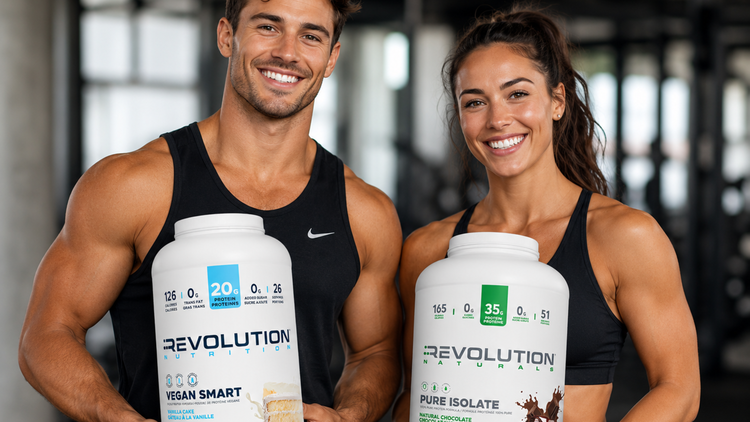
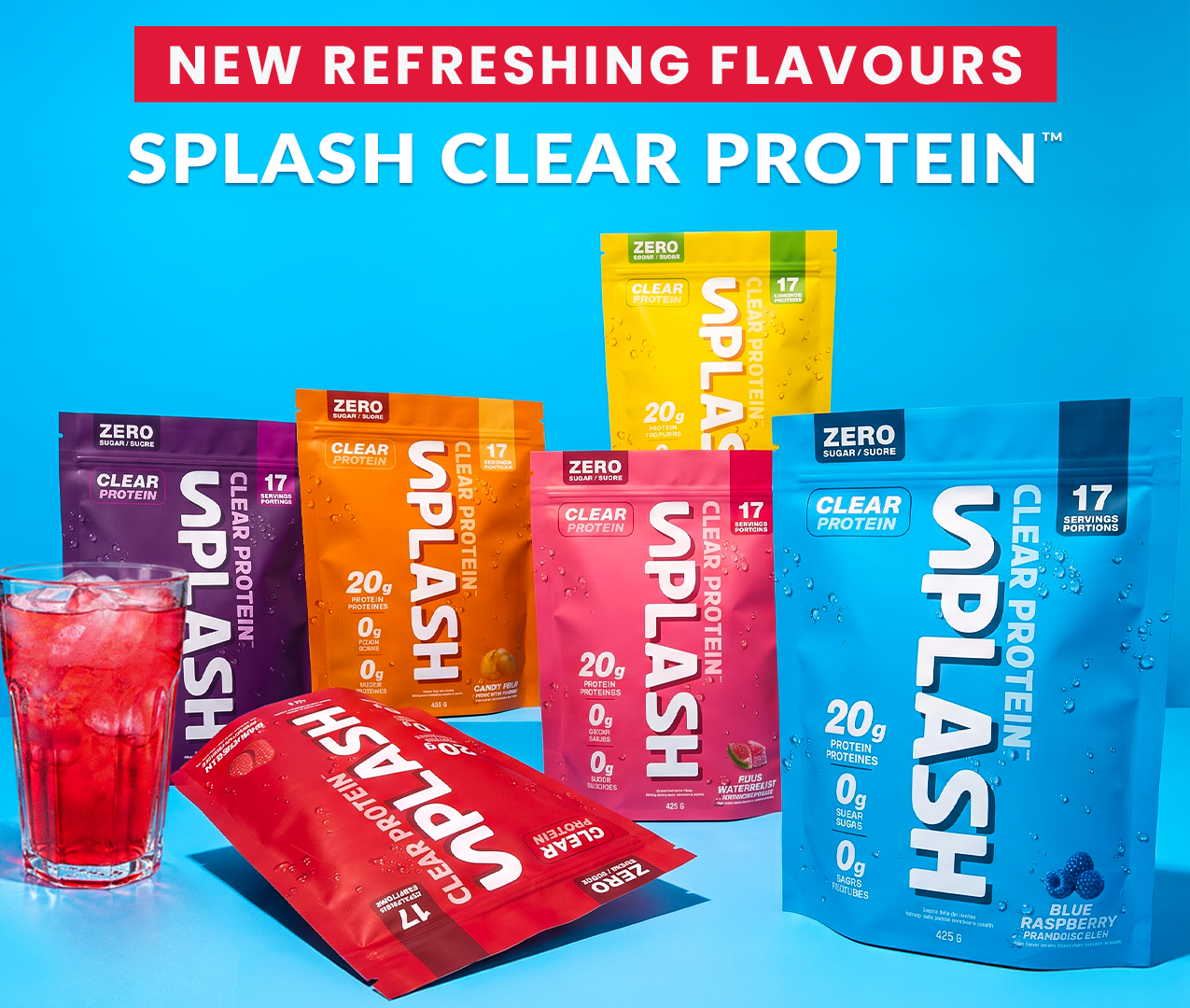
For those who find it challenging to meet their protein needs through whole foods alone, plant-based protein supplements can be a convenient and effective solution. These supplements come in various forms, including protein powders, bars, and ready-to-drink shakes. They are typically made from sources such as pea protein, rice protein, hemp protein, and soy protein.
Pea protein is a popular choice due to its high protein content and excellent amino acid profile. It is also easily digestible and hypoallergenic, making it suitable for individuals with food sensitivities. One scoop of pea protein powder typically provides around 20-25 grams of protein, making it an efficient way to boost your protein intake.
Rice protein, often combined with pea protein to create a complete amino acid profile, is another effective option. It is also hypoallergenic and easily digestible. Hemp protein, derived from hemp seeds, is rich in omega-3 and omega-6 fatty acids in addition to protein. Soy protein, made from defatted soybean flakes, offers a complete amino acid profile and is highly effective for muscle repair and growth.
When choosing a plant-based protein supplement, it's essential to consider the quality and purity of the product. Look for supplements that are free from artificial additives, sweeteners, and fillers. Additionally, ensure that the supplement is third-party tested for quality and safety. Incorporating these supplements into your diet can help you achieve your protein goals and support muscle gain.
Creating a high protein vegetarian meal plan can help ensure you meet your protein needs while enjoying a variety of delicious and nutritious foods. Here are some sample meal plans to get you started.
By incorporating these meal plans into your routine, you can ensure you're getting a diverse range of high protein vegetarian foods that support muscle gain and overall health.
Building muscle on a vegetarian diet is entirely achievable with the right approach. By understanding the importance of protein and incorporating a variety of high protein vegetarian foods into your diet, you can effectively support muscle growth and achieve your fitness goals. Legumes, dairy and eggs, nuts and seeds, whole grains, and plant-based protein supplements are all excellent options that provide the essential nutrients your body needs.
A high protein vegetarian diet not only supports muscle gain but also offers numerous health benefits, including improved digestion, better heart health, and reduced risk of chronic diseases. It is also a more sustainable and environmentally friendly choice. By following the sample meal plans and incorporating a diverse range of protein-rich foods, you can enjoy a nutritious and satisfying diet that supports your muscle-building journey.
Remember, consistency is key. Pairing your high protein vegetarian diet with regular strength training and adequate rest will help you achieve the best results. With dedication and the right nutrition, you can build strength and achieve your muscle gain goals on a vegetarian diet.
Please fill in your details to start.
Hi there! 👋
I am Revolution Nutrition's customer support! How are you today?