
Embarking on a journey towards healthier eating can feel overwhelming, especially with the deluge of information available today. But fear not! Our guide, "Healthy Eating Habit 101: Your Beginner-Friendly Roadmap," is here to simplify the process. Whether you're looking to lose weight, boost your energy, or simply cultivate a better relationship with food, this roadmap is designed just for you. We’ll break down the essentials of healthy eating into manageable steps, making it less daunting and more enjoyable. From understanding food groups and portion sizes to exploring easy meal prep ideas, you'll discover how small changes can lead to powerful results. Say goodbye to fads and hello to sustainable habits that fit into your lifestyle. Ready to transform your plate and energize your life? Let’s dive in and unlock the secrets of healthy eating together! Your path to vibrant health begins here.

Healthy eating habits are not just about maintaining a certain weight or fitting into a specific size; they are crucial for overall well-being and longevity. Such habits involve making informed food choices that provide your body with the essential nutrients it needs to function optimally. This means incorporating a variety of foods from different food groups to ensure a balanced intake of vitamins, minerals, protein, fiber, and healthy fats. By understanding the basics of healthy eating, you can create a foundation that supports your physical and mental health.
The importance of healthy eating habits cannot be overstated. A balanced diet helps in maintaining an ideal weight, reducing the risk of chronic diseases such as diabetes, heart disease, and cancer, and supporting mental health. It also plays a significant role in improving your immune system, which means fewer illnesses and quicker recovery times. Healthy eating isn't about stringent dietary limitations or depriving yourself of the foods you love. Rather, it's about feeling great, having more energy, improving your health, and stabilizing your mood.
Starting with the basics, focus on whole foods like fruits, vegetables, whole grains, and lean proteins. These foods are packed with nutrients that your body needs. Avoid processed foods as much as possible, as they often contain unhealthy fats, added sugars, and high levels of sodium. Instead, opt for fresh and natural options. By educating yourself on what constitutes healthy eating, you can make better choices that lead to lasting benefits for your body and mind.
One of the first steps in adopting healthy eating habits is to ensure your kitchen is stocked with nutritious options. This begins with a pantry overhaul, where you remove unhealthy items and replace them with healthier alternatives. Start by going through your pantry and getting rid of processed snacks, sugary cereals, and items high in trans fats. Replace them with whole foods such as nuts, seeds, whole grains, and dried fruits. Keeping healthy ingredients on hand will make it easier to prepare nutritious meals and snacks.
Having a well-organized pantry filled with healthy staples can make a significant difference in your eating habits. Stock up on whole grains like brown rice, quinoa, and oats, which are excellent sources of fiber and essential nutrients. Canned beans and legumes are also great to have on hand for quick and easy protein options. Keep a variety of herbs and spices to add flavor to your dishes without relying on salt. Don't forget healthy cooking oils like olive oil and coconut oil.
In addition to your pantry, make sure your fridge and freezer are also stocked with healthy choices. Fresh fruits and vegetables should be easily accessible, and lean proteins such as chicken, fish, and tofu should be readily available. Frozen vegetables and fruits are great for smoothies and cooking, especially when fresh produce isn't in season. By setting up your kitchen with these essentials, you'll be more inclined to prepare and eat healthy meals, making it easier to stick to your new eating habits.
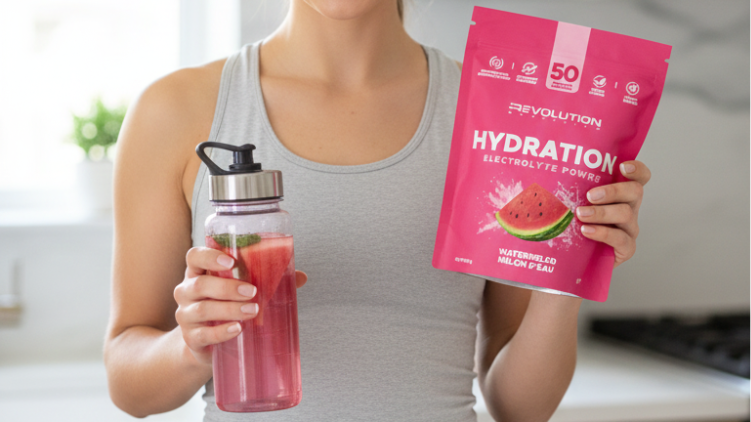
Staying hydrated is a fundamental aspect of healthy eating that is often overlooked. Water plays a crucial role in nearly every bodily function, from regulating temperature to aiding digestion and nutrient absorption. Despite its importance, many people do not drink enough water throughout the day. Developing hydration hacks can help you make water a central part of your daily routine and improve your overall health.
One effective hydration hack is to start your day with a glass of water. Drinking water first thing in the morning helps to kickstart your metabolism and flush out toxins that have accumulated overnight. You can also carry a reusable water bottle with you wherever you go. This serves as a constant reminder to drink water and makes it convenient to stay hydrated. Adding slices of fruit, such as lemon, lime, or cucumber, can enhance the flavor of your water, making it more enjoyable to drink.
Another tip is to set hydration goals and track your water intake. Using apps or a simple journal to keep track of how much water you drink each day can help you stay accountable. Aim for at least eight 8-ounce glasses of water a day, but adjust based on your activity level and climate. Remember, other beverages such as herbal teas and water-rich foods like fruits and vegetables also contribute to your hydration. Making water your best friend can lead to better skin, increased energy levels, and improved overall health.
The Plate Method is a straightforward and effective way to ensure balanced and nutritious meals. This method involves dividing your plate into sections to include a variety of food groups, making it easier to control portion sizes and ensure you're getting the right nutrients. By visually organizing your plate, you can create balanced meals without the need for complicated calculations or measurements.
To use the Plate Method, start by filling half of your plate with non-starchy vegetables. These include leafy greens, broccoli, carrots, bell peppers, and other colorful veggies. Vegetables are low in calories and high in fiber, vitamins, and minerals, making them an essential part of a healthy diet. Next, fill a quarter of your plate with lean protein sources such as chicken, fish, beans, or tofu. Protein is vital for muscle repair and growth, as well as keeping you feeling full and satisfied.
The final quarter of your plate should be dedicated to whole grains or starchy vegetables. Options like brown rice, quinoa, whole wheat pasta, sweet potatoes, and corn provide essential carbohydrates for energy. Don't forget to add a small serving of healthy fats, such as avocado, nuts, or olive oil, to round out your meal. By following the Plate Method, you can create balanced meals that support your health goals and make healthy eating more manageable.

Mindful eating is a practice that encourages you to pay full attention to the experience of eating and drinking, both inside and outside the body. It involves noticing the colors, smells, textures, flavors, temperatures, and even the sounds of your food. By slowing down and savoring each bite, you can develop a better relationship with food and recognize your body's hunger and fullness cues.
One of the key aspects of mindful eating is to eat slowly and without distractions. This means turning off the TV, putting away your phone, and focusing solely on your meal. Eating slowly allows your brain to catch up with your stomach, helping you to recognize when you are full and preventing overeating. It also enhances your enjoyment of food, as you take the time to appreciate each bite.
Listening to your body's cues is another crucial element of mindful eating. Before eating, ask yourself if you are truly hungry or if you are eating out of habit, boredom, or emotional reasons. Pay attention to how different foods make you feel and adjust your eating habits accordingly. By practicing mindful munching, you can develop a more positive and healthy relationship with food, leading to better digestion, satisfaction, and overall well-being.
The 80/20 rule is a flexible and sustainable approach to healthy eating that allows for balance and moderation. This rule suggests that you focus on eating nutritious, whole foods 80% of the time, while allowing yourself to indulge in your favorite treats or less healthy options 20% of the time. By following this guideline, you can maintain a healthy diet without feeling deprived or restricted.
The beauty of the 80/20 rule is that it promotes a healthy relationship with food by acknowledging that it's okay to enjoy treats in moderation. This approach can help prevent the feelings of guilt and shame that often accompany strict diets. Instead of viewing certain foods as "bad" or off-limits, you can enjoy them occasionally as part of a balanced diet. This can make it easier to stick to healthy eating habits in the long run.
To implement the 80/20 rule, focus on making nutritious choices most of the time. This means filling your diet with plenty of fruits, vegetables, whole grains, lean proteins, and healthy fats. When it comes to the 20%, allow yourself to enjoy your favorite indulgences, whether it's a piece of cake, a scoop of ice cream, or a slice of pizza. The key is moderation and mindful enjoyment. By finding balance with the 80/20 rule, you can create a sustainable and enjoyable way of eating that supports your overall health and well-being.
Meal prepping is a powerful tool for maintaining healthy eating habits and preventing unhealthy choices. By planning and preparing your meals in advance, you can ensure that you have nutritious options readily available, reducing the temptation to reach for convenient but unhealthy foods. Meal prepping can save you time, money, and stress, making it easier to stick to your health goals.
To get started with meal prepping, begin by planning your meals for the week. Create a menu that includes a variety of balanced meals, incorporating different food groups to ensure you're getting a range of nutrients. Make a shopping list based on your menu and stick to it when you go grocery shopping. This will help you avoid impulse purchases and ensure you have all the ingredients you need.
Once you have your ingredients, set aside a few hours each week to prepare your meals. Cook larger batches of grains, proteins, and vegetables that can be easily assembled into different meals throughout the week. Invest in quality storage containers to keep your prepped meals fresh and organized. By having healthy meals and snacks prepared and ready to go, you'll be less likely to resort to unhealthy options when you're short on time or energy. Meal prepping can be a game-changer in your journey towards healthier eating habits.

Reducing hidden sugars in your diet is a crucial step towards healthier eating. Many processed foods and beverages contain added sugars that can contribute to weight gain, increased risk of chronic diseases, and energy crashes. By identifying these hidden sugars and making smarter choices, you can significantly improve your overall health and well-being.
Start by reading food labels carefully. Ingredients like high fructose corn syrup, cane sugar, dextrose, and maltose are all forms of added sugars. Be mindful of products that list sugar or its derivatives among the first few ingredients, as this indicates a high sugar content. Foods like breakfast cereals, granola bars, flavored yogurts, and condiments often contain surprising amounts of added sugars.
To reduce your sugar intake, look for healthier alternatives. Swap sugary beverages like soda and energy drinks for water, herbal tea, or sparkling water with a splash of fruit juice. Choose whole fruits instead of fruit juices or sugary snacks. When baking, try using natural sweeteners like honey, maple syrup, or mashed bananas in place of refined sugar. By making these simple sugar swaps, you can enjoy delicious foods while keeping your sugar intake in check and supporting your overall health.
Your lifestyle, including sleep and stress levels, plays a significant role in your eating habits and overall health. Lack of sleep and high stress can lead to poor food choices, overeating, and weight gain. By addressing these factors, you can create a healthier and more balanced lifestyle that supports your nutrition goals.
Adequate sleep is essential for regulating hunger hormones such as ghrelin and leptin. When you're sleep-deprived, ghrelin levels increase, stimulating appetite, while leptin levels decrease, making it harder to feel full. This can lead to increased cravings for high-calorie, sugary foods. Aim for 7-9 hours of quality sleep each night to support your body's natural hunger cues and promote healthy eating habits.
Stress can also impact your eating habits by triggering emotional eating or cravings for comfort foods. When you're stressed, your body releases cortisol, a hormone that can increase appetite and lead to overeating. To manage stress, incorporate relaxation techniques such as deep breathing, meditation, yoga, or regular physical activity into your routine. By prioritizing sleep and managing stress, you can create a healthier environment that supports your nutrition goals and overall well-being.
Building sustainable healthy habits is a journey that requires patience and consistency. Small, incremental changes can lead to significant long-term benefits for your health and well-being. Instead of attempting drastic overhauls, focus on making one or two small changes at a time, allowing yourself to adapt and maintain these new habits over time.
Start by setting realistic and achievable goals. For example, if you want to eat more vegetables, aim to include a serving of vegetables in each meal rather than trying to overhaul your entire diet at once. Celebrate your progress and recognize that setbacks are a natural part of the journey. It's important to be kind to yourself and stay motivated by focusing on the positive changes you're making.
Consistency is key to building sustainable habits. Create a routine that incorporates your new habits into your daily life. Whether it's meal prepping on Sundays, drinking a glass of water every morning, or practicing mindful eating, these small steps can add up to significant improvements in your health over time. By taking a gradual and consistent approach, you can build healthy habits that last a lifetime and support your overall well-being.
Embarking on a journey towards healthier eating can seem daunting, but by breaking it down into manageable steps, you can create sustainable habits that improve your overall health and well-being. From understanding the basics of healthy eating to making small but impactful changes in your daily routine, each step you take brings you closer to your health goals. Remember, it's not about perfection, but progress. By focusing on balance, mindful eating, and consistency, you can develop a positive relationship with food and enjoy the benefits of a healthier lifestyle. Your path to vibrant health begins with the choices you make today. Let's unlock the secrets of healthy eating together and transform your plate, and your life, for the better.
Please fill in your details to start.
Hi there! 👋
I am Revolution Nutrition's customer support! How are you today?