

CrossFit is a high-intensity training program that combines elements of weightlifting, gymnastics, and cardiovascular exercise. The diverse and demanding nature of CrossFit workouts requires a high level of strength, power, and endurance. Creatine supplementation can provide several benefits that are particularly advantageous for CrossFit athletes, helping them to perform at their best during workouts and competitions.
One of the primary benefits of creatine for CrossFit athletes is its ability to enhance strength and power. The rapid regeneration of ATP facilitated by creatine allows athletes to lift heavier weights and perform more repetitions before reaching fatigue. This increased strength and power can translate to better performance in various CrossFit exercises, such as Olympic lifts, kettlebell swings, and bodyweight movements.
Creatine also supports improved endurance and work capacity. By increasing the availability of ATP, creatine helps sustain high-intensity efforts for longer periods. This can be particularly beneficial during longer CrossFit workouts or "WODs" (Workouts of the Day), where athletes are required to perform multiple rounds of exercises with minimal rest. Enhanced endurance allows CrossFit athletes to maintain a higher level of performance throughout the workout, leading to better results and improved fitness.
Strength is a fundamental component of CrossFit training, and creatine supplementation has been shown to significantly enhance strength gains. When creatine is stored in the muscles, it provides a readily available source of energy for high-intensity, short-duration activities such as lifting weights. This increased energy availability allows athletes to lift heavier loads and perform more repetitions, leading to greater strength gains over time.
Several studies have demonstrated the effectiveness of creatine in increasing muscle strength. For instance, research has shown that individuals who supplement with creatine experience greater improvements in their one-rep max (1RM) for exercises such as the bench press, squat, and deadlift compared to those who do not supplement. These strength gains are particularly beneficial for CrossFit athletes, as they can enhance performance in a variety of exercises and improve overall fitness.
In addition to its direct impact on strength, creatine also supports muscle hypertrophy, or muscle growth. The increased water content in muscle cells due to creatine supplementation creates a more anabolic environment, promoting protein synthesis and muscle repair. Over time, this can lead to increased muscle mass, which contributes to greater strength and power. For CrossFit athletes, the combination of enhanced strength and muscle growth can lead to better performance in both training and competition.
Workouts of the Day (WODs) are a central component of CrossFit training, and creatine supplementation has been shown to enhance performance in these demanding workouts. WODs often involve a combination of strength training, cardio, and functional movements performed at high intensity. The rapid regeneration of ATP provided by creatine can help athletes maintain a high level of performance throughout the workout, leading to better results and improved fitness.
Research has shown that creatine supplementation can improve performance in a variety of high-intensity, short-duration activities commonly included in WODs. For example, studies have found that creatine can enhance sprint performance, increase power output, and improve muscular endurance. These benefits can translate to better performance in exercises such as sprints, burpees, box jumps, and kettlebell swings, which are often included in CrossFit WODs.
In addition to its impact on performance, creatine has also been shown to support faster recovery between sets and workouts. The reduced muscle damage and inflammation associated with creatine supplementation can lead to less muscle soreness and quicker recovery times. This allows CrossFit athletes to train more frequently and with greater intensity, leading to better overall performance and progress in their fitness journey.
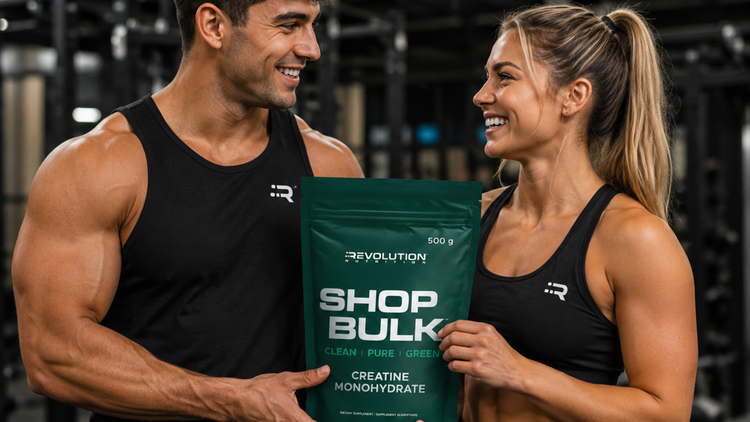
To maximize the benefits of creatine supplementation, it is important for CrossFit athletes to follow best practices for dosing and timing. The most common and researched form of creatine is creatine monohydrate, which has been shown to be safe and effective for enhancing performance. The typical dosing strategy involves a loading phase followed by a maintenance phase.
During the loading phase, athletes take a higher dose of creatine to quickly saturate their muscle stores. This phase typically involves taking 20 grams of creatine per day, divided into four 5-gram doses, for 5-7 days. After the loading phase, athletes transition to a maintenance dose of 3-5 grams per day to maintain elevated creatine levels in the muscles. This maintenance dose can be taken indefinitely to support ongoing performance and recovery benefits.
Timing of creatine supplementation can also impact its effectiveness. While creatine can be taken at any time of day, some research suggests that taking creatine post-workout may be particularly beneficial. Post-workout supplementation can enhance muscle recovery and support muscle growth by taking advantage of the increased blood flow and nutrient uptake that occurs after exercise. Mixing creatine with a carbohydrate-rich beverage can further enhance its absorption and effectiveness.
While creatine is one of the most effective and researched supplements for enhancing performance, there are alternative supplements that CrossFit athletes can consider. Beta-alanine is one such alternative that has been shown to improve performance in high-intensity activities. Beta-alanine works by increasing the levels of carnosine in the muscles, which helps buffer acid buildup during exercise. This can delay fatigue and improve endurance, making it beneficial for CrossFit workouts.
Another popular supplement for performance enhancement is branched-chain amino acids (BCAAs). BCAAs, which include leucine, isoleucine, and valine, play a critical role in muscle protein synthesis and can help reduce muscle soreness and support recovery. Supplementing with BCAAs before or during workouts can help maintain muscle mass and improve exercise performance, particularly during prolonged or intense training sessions.
Caffeine is another widely used performance-enhancing supplement that can benefit CrossFit athletes. Caffeine is a stimulant that can increase alertness, improve focus, and enhance physical performance. It has been shown to improve endurance, strength, and power output, making it a valuable addition to pre-workout routines. However, it is important to use caffeine responsibly and be mindful of individual tolerance levels to avoid potential side effects such as jitteriness or insomnia.
Creatine is one of the most researched and effective supplements for enhancing athletic performance, and its benefits are particularly relevant for CrossFit athletes. The ability of creatine to rapidly regenerate ATP provides a critical energy source for the high-intensity, short-duration activities that are central to CrossFit training. This can lead to improved strength, power, endurance, and overall performance in WODs and competitions.
In addition to its performance-enhancing effects, creatine also supports muscle recovery and growth, allowing athletes to train more frequently and with greater intensity. The combination of enhanced performance and improved recovery makes creatine a valuable supplement for CrossFit enthusiasts looking to maximize their training outcomes and achieve their fitness goals.
While creatine is generally safe for most individuals, it is important to follow best practices for dosing and timing to minimize potential side effects and ensure optimal results. CrossFit athletes should also consider their individual needs and consult with a healthcare professional if they have any concerns about creatine supplementation. Ultimately, for those looking to take their CrossFit performance to the next level, creatine is a worthwhile and effective supplement to consider.
Please fill in your details to start.
Hi there! 👋
I am Revolution Nutrition's customer support! How are you today?