Unlocking your fitness potential can be challenging, and common protein powder mistakes might be holding you back. Let’s explore how to avoid them and supercharge your progress!

Timing your protein intake strategically can significantly impact your fitness outcomes. Consuming protein powder at the right times can enhance muscle recovery, promote muscle growth, and improve overall performance. One of the most debated topics in the fitness community is the "anabolic window," a period post-exercise during which the body is primed for nutrient absorption and muscle repair.
Post-workout protein intake is often emphasized because, after intense exercise, muscles are in a catabolic state, meaning they are breaking down. Consuming protein within 30 minutes to an hour after a workout can shift the body into an anabolic state, promoting muscle protein synthesis and repair. Whey protein, with its rapid absorption, is particularly effective during this window.
However, pre-workout and bedtime protein intake are also important. Consuming protein before exercise can help fuel your workout and prevent muscle breakdown. Casein protein is ideal before bed due to its slow digestion, providing a steady supply of amino acids throughout the night, aiding in muscle recovery and growth. By aligning your protein powder consumption with your workout schedule, you can optimize muscle repair and growth.
While protein is essential for muscle growth and recovery, more is not always better. Overconsumption of protein can lead to several adverse effects that may impede your fitness progress. The body can only utilize a certain amount of protein at a time for muscle protein synthesis, with the excess being converted to energy or stored as fat.
Excessive protein intake can strain the kidneys, as they are responsible for filtering out the byproducts of protein metabolism. This can lead to dehydration and, in severe cases, kidney damage. Additionally, overconsumption of protein often means consuming fewer carbohydrates and fats, which are also crucial for overall health and energy levels. Carbohydrates are the body's primary energy source, and fats are essential for hormone production and nutrient absorption.
Digestive issues such as bloating, gas, and constipation can also arise from consuming too much protein, especially if it leads to an imbalanced diet. Ensuring that your protein intake is within recommended levels—typically 0.8 to 1.2 grams of protein per pound of body weight for active individuals—can help prevent these issues and support sustainable fitness progress.
Selecting the right protein powder can be overwhelming given the plethora of options available. Many fall into common pitfalls that can hinder their fitness progress, such as choosing a powder based solely on price, flavor, or marketing claims. It’s crucial to consider the nutritional content, ingredient quality, and how the protein powder aligns with your dietary needs and fitness goals.
One common mistake is not checking the ingredient list for additives, artificial sweeteners, and fillers. These substances can cause digestive issues and contribute to overall poor health. Opt for protein powders with minimal, high-quality ingredients and avoid those with unnecessary additives. Additionally, some protein powders contain high levels of sugar or unhealthy fats, which can counteract the benefits of the protein itself.
Another pitfall is overlooking the protein source. Not all protein powders are suitable for everyone. For instance, individuals with lactose intolerance should avoid whey concentrate and opt for whey isolate or plant-based proteins. Similarly, those with soy allergies should steer clear of soy protein. Also, consider the protein content per serving and the presence of essential amino acids, especially if you have specific muscle-building goals. By being mindful of these factors, you can choose a protein powder that best supports your fitness journey.

Relying solely on protein powder while neglecting overall nutrition can be detrimental to your fitness progress. Protein is just one macronutrient, and a balanced diet that includes carbohydrates, fats, vitamins, and minerals is essential for optimal health and performance. Each macronutrient plays a unique role in the body, and their synergy is crucial for achieving fitness goals.
Carbohydrates are the body’s primary source of energy, especially during high-intensity workouts. They replenish glycogen stores that are depleted during exercise, aiding in sustained energy and improved performance. Healthy fats, found in foods like avocados, nuts, and fish, are vital for hormone production, brain health, and nutrient absorption. Without adequate fats, the body’s ability to function optimally is compromised.
Micronutrients, including vitamins and minerals, support various bodily functions such as immune response, bone health, and muscle contraction. A diet rich in fruits, vegetables, whole grains, and lean proteins ensures that you receive a wide range of nutrients. Ignoring these aspects and focusing solely on protein powder can lead to nutrient deficiencies and hinder your fitness progress. A holistic approach to nutrition, where protein powder complements a well-rounded diet, is key to achieving sustainable and long-term fitness success.
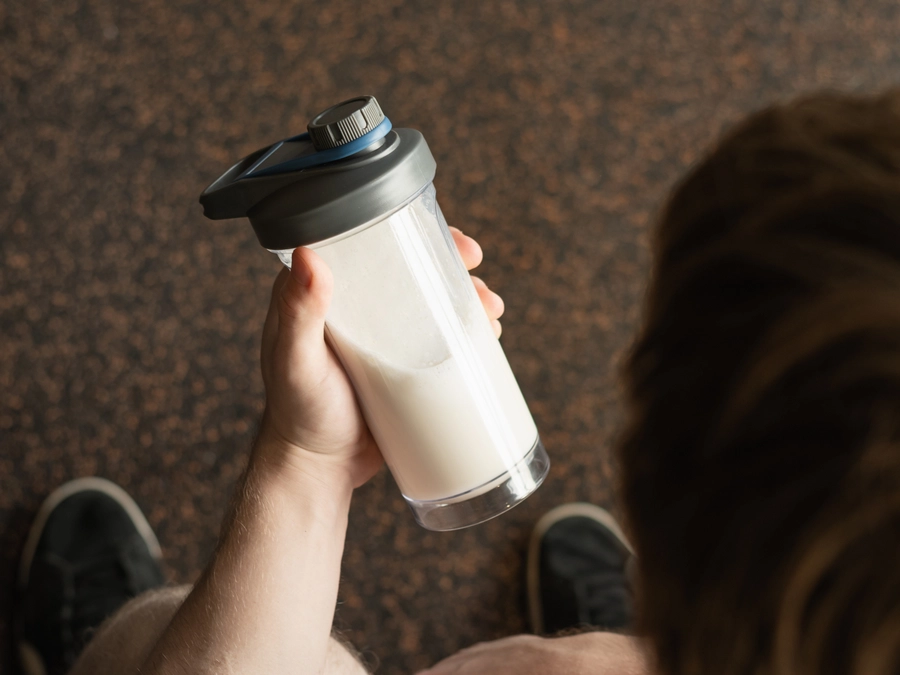
How you mix your protein powder can affect its efficacy and your overall experience. Incorrect mixing methods can lead to clumpy, unappetizing shakes that are difficult to consume and digest. Following best practices for mixing protein powder ensures a smooth, enjoyable, and nutritionally beneficial shake.
The liquid-to-powder ratio is critical. Using too little liquid can result in a thick, paste-like consistency, while too much liquid may dilute the flavor and nutritional content. A general guideline is to use one scoop of protein powder with 8-12 ounces of liquid. Experiment with the ratio to find what works best for you. Shaking the mixture vigorously in a shaker bottle or blending it in a blender can help achieve a smooth consistency.
The choice of liquid also matters. Water, milk, and plant-based milks are common options. Water is calorie-free and hydrating, making it a good choice for those watching their caloric intake. Milk adds creaminess and additional protein, while plant-based milks offer a dairy-free alternative with various flavors and nutritional profiles. Adding ingredients like fruits, vegetables, and nut butters can enhance the nutritional value and taste of your shake. By following these best practices, you can create a protein shake that is both enjoyable and effective in supporting your fitness goals.
In summary, protein powder can be a valuable tool in your fitness arsenal, but it’s essential to use it correctly to achieve the best results. Understanding the different types of protein powders and their benefits allows you to choose the one that best aligns with your dietary needs and fitness goals. Timing your protein intake strategically can enhance muscle recovery and growth, while avoiding overconsumption prevents potential health issues.
Choosing a high-quality protein powder and incorporating it into a balanced diet ensures that you receive a comprehensive range of nutrients necessary for optimal health and performance. Recognizing your individual protein needs and following best practices for mixing can enhance your experience and the effectiveness of your protein shakes. Avoiding an over-reliance on protein supplements and ensuring proper storage and attention to expiration dates further supports your fitness progress.
By being mindful of these common protein powder mistakes and taking a holistic approach to your nutrition, you can unlock your full fitness potential and achieve sustainable, long-term success. Incorporate these insights into your routine, and watch as your fitness progress accelerates, bringing you closer to your goals.
Please fill in your details to start.
Hi there! 👋
I am Revolution Nutrition's customer support! How are you today?