
You can't control your genes. But you have more say over your breast health than you've been told.
Every October, the world turns pink. Ribbons go up, buildings light up, and social feeds fill with reminders to "get checked." That message matters. But it leaves out a big part of the story.
Researchers estimate that a meaningful share of breast cancer cases are linked to factors we can actually influence: how much we move, what we drink, what lands on our plate, and how we sleep. None of these are guarantees. They are odds. And small daily choices, stacked over years, can tilt those odds in your favour.
Here are six science-backed habits worth starting this month, and keeping long after the pink fades.

Exercise is one of the most consistent protective factors in breast cancer research. Active women have a lower risk, and inactivity raises it. Exercise helps regulate hormones like estrogen and insulin, lowers inflammation, and makes it easier to keep a healthy weight.
The common target is at least 150 minutes of moderate activity a week, or 75 minutes of vigorous activity. That's just over 20 minutes a day.
The best workout is the one you'll actually keep doing.
No single "superfood" prevents breast cancer. What matters is the overall pattern you eat day after day. Diets rich in vegetables, fruit, whole grains, legumes and healthy fats are linked to better long-term health, and they make it easier to stay at a healthy weight.
Simple swaps that add up:
You don't need a perfect diet. You need a consistent one.
This is the one most people don't want to hear. Alcohol is a known carcinogen, and it's one of the clearest lifestyle links to breast cancer. Risk rises with every drink, and research shows that even about one drink a day is associated with a higher risk. Wine, beer or spirits: it makes no difference.
The good news? This is one of the easiest risks to lower.
The less you drink, the lower your risk.
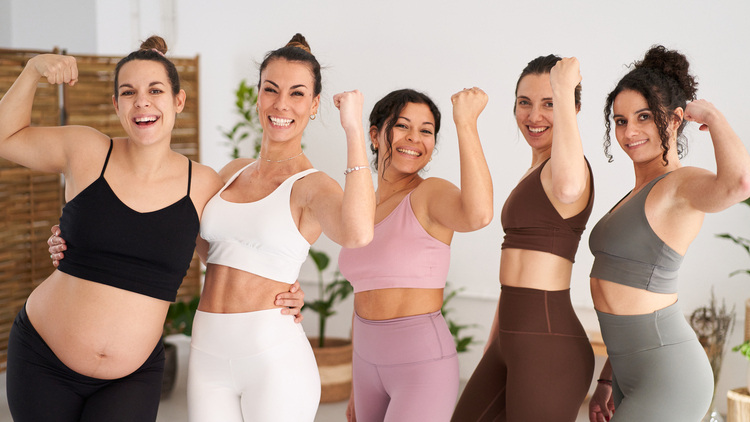
Here's a fact that surprises many people: body fat is not just stored energy. After menopause, fat tissue becomes a main source of estrogen in the body. That's one reason carrying excess weight, especially later in life, is linked to a higher breast cancer risk.
You don't need dramatic changes. Even modest, sustained weight loss can lower risk if you're above a healthy weight.
Think slow, steady and sustainable. Crash diets rarely last.
These three are often overlooked, but they all shape your long-term health.
Caring for your mind is caring for your body.
Healthy habits lower risk. They don't erase it. That's why early detection is the habit that ties everything together. About 1 in 8 women will be diagnosed with breast cancer in her lifetime, and cancers found early are far easier to treat.
The best time to start screening is the time that's right for you, so ask.
Breast Cancer Awareness Month is about more than wearing pink. It's a reminder that small choices, repeated daily, shape your health for decades. Move more, eat more plants and protein, drink less, sleep well, and keep up with your screenings.
Pick one habit from this list and start it this week. Then share this article with a woman you love.
This article is for general information only and is not medical advice. Talk to your doctor about your personal risk and screening plan.
Please fill in your details to start.
Hi there! 👋
I am Revolution Nutrition's customer support! How are you today?