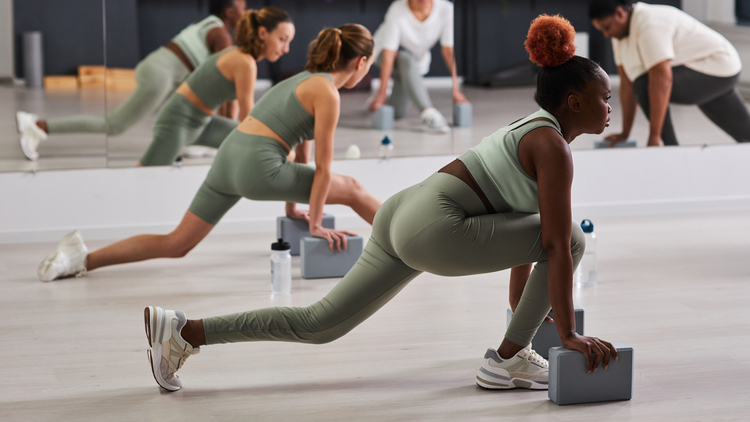
High-Intensity Interval Training (HIIT) has become a cornerstone of modern fitness routines, and for good reason. One of the primary benefits of HIIT is its efficiency. In a world where time is often a limiting factor, HIIT offers a time-efficient way to achieve a high-calorie burn, improve cardiovascular health, and build muscle strength. Unlike traditional steady-state cardio, which can take a considerable amount of time to complete, HIIT workouts can be done in as little as 20-30 minutes, making them ideal for busy schedules.
Another significant advantage of HIIT is its ability to boost metabolic rate. The intense bursts of activity followed by short rest periods create an afterburn effect known as excess post-exercise oxygen consumption (EPOC). This means that your body continues to burn calories at an elevated rate even after the workout has ended. In essence, you get more bang for your buck, making HIIT an incredibly efficient way to lose fat and maintain a healthy weight.
HIIT also offers a wide variety of exercises that can be tailored to fit individual fitness levels and goals. From beginners to advanced athletes, the adaptability of HIIT allows for continuous progression and varied routines, which helps in maintaining motivation and interest. Additionally, by engaging multiple muscle groups and incorporating both aerobic and anaerobic exercises, HIIT provides a comprehensive full-body workout that promotes overall functional fitness.
A proper warm-up is crucial before diving into a high-intensity workout. It not only prepares your muscles and joints for the upcoming activity but also reduces the risk of injury. Start with a few minutes of light cardio, such as jogging in place or jumping jacks, to get your blood flowing and increase your heart rate. This initial phase helps to elevate your body temperature and loosen up your muscles.
Following the light cardio, incorporate dynamic stretches that mimic the movements you’ll be performing in your HIIT workout. For instance, if your routine includes squats, lunges, or high knees, include dynamic stretches like leg swings, walking lunges, and hip circles. These exercises help to improve flexibility, increase range of motion, and activate the muscles you’ll be using during your workout.
Finally, consider adding some mobility exercises to your warm-up routine. These can include arm circles, shoulder shrugs, and neck rotations to ensure that your joints are adequately lubricated and ready for action. A comprehensive warm-up that includes cardio, dynamic stretches, and mobility exercises will not only enhance your performance during the HIIT session but also contribute to better overall workout outcomes.
Burpees are a staple in many HIIT routines due to their ability to work multiple muscle groups simultaneously. Begin in a standing position, drop into a squat, kick your feet back into a plank, perform a push-up, jump your feet back to your hands, and leap into the air. This full-body movement targets your legs, core, chest, and shoulders, providing a comprehensive workout in a single exercise.
Jump squats add a plyometric element to the traditional squat, increasing the intensity and calorie burn. Start with your feet shoulder-width apart, lower into a squat, and then explode upwards, jumping as high as you can. Land softly and immediately go into the next squat. This exercise not only builds leg strength but also improves cardiovascular endurance.
Mountain climbers are excellent for cardiovascular conditioning and core strength. Begin in a plank position, with your hands directly under your shoulders. Quickly alternate bringing your knees to your chest, as if you’re running in place. Maintain a strong core throughout to prevent your hips from sagging, ensuring you get the maximum benefit from this exercise.
High knees are another great cardiovascular exercise that also targets your lower body. Stand with your feet hip-width apart and run in place, bringing your knees up towards your chest as high as possible. Pump your arms as you move to increase the intensity and engage your upper body. This exercise helps to improve coordination, agility, and leg strength.
Push-ups are a classic bodyweight exercise that targets the chest, shoulders, triceps, and core. Start in a plank position with your hands slightly wider than shoulder-width apart. Lower your body until your chest nearly touches the floor, then push back up to the starting position. For an added challenge, try variations like diamond push-ups or decline push-ups.
Russian twists are effective for targeting the obliques and improving core strength. Sit on the floor with your knees bent and feet flat. Lean back slightly and lift your feet off the ground, balancing on your sit bones. Hold a weight or medicine ball with both hands, and twist your torso to the right, then to the left, tapping the weight on the floor beside you each time.
Plank jacks combine the benefits of a plank and jumping jacks, providing a full-body workout that emphasizes the core. Start in a plank position with your feet together. Jump your feet out to the sides, then back together, maintaining a strong core and stable upper body throughout the movement. This exercise helps to improve core stability and cardiovascular fitness.
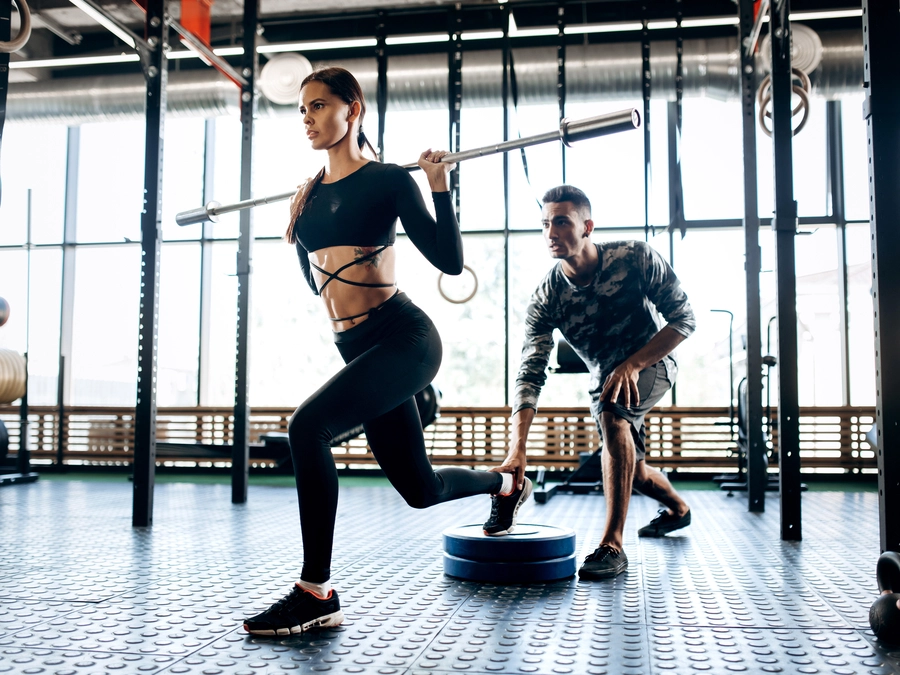
This combo move targets both the lower and upper body. Hold a pair of dumbbells at your sides and step forward into a lunge, lowering your back knee towards the floor. As you lunge, perform a bicep curl with both arms. Return to the starting position and repeat on the other side. This exercise works your legs, glutes, and arms, making it a great full-body move.
Bicycle crunches are a fantastic way to target the entire abdominal region. Lie on your back with your hands behind your head and legs lifted, knees bent at 90 degrees. Bring your right elbow towards your left knee while straightening your right leg, then switch sides, bringing your left elbow towards your right knee. Continue alternating in a pedaling motion.
Kettlebell swings are a powerful exercise that targets the posterior chain, including the glutes, hamstrings, and lower back. Stand with your feet shoulder-width apart, holding a kettlebell with both hands. Hinge at the hips and swing the kettlebell between your legs, then explosively drive your hips forward to swing the kettlebell up to chest height. Keep your core engaged and your back straight throughout the movement.
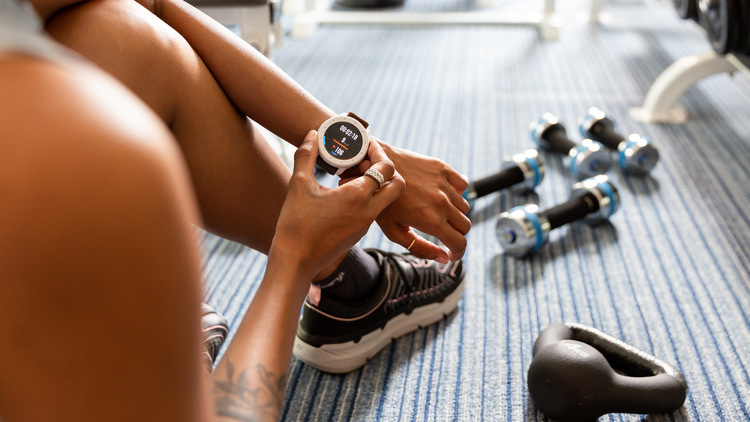
Designing an effective HIIT workout routine involves balancing intensity, variety, and recovery. Begin by selecting a mix of exercises that target different muscle groups and ensure a comprehensive full-body workout. For beginners, start with a 20-30 minute routine that includes 20 seconds of high-intensity exercise followed by 40 seconds of rest. As your fitness level improves, you can increase the work intervals and decrease the rest periods.
A well-rounded HIIT workout should include a combination of cardio, strength, and core exercises. For example, you could start with a round of burpees, followed by jump squats, mountain climbers, and push-ups. Incorporate movements like Russian twists and plank jacks to engage your core, and add exercises like lunges with bicep curls and kettlebell swings to target both the upper and lower body.
It’s also important to vary your routine regularly to prevent plateaus and keep your workouts interesting. Rotate through different exercises, change the order of movements, and experiment with different work-to-rest ratios. By continuously challenging your body in new ways, you’ll promote ongoing progress and maintain motivation.
To get the most out of your HIIT workouts, focus on maintaining proper form and technique. Performing exercises with correct alignment not only maximizes the effectiveness of each movement but also reduces the risk of injury. Take the time to learn and practice each exercise, and consider consulting a fitness professional if you’re unsure about your form.
Another key to maximizing your HIIT sessions is to push yourself to your limits during the high-intensity intervals. This doesn’t mean going all out to the point of exhaustion, but rather finding a challenging pace that you can sustain for the duration of the interval. The goal is to elevate your heart rate and work up a sweat, so don’t be afraid to push hard during the work periods.
Recovery is also essential for optimizing your HIIT workouts. Make sure to incorporate adequate rest between sessions, allowing your muscles time to repair and rebuild. This might mean taking a day off between intense workouts or incorporating active recovery activities like yoga or light stretching. Listening to your body and giving it the rest it needs will help you avoid burnout and continue making progress.
A proper cool-down is essential for promoting recovery and preventing injury after an intense HIIT session. Start with a few minutes of light cardio, such as walking or slow jogging, to gradually lower your heart rate. This helps to prevent blood pooling in your extremities and reduces the risk of dizziness or fainting.
Following the light cardio, incorporate static stretches to target the major muscle groups you worked during your workout. Hold each stretch for at least 30 seconds, focusing on deep, slow breaths to help relax your muscles and improve flexibility. Key areas to stretch include the hamstrings, quadriceps, calves, chest, shoulders, and back.
In addition to stretching, consider incorporating foam rolling into your cool-down routine. Foam rolling helps to release muscle tension, improve circulation, and promote faster recovery. Spend a few minutes rolling out any tight or sore areas, paying special attention to the muscles that worked the hardest during your HIIT session. Regular foam rolling can help to prevent muscle soreness and improve overall mobility.
High-Intensity Interval Training (HIIT) offers a dynamic and efficient approach to achieving a full-body workout. With its ability to burn calories, boost metabolism, and improve cardiovascular health, HIIT is a powerful tool for anyone looking to enhance their fitness routine. By incorporating a variety of exercises that target different muscle groups, you can create a comprehensive workout that challenges your body and keeps you motivated.
To maximize the benefits of HIIT, focus on proper form, push yourself during the high-intensity intervals, and allow adequate time for recovery. Avoid common mistakes like skipping the warm-up and cool-down, and listen to your body to prevent overtraining. With the right approach, HIIT can help you achieve your fitness goals and maintain a healthy, active lifestyle.
So why not give HIIT a try? With its time-efficient workouts and impressive results, it’s no wonder that HIIT has become a favorite among fitness enthusiasts. Embrace the challenge, push your limits, and enjoy the rewards of a stronger, healthier body. Whether you’re a beginner or an advanced athlete, HIIT offers endless possibilities for growth and improvement. Get ready to sweat, burn fat, and boost your endurance with these dynamic HIIT exercises for a full-body workout.
Please fill in your details to start.
Hi there! 👋
I am Revolution Nutrition's customer support! How are you today?