Welcome
It looks like you are in United States (US), would you like to visit our US site?

No, keep me on Revolution Nutrition Canada



Isolate protein is renowned for its high protein content and low levels of fats and carbohydrates. This makes it an excellent choice for individuals on a low-calorie diet aimed at weight loss. One of the primary benefits of isolate protein is its ability to support muscle retention while facilitating fat loss. When you reduce your calorie intake, your body may start to break down muscle tissue for energy. By consuming isolate protein, you provide your muscles with the necessary building blocks to prevent this catabolism.
Another significant advantage of isolate protein is its high bioavailability. This means that isolate protein is easily absorbed and utilized by the body, ensuring that you get the maximum benefit from each serving. This efficient absorption is crucial for individuals on a calorie-restricted diet, as it ensures that the protein consumed is effectively used for muscle maintenance and repair.
Isolate protein also helps to increase satiety, which can be a game-changer for those struggling with hunger while on a low-calorie diet. Protein is known to be more satiating than fats and carbohydrates, meaning it helps you feel full for longer periods. This can reduce the likelihood of overeating or snacking between meals, thereby supporting your overall weight loss efforts.
One of the biggest challenges during a cutting phase is maintaining muscle mass while losing fat. This is where isolate protein shines, thanks to its high protein content and rapid absorption rate. When you consume isolate protein, your body quickly receives the amino acids necessary for muscle repair and growth. This rapid delivery is crucial for preventing muscle breakdown, especially during periods of caloric deficit.
Isolate protein is rich in essential amino acids, particularly branched-chain amino acids (BCAAs) like leucine, isoleucine, and valine. Leucine is especially important for muscle protein synthesis, the process by which your body builds new muscle tissue. By providing a readily available source of these amino acids, isolate protein helps to stimulate muscle protein synthesis, even when overall calorie intake is reduced.
In addition to supporting muscle protein synthesis, isolate protein can also help to reduce muscle soreness and enhance recovery. After intense workouts, your muscles need adequate protein to repair and grow. Isolate protein provides a quick and efficient way to deliver these nutrients, helping you recover faster and maintain your workout intensity. This is essential for preserving muscle mass and achieving your cutting goals.
When it comes to protein supplements, there are several options available, including concentrate protein, casein protein, and plant-based protein. Each of these has its own set of benefits and drawbacks, making it important to understand how isolate protein compares to these alternatives.
Concentrate protein is a popular choice due to its cost-effectiveness and relatively high protein content. However, it also contains higher levels of fats and carbohydrates compared to isolate protein. This can be a drawback for individuals on a low-calorie diet, as the additional calories from fats and carbohydrates may impede weight loss efforts. Isolate protein, on the other hand, undergoes additional processing to remove most of the fats and carbohydrates, resulting in a purer protein source.
Casein protein is another option, known for its slow digestion rate. This makes it ideal for providing a steady release of amino acids over several hours, which can be beneficial for overnight muscle repair. However, the slow absorption rate means it may not be as effective as isolate protein for rapidly delivering amino acids post-workout. Isolate protein’s quick absorption makes it the superior choice for immediate muscle recovery and synthesis.
Plant-based proteins, such as pea or soy protein, are suitable for vegetarians and vegans. While they offer a good source of protein, they often contain lower levels of certain essential amino acids compared to whey isolate protein. Additionally, plant-based proteins may be less bioavailable, meaning your body might not absorb and utilize them as efficiently. For those looking to maximize their protein intake while minimizing calories, isolate protein remains the optimal choice.
Determining the right amount of isolate protein to consume daily depends on various factors, including your body weight, activity level, and specific fitness goals. A common recommendation for individuals looking to maintain or build muscle is to consume approximately 1.2 to 2.2 grams of protein per kilogram of body weight per day. For someone weighing 70 kilograms, this translates to between 84 and 154 grams of protein daily.
When planning your daily protein intake, it's essential to distribute it evenly across your meals to ensure a consistent supply of amino acids throughout the day. This can help optimize muscle protein synthesis and prevent muscle breakdown. For instance, if you aim to consume 120 grams of protein daily, you might split this into 30 grams of protein per meal over four meals.
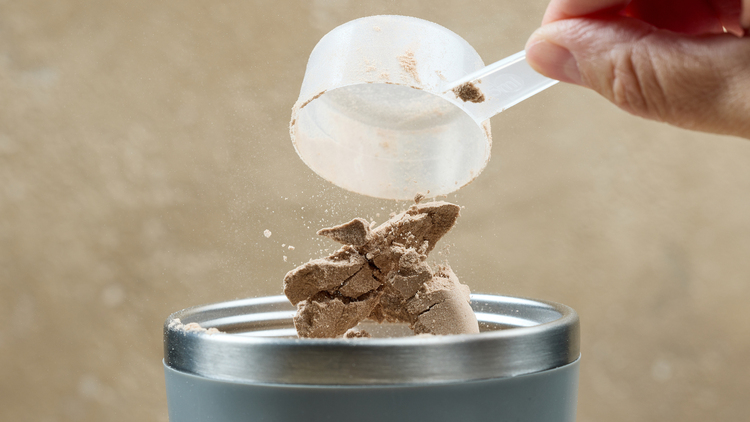
Incorporating isolate protein into your daily intake is straightforward and convenient. A typical serving of isolate protein powder contains around 20 to 25 grams of protein. By adding one or two servings to your daily routine, you can easily meet your protein goals without consuming excessive calories. This makes isolate protein an invaluable tool for anyone on a cutting diet.
Integrating isolate protein into your daily diet can be both simple and versatile. One of the easiest ways to include it is by making protein shakes. Mix a scoop of isolate protein powder with water, milk, or a plant-based milk alternative for a quick and nutritious beverage. You can also add fruits, vegetables, and other supplements to create a more balanced and flavorful shake.
Another effective method is to incorporate isolate protein into your meals. You can add protein powder to oatmeal, yogurt, or smoothies to boost their protein content. Additionally, isolate protein can be used in baking recipes, such as protein pancakes, muffins, or protein bars. This allows you to enjoy a variety of high-protein snacks and meals without feeling restricted.
Timing your protein intake can also enhance its effectiveness. Consuming isolate protein immediately after your workout can help to kickstart muscle recovery and growth. This is because your muscles are most receptive to nutrients during the post-exercise window. Additionally, having a protein-rich meal or shake before bedtime can provide a steady supply of amino acids overnight, aiding in muscle repair and preventing muscle breakdown.
Incorporating isolate protein into your cutting diet can significantly enhance your weight loss efforts while preserving muscle mass. Its high protein content, rapid absorption, and low levels of fats and carbohydrates make it an ideal choice for those on a low-calorie diet. By understanding the benefits, proper intake, and best practices for using isolate protein, you can optimize your nutrition and achieve your fitness goals.
Whether you're a seasoned athlete or just starting your fitness journey, isolate protein can be a valuable tool in your dietary arsenal. By selecting high-quality products and incorporating them into your meals and snacks, you can ensure that your body receives the necessary nutrients to support muscle retention and fat loss. Remember to stay mindful of potential side effects and consult with a healthcare professional if needed.
Ultimately, the key to success with isolate protein lies in consistency and balance. By maintaining a well-rounded diet and staying committed to your fitness routine, you can unlock your full potential and achieve the lean, toned physique you desire. Embrace the power of isolate protein and take your cutting diet to the next level.
Please fill in your details to start.
Hi there! 👋
I am Revolution Nutrition's customer support! How are you today?