
It's 6 a.m. The coffee is black, the stomach is empty, and the treadmill is calling. Millions of people swear by this ritual: skip breakfast, do your cardio, and your body has "no choice" but to torch stored fat.
It sounds logical. It feels hardcore. But does it actually make you leaner than doing the same workout after a meal? Science has tested it more than once, and the results might change how you plan your mornings.
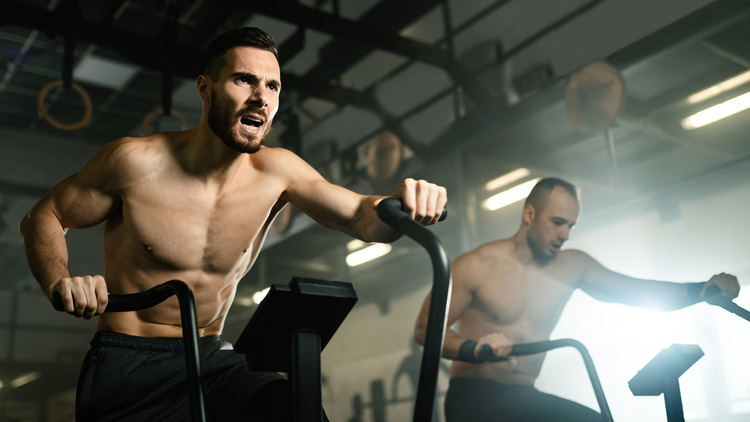
The logic is simple, and partly true. After an overnight fast (usually 8 to 12 hours without food), your body is in a different state:
Put those together and your body really does burn a higher share of fat while you exercise fasted. That part isn't a myth. The question is whether it matters.
When researchers compare fasted and fed cardio head to head over weeks, the fat-loss results come out essentially the same.
Study | What they tested | What they found |
| Schoenfeld et al., 2014 (JISSN) | 20 young women, 4 weeks, calorie deficit, 1 hour of cardio 3x/week fasted vs. after a shake | Both groups lost weight and fat. No meaningful difference between them. |
| Vieira et al., 2016 (British Journal of Nutrition), meta-analysis | Fat burned during fasted vs. fed aerobic exercise | Fasted exercise burned more fat during the session. |
| Hackett & Hagstrom, 2017 (J. Functional Morphology & Kinesiology), systematic review | Long-term body composition in fasted vs. fed training | No significant difference in weight or fat loss. |
| Aird et al., 2018 (Scand. J. Med. Sci. Sports), meta-analysis of 46 studies | Fat burning and performance, fasted vs. fed | More fat burned fasted, but eating first improved performance in longer sessions (60+ minutes). |
| Edinburgh et al., 2020 (J. Clin. Endocrinol. Metab.) | 6 weeks of cycling before vs. after breakfast in men with overweight or obesity | Similar weight change, but the fasted group improved insulin sensitivity and muscle fat-burning capacity. |
The pattern is clear: fasted cardio wins the workout, then ties the war.
Your body keeps a 24-hour fat budget, not a 45-minute one. Burn more fat in the morning, and your body tends to burn more carbs and less fat later in the day. Eat breakfast before training, and it shifts the other way. By bedtime, the totals usually even out.
That's why the one rule that never changes still wins: fat loss comes from a consistent calorie deficit over time. Meal timing is a detail on top of that.
There are two more trade-offs worth knowing:
One more surprise: some people eat more later in the day after fasted training, which quietly erases the deficit.
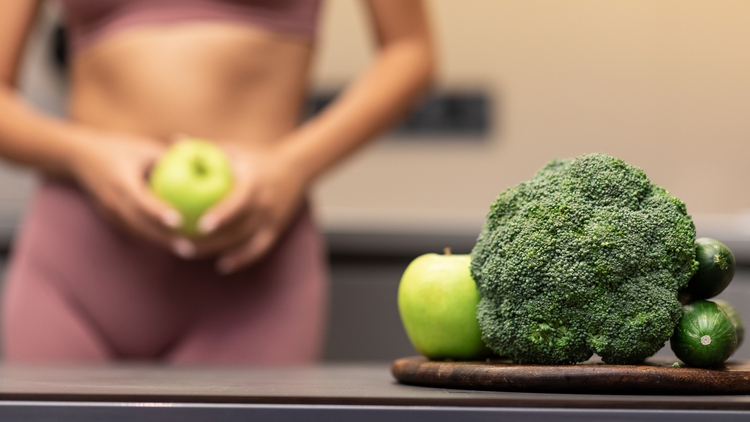
Fasted cardio isn't useless. It just isn't magic for the scale. Its real perks are elsewhere:
And that last point matters most. The best cardio for fat loss is the one you'll actually do, week after week.
Fasted cardio may suit you if… | Skip it (or eat first) if… |
| You train early and hate eating right before | You feel dizzy, shaky or nauseous on an empty stomach |
| Your sessions are low to moderate intensity, under about 60 minutes | You're doing HIIT, long runs or performance-focused training |
| You like the routine and it keeps you consistent | Your main goal is building muscle or strength |
| You want to support insulin sensitivity | You have diabetes, low blood pressure, are pregnant, or have a history of disordered eating (talk to your doctor first) |
Does fasted cardio work for fat loss? Yes, about as well as fed cardio. No, not better. It burns more fat during the session, but your body balances it out over the day. What actually moves the needle is a steady calorie deficit, enough protein, strength training, good sleep and consistency.
So if an empty-stomach morning walk makes you feel great and keeps you showing up, keep it. If it leaves you drained and starving, eat breakfast first. You're not missing out on anything.
Quick takeaways
This article is for general information and isn't medical advice. Check with a healthcare professional before changing your diet or exercise routine, especially if you have a health condition.
Please fill in your details to start.
Hi there! 👋
I am Revolution Nutrition's customer support! How are you today?