Welcome
It looks like you are in United States (US), would you like to visit our US site?

No, keep me on Revolution Nutrition Canada


Are protein powders the secret weapon for weight loss? In this article, we’ll explore how they work, their benefits, and whether they really aid in shedding those extra pounds.
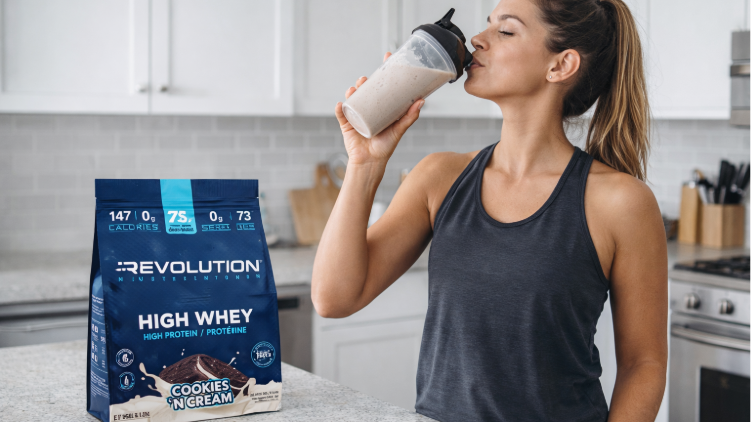
Protein powders have gained immense popularity in recent years, especially among fitness enthusiasts and those looking to lose weight. The primary reason behind this is their ability to support weight management effectively. One of the key ways protein powders aid in weight loss is by promoting satiety. When you consume protein, it takes longer for your body to digest compared to carbohydrates and fats. This prolonged digestion process helps you feel full for a longer period, reducing the likelihood of overeating and unnecessary snacking.
Moreover, protein powders can help in preserving lean muscle mass while you are on a calorie-restricted diet. During weight loss, it's common to lose not only fat but also muscle. However, maintaining muscle mass is crucial because muscles are metabolically active tissues that burn more calories at rest. By incorporating protein powders into your diet, you ensure that your body receives the necessary protein to prevent muscle breakdown, thereby supporting your weight loss goals more effectively.
Another significant aspect of protein powders in weight management is their role in boosting metabolism. The thermic effect of food (TEF) refers to the increase in metabolic rate after eating, and protein has the highest TEF compared to fats and carbohydrates. This means that your body burns more calories digesting protein than it does digesting fats or carbs. By consuming protein powders, you can take advantage of this thermogenic effect, leading to a higher overall calorie burn throughout the day.
Selecting the right protein powder can make a substantial difference in achieving your weight loss goals. With a plethora of options available on the market, it's essential to understand the differences between various types of protein powders and how they align with your specific needs. Whey protein, derived from milk, is one of the most popular choices due to its high biological value and rapid absorption rate. It's particularly beneficial for post-workout recovery when your muscles need immediate protein supply.
For those who are lactose intolerant or follow a vegan lifestyle, plant-based protein powders such as pea, rice, or hemp protein are excellent alternatives. While they may not have the same rapid absorption rate as whey, they still provide a complete amino acid profile necessary for muscle repair and growth. Additionally, plant-based proteins are often easier on the digestive system and can be a great option for individuals with dairy sensitivities.
Another factor to consider is the presence of additional ingredients in protein powders. Some products come fortified with vitamins, minerals, and other beneficial compounds like fiber or probiotics. These added ingredients can enhance the overall nutritional value of the protein powder, supporting not just weight loss but overall health. It's important to read the labels carefully and choose a product that aligns with your dietary preferences and goals.

Understanding the optimal dosage and timing for protein intake is crucial for maximizing the benefits of protein powders. The recommended dietary allowance (RDA) for protein is 0.8 grams per kilogram of body weight for the average adult. However, for those actively trying to lose weight or build muscle, the requirement can be higher, ranging from 1.2 to 2.2 grams per kilogram of body weight. It's important to distribute your protein intake evenly throughout the day to maintain a steady supply of amino acids for muscle repair and growth.
Timing also plays a significant role in how effectively your body utilizes protein. Consuming protein within 30 minutes to an hour after a workout can enhance muscle recovery and growth, as this is when your muscles are most receptive to nutrients. This post-workout window is often referred to as the "anabolic window," and taking protein during this time can help in maximizing the benefits of your exercise routine.
Additionally, incorporating protein into your meals and snacks can help in maintaining satiety and preventing hunger pangs. Starting your day with a protein-rich breakfast, such as a smoothie with protein powder, can set the tone for stable blood sugar levels and reduced cravings throughout the day. Similarly, having a protein shake or protein-rich snack in the afternoon can prevent overeating during dinner, further supporting your weight loss efforts.
Incorporating protein powders into your diet can be both simple and versatile, allowing you to enjoy a variety of delicious and nutritious options. One of the easiest ways to include protein powder is by adding it to your smoothies. You can blend it with fruits, vegetables, and a liquid of your choice, such as water, milk, or a plant-based milk alternative. This not only boosts the protein content of your smoothie but also enhances its overall nutritional profile with vitamins, minerals, and fiber.
Protein powders can also be used in baking and cooking to create protein-rich versions of your favorite recipes. For instance, you can add protein powder to pancake or waffle batter, muffins, and even homemade energy bars. This is an excellent way to increase your protein intake without relying solely on shakes and smoothies. The key is to experiment with different recipes and find what works best for your taste and dietary preferences.
Another convenient option is to mix protein powder with yogurt or oatmeal. This combination not only provides a balanced meal with carbohydrates, fats, and protein but also offers a satisfying and delicious way to start your day or enjoy a post-workout snack. By incorporating protein powders creatively into your diet, you can make your weight loss journey enjoyable and sustainable.
In conclusion, protein powders can be a valuable tool for weight loss when used correctly. Their ability to promote satiety, preserve lean muscle mass, and boost metabolism makes them an effective addition to a weight loss regimen. However, it's important to choose the right type of protein powder that aligns with your dietary preferences and goals, whether it's whey, plant-based, or another variety.
Understanding the recommended dosages and timing for protein intake is crucial for maximizing the benefits of protein powders. Distributing your protein intake evenly throughout the day, and consuming it post-workout, can enhance muscle recovery and growth. Additionally, incorporating protein powders into your diet creatively, through smoothies, baking, and other recipes, can make your weight loss journey both enjoyable and sustainable.
Ultimately, while protein powders are not a magic solution for weight loss, they can certainly support your efforts when combined with a balanced diet and regular exercise. By making informed choices and utilizing protein powders effectively, you can achieve your weight loss goals and improve your overall health and well-being.
Please fill in your details to start.
Hi there! 👋
I am Revolution Nutrition's customer support! How are you today?