Welcome
It looks like you are in United States (US), would you like to visit our US site?

No, keep me on Revolution Nutrition Canada


Ready to shed those extra pounds? Discover how cardio can turbocharge your weight loss journey with these effective fat-burning exercises—fast results await!
Not all cardio exercises are created equal when it comes to weight loss. Some are more effective at burning calories and fat than others. Identifying the right types of cardio that align with your fitness level and preferences can significantly impact your weight loss journey. Here are a few types of cardio exercises tailored for effective weight loss:

Running: Running is one of the most efficient ways to burn calories. Whether you prefer outdoor trails or a treadmill run, this high-impact exercise can torch a significant number of calories in a relatively short period. Incorporating sprints or intervals can further amplify the fat-burning effects.
Cycling: Another excellent cardio activity, cycling can be done outdoors or on a stationary bike. It's less impactful on the joints compared to running, making it a suitable option for individuals who need a low-impact exercise. High-intensity cycling sessions, such as spin classes, can be particularly effective for weight loss.
Swimming: Swimming engages multiple muscle groups simultaneously, providing a full-body workout. This low-impact exercise is ideal for those with joint issues or injuries. The resistance of water adds an extra challenge, enhancing the calorie-burning potential.
Jump Rope: Jumping rope is a highly effective cardio exercise that can be done virtually anywhere. It's excellent for improving coordination, agility, and cardiovascular endurance. A jump rope session can burn a significant amount of calories in a short time, making it perfect for those with busy schedules.
Dancing: Dancing isn’t just fun; it’s also a great way to burn calories. From Zumba classes to freestyle dancing at home, this enjoyable activity can elevate your heart rate and help you lose weight. The key is to keep moving and enjoy the rhythm.
By incorporating a variety of these cardio exercises into your routine, you can keep your workouts exciting and maintain your motivation. The diversity also ensures that different muscle groups are engaged, promoting balanced muscle development and reducing the risk of overuse injuries.
High-Intensity Interval Training, or HIIT, has gained immense popularity due to its efficiency and effectiveness in burning fat. HIIT involves alternating between short bursts of intense activity and periods of lower-intensity recovery or rest. This method of training can be applied to various cardio exercises, including running, cycling, and bodyweight exercises.
The primary advantage of HIIT is its ability to maximize calorie burn in a relatively short time. The intense bursts push your body to its limits, significantly increasing your heart rate and calorie expenditure. During the recovery periods, your heart rate remains elevated, allowing you to continue burning calories at a higher rate than during steady-state exercises.
Moreover, the afterburn effect, or EPOC, is particularly pronounced with HIIT workouts. After an intense HIIT session, your body continues to burn calories at an elevated rate for hours as it works to restore homeostasis. This prolonged calorie burn can substantially contribute to fat loss, making HIIT an extremely effective tool for weight management.
HIIT workouts are also versatile and can be tailored to suit different fitness levels. Beginners can start with shorter intervals and longer recovery periods, gradually increasing the intensity and duration as their fitness improves. The varied nature of HIIT workouts keeps them engaging and can prevent the monotony that often accompanies traditional cardio routines. The key to success with HIIT is consistency and progressively challenging yourself to improve your fitness level and achieve your weight loss goals.

While HIIT is excellent for rapid calorie burning, steady-state cardio remains a valuable component of a balanced fitness regimen. Steady-state cardio involves maintaining a consistent, moderate intensity for an extended period. Activities such as jogging, cycling, and swimming at a steady pace fall into this category. Steady-state cardio offers unique benefits that complement high-intensity training.
One of the main advantages of steady-state cardio is its sustainability. This type of exercise is generally less taxing on the body, making it easier to perform for longer durations. It’s particularly beneficial for beginners or those with joint issues who may find high-intensity workouts too strenuous. Steady-state cardio also allows you to build a solid aerobic base, improving your cardiovascular endurance over time.
Moreover, steady-state cardio is effective for burning fat, especially when performed in the fat-burning zone. This zone is typically 60-70% of your maximum heart rate, where your body efficiently utilizes fat as a primary energy source. While the calorie burn per minute may be lower than HIIT, the extended duration of steady-state sessions can result in significant overall calorie expenditure.
To maximize the benefits of steady-state cardio, it’s important to vary your workouts and avoid falling into a monotonous routine. Incorporating different activities, such as alternating between jogging and cycling, can keep your workouts engaging and prevent plateaus. Additionally, combining steady-state cardio with other forms of exercise, like strength training and HIIT, can create a well-rounded fitness plan that supports sustainable weight loss and overall health.
Creating an effective cardio workout plan requires thoughtful consideration of your fitness goals, current fitness level, and personal preferences. A well-structured plan can help you stay motivated, track your progress, and ensure you’re getting the most out of your workouts. Here’s a step-by-step guide to designing a cardio workout plan tailored to your needs:
Step 1: Set Clear Goals: Determine what you want to achieve with your cardio workouts. Are you aiming to lose weight, improve cardiovascular health, or boost endurance? Having clear, measurable goals will guide your workout plan and keep you focused.
Step 2: Assess Your Fitness Level: Be honest about your current fitness level. If you’re a beginner, start with low to moderate-intensity exercises and gradually increase the intensity as your fitness improves. More advanced individuals can incorporate higher intensity workouts like HIIT.
Step 3: Choose Your Activities: Select a variety of cardio exercises that you enjoy and can perform consistently. Mix different types of cardio, such as running, cycling, swimming, and HIIT, to keep your workouts diverse and engaging.
Step 4: Schedule Your Workouts: Determine how many days per week you can realistically commit to cardio. Aim for at least 150 minutes of moderate-intensity or 75 minutes of high-intensity cardio per week, as recommended by the American Heart Association. Spread your workouts throughout the week to allow for adequate recovery.
Step 5: Plan Your Sessions: Structure each workout session with a warm-up, main workout, and cool-down. For example, start with a 5-10 minute warm-up of light cardio and dynamic stretches, followed by your main workout (e.g., 30 minutes of running or a HIIT session), and finish with a 5-10 minute cool-down of stretching and deep breathing exercises.
Step 6: Track Your Progress: Keep a workout journal or use a fitness app to log your workouts, track your progress, and make necessary adjustments. Monitoring your progress can help you stay motivated and identify areas for improvement.
By following these steps, you can create a personalized cardio workout plan that aligns with your goals, fits your lifestyle, and supports your weight loss journey. Remember to listen to your body, adjust your plan as needed, and celebrate your achievements along the way.
While cardio is crucial for burning calories and shedding fat, combining it with strength training can yield even better results. Strength training, which involves exercises like weight lifting, resistance band workouts, and bodyweight exercises, helps build and maintain muscle mass. This combination of cardio and strength training creates a synergistic effect that enhances overall fitness and accelerates weight loss.
One of the primary benefits of strength training is its ability to increase muscle mass, which in turn boosts your resting metabolic rate. Muscle tissue is metabolically active, meaning it burns more calories at rest compared to fat tissue. By building muscle through strength training, you can elevate your metabolism, making it easier to achieve and maintain a calorie deficit.
Moreover, strength training enhances the effectiveness of your cardio workouts. Stronger muscles improve your performance in cardio exercises, allowing you to work out more intensely and for longer durations. This increased capacity leads to greater calorie expenditure and more significant fat loss over time.
To integrate strength training into your fitness routine, aim for at least two to three sessions per week, targeting all major muscle groups. You can alternate between cardio and strength training days or combine both in a single workout session. For example, start with a 20-minute cardio warm-up, followed by 30-40 minutes of strength training exercises. This balanced approach ensures you reap the benefits of both exercise modalities, promoting optimal weight loss and overall health.

While cardio workouts are a powerful tool for weight loss, proper nutrition is equally important in maximizing fat-burning and achieving your goals. Fueling your body with the right nutrients can enhance your performance, support recovery, and promote sustainable weight loss. Here are some nutrition tips to complement your cardio workouts:
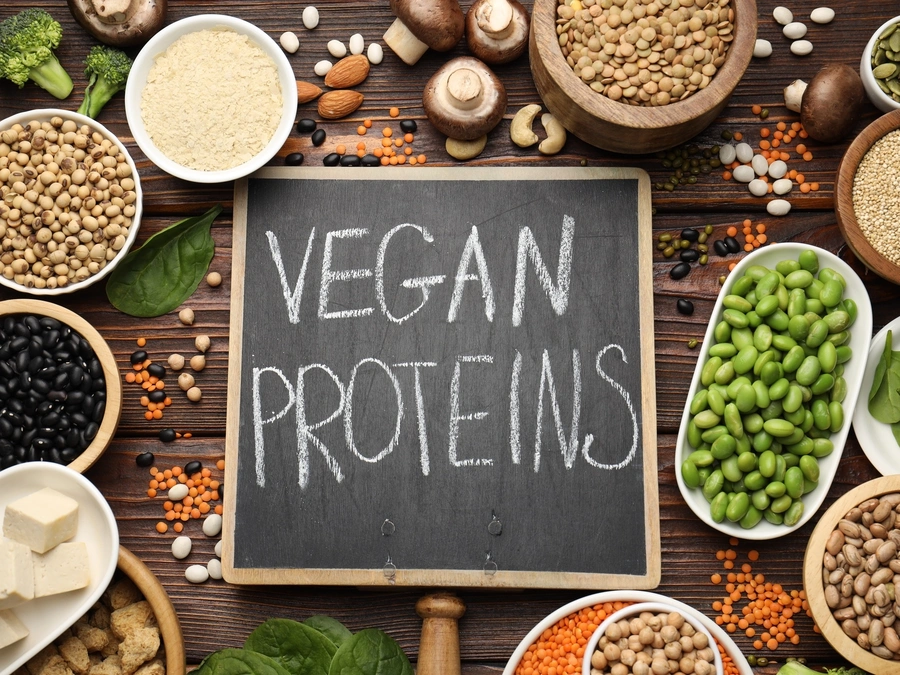
Tip 1: Prioritize Protein: Protein is essential for muscle repair and growth, especially after intense cardio sessions. It also helps keep you feeling full, reducing the likelihood of overeating. Include high-quality protein sources in your diet, such as lean meats, fish, eggs, dairy, legumes, and plant-based proteins like tofu and tempeh. Aim for a balanced intake of protein throughout the day to support muscle recovery and maintain a healthy metabolism.
Tip 2: Choose Complex Carbohydrates: Carbohydrates are the primary fuel source for cardio workouts. However, not all carbs are created equal. Opt for complex carbohydrates, such as whole grains, fruits, vegetables, and legumes, which provide sustained energy and are rich in fiber. These nutrient-dense carbs help stabilize blood sugar levels and prevent energy crashes during your workouts.
Tip 3: Healthy Fats: Incorporate healthy fats into your diet, such as avocados, nuts, seeds, and olive oil. Healthy fats are a valuable energy source and play a role in hormone regulation and overall health. They also help you feel satiated, reducing the temptation to snack on unhealthy foods.
Tip 4: Stay Hydrated: Hydration is crucial for optimal performance and recovery. Dehydration can impair your exercise capacity and lead to fatigue and muscle cramps. Aim to drink water throughout the day and pay attention to your body's hydration needs before, during, and after workouts. For longer or more intense cardio sessions, consider electrolyte-rich drinks to replenish lost minerals.
Tip 5: Timing Your Meals: The timing of your meals can impact your workout performance and recovery. Eating a balanced meal with protein, carbs, and fats 2-3 hours before your workout can provide the energy needed for an effective cardio session. If you need a quick energy boost closer to your workout, opt for a small, easily digestible snack like a banana or a piece of toast with nut butter. Post-workout, refuel with a combination of protein and carbs to support muscle recovery and replenish glycogen stores.
Tip 6: Avoid Processed Foods: Minimize the intake of processed foods, sugary snacks, and empty-calorie beverages that can sabotage your weight loss efforts. These foods can lead to energy crashes, cravings, and weight gain. Focus on whole, nutrient-dense foods that nourish your body and support your fitness goals.
By aligning your nutrition with your cardio workouts, you can enhance your fat-burning potential, improve your overall health, and achieve sustainable weight loss. Remember that consistency is key, and small, healthy changes to your diet can have a significant impact over time.
Embarking on a weight loss journey with cardio as a central component can yield fast and impressive results. However, sustainability is key to long-term success. To make cardio a lasting part of your routine, it’s essential to find activities you enjoy, set realistic goals, and maintain a balanced approach that includes rest and recovery.
Incorporating a variety of cardio exercises, from HIIT to steady-state workouts, can keep your routine exciting and prevent plateaus. By combining cardio with strength training, you can maximize your fat-burning potential and build a strong, healthy body. Additionally, avoiding common mistakes and prioritizing proper nutrition will further enhance your results and support your overall well-being.
Remember that weight loss is a gradual process, and consistency is more important than perfection. Celebrate your progress, no matter how small, and stay committed to your goals. By making cardio a sustainable part of your lifestyle, you can achieve lasting weight loss and enjoy the myriad health benefits that come with regular physical activity.
Your journey to a healthier, fitter you is within reach. Embrace the power of cardio, nourish your body with wholesome foods, and stay dedicated to your fitness goals. The results will follow, and you’ll find yourself not only losing weight but also gaining confidence, energy, and a renewed sense of well-being.
Please fill in your details to start.
Hi there! 👋
I am Revolution Nutrition's customer support! How are you today?