Welcome
It looks like you are in United States (US), would you like to visit our US site?

No, keep me on Revolution Nutrition Canada

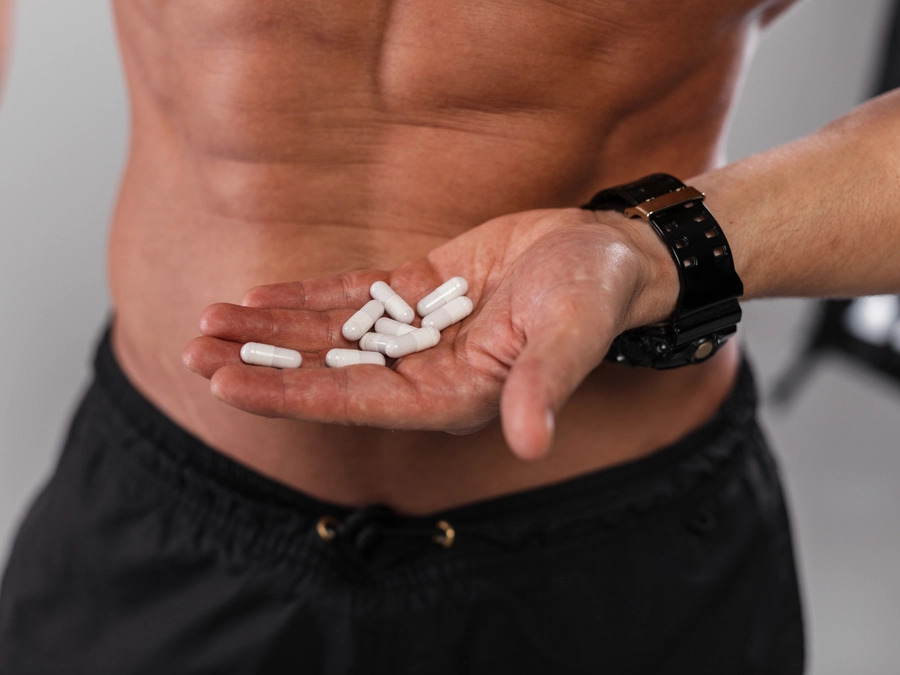
Curious about L-Carnitine for fat loss? Discover whether this popular supplement truly helps burn fat or if it's just another fitness myth.
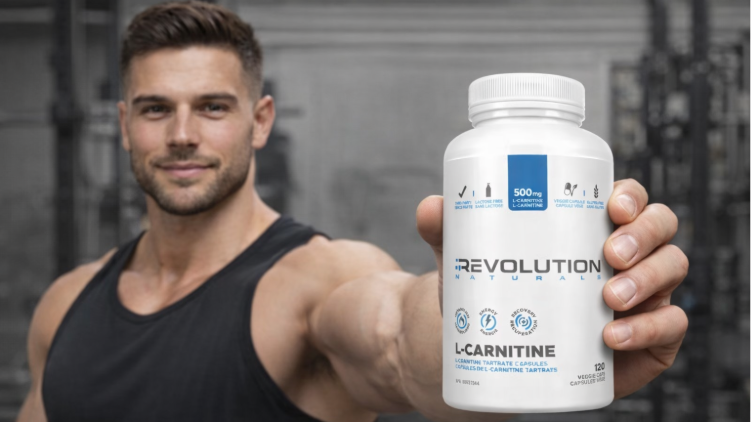
L-Carnitine is a naturally occurring amino acid derivative that plays a crucial role in the body's energy production processes. It is synthesized mainly in the liver and kidneys and stored in various tissues, including muscles, the brain, and the heart. This nutrient is pivotal for the transportation of long-chain fatty acids into the mitochondria, which are the powerhouses of cells, where they are oxidized and converted into energy. Without sufficient L-Carnitine, the body cannot efficiently utilize fat as a fuel source, which can impede fat metabolism.
In biochemical terms, L-Carnitine functions as a transporter molecule. It binds to fatty acids in the cytosol of cells and facilitates their entry into the mitochondria. Once inside the mitochondria, these fatty acids undergo β-oxidation, a metabolic process that breaks them down into acetyl-CoA. This molecule then enters the citric acid cycle (Krebs cycle) where it is further oxidized to produce ATP, the primary energy currency of the cell. Hence, L-Carnitine is essential for converting stored fat into usable energy, making it a key player in fat metabolism.
Moreover, L-Carnitine's role extends beyond just fat metabolism. It also helps in removing toxic compounds generated during the metabolic process out of the mitochondria. This detoxification function is crucial for maintaining mitochondrial health and ensuring optimal cellular function. By facilitating the removal of waste products and promoting efficient energy production, L-Carnitine supports overall metabolic health.
L-Carnitine's primary function in the body revolves around its ability to transport fatty acids into the mitochondria for energy production. This process begins when L-Carnitine binds to a long-chain fatty acid in the cytoplasm of the cell, forming a complex known as acyl-carnitine. This complex is then shuttled across the inner mitochondrial membrane by a specialized enzyme called carnitine palmitoyltransferase I (CPT1). Once inside, another enzyme, carnitine palmitoyltransferase II (CPT2), releases the fatty acid so it can undergo β-oxidation.
The efficiency of this transport mechanism is critical for maintaining energy levels, particularly during periods of fasting or intense physical activity when the body relies heavily on fat stores for fuel. By ensuring that fatty acids are readily available for oxidation, L-Carnitine helps sustain energy production and prevent fatigue. This is particularly important for endurance athletes and individuals engaged in prolonged physical exertion.
In addition to its role in energy production, L-Carnitine also has a significant impact on cardiovascular health. It helps reduce the accumulation of triglycerides in the blood, thereby lowering the risk of cardiovascular diseases such as atherosclerosis. Moreover, L-Carnitine has antioxidant properties, which help protect cells from oxidative stress and inflammation. By mitigating these harmful processes, L-Carnitine supports overall heart health and promotes longevity.
The potential benefits of L-Carnitine for weight loss stem primarily from its role in fat metabolism. By enhancing the transport of fatty acids into the mitochondria, L-Carnitine increases the rate at which fat is burned for energy. This can be particularly beneficial for individuals looking to reduce body fat and improve their body composition. Studies have shown that L-Carnitine supplementation can lead to a significant decrease in body fat percentage, especially when combined with a proper diet and exercise regimen.
Another notable benefit of L-Carnitine is its ability to boost energy levels. During periods of intense physical activity, the body’s demand for energy increases. By facilitating the efficient use of fat stores, L-Carnitine helps maintain steady energy levels, reducing the likelihood of fatigue. This can enhance athletic performance and endurance, allowing individuals to train harder and longer. Consequently, the increased physical activity further contributes to weight loss and improved fitness.
Moreover, L-Carnitine has been shown to support muscle recovery and reduce muscle soreness. Intense exercise can lead to microscopic damage in muscle fibers, resulting in inflammation and soreness. L-Carnitine's antioxidant properties help mitigate this inflammation, promoting faster recovery and reducing the downtime between workouts. This enables more consistent training, which is crucial for achieving long-term weight loss goals. Additionally, preserving lean muscle mass during weight loss is vital, as muscle tissue is metabolically active and helps maintain a higher resting metabolic rate.

To harness the benefits of L-Carnitine for fat loss, it is essential to follow appropriate dosage and usage guidelines. The recommended dosage of L-Carnitine can vary depending on individual needs and goals. For general health and maintenance, a daily dose of 500-2,000 mg is typically recommended. However, for fat loss and athletic performance, higher doses ranging from 2,000-4,000 mg per day may be more effective.
L-Carnitine supplementation is most effective when taken in divided doses throughout the day. This helps maintain steady blood levels and ensures a consistent supply of the nutrient for optimal fat metabolism. It is also advisable to take L-Carnitine with meals, as this can enhance its absorption and utilization in the body. Combining L-Carnitine with a balanced diet and regular exercise can further amplify its fat-burning effects.
It is important to note that individual responses to L-Carnitine supplementation can vary. Factors such as age, gender, and baseline levels of L-Carnitine in the body can influence its effectiveness. Therefore, it is recommended to start with a lower dose and gradually increase it based on individual tolerance and response. Consulting with a healthcare professional or a registered dietitian can provide personalized guidance and ensure safe and effective use of L-Carnitine for fat loss.
When it comes to fat loss supplements, L-Carnitine is often compared to other popular options such as caffeine, green tea extract, and conjugated linoleic acid (CLA). Each of these supplements has its unique mechanism of action and potential benefits for fat loss. Understanding the differences between them can help individuals make informed choices based on their specific needs and goals.
Caffeine is a well-known stimulant that can enhance fat burning by increasing metabolic rate and promoting the release of stored fat from adipose tissue. It also has appetite-suppressing effects, which can help reduce calorie intake. However, excessive caffeine consumption can lead to side effects such as jitteriness, insomnia, and increased heart rate. Unlike caffeine, L-Carnitine does not have stimulant properties, making it a suitable option for individuals who are sensitive to stimulants or prefer a non-stimulant fat loss supplement.
Green tea extract is another popular fat loss supplement that contains bioactive compounds called catechins. These catechins have been shown to enhance fat oxidation and boost metabolic rate, similar to L-Carnitine. Additionally, green tea extract has antioxidant properties that can support overall health. However, some individuals may experience gastrointestinal discomfort or allergic reactions to green tea extract. L-Carnitine, on the other hand, is generally well-tolerated and has a lower risk of adverse effects.
Conjugated linoleic acid (CLA) is a type of fatty acid that has been studied for its potential to reduce body fat and increase lean muscle mass. While CLA has shown promising results in some studies, its effects on fat loss are generally modest compared to L-Carnitine. Moreover, high doses of CLA may cause gastrointestinal issues such as diarrhea and abdominal pain. L-Carnitine, with its well-established role in fat metabolism, offers a more targeted and reliable approach to fat loss.
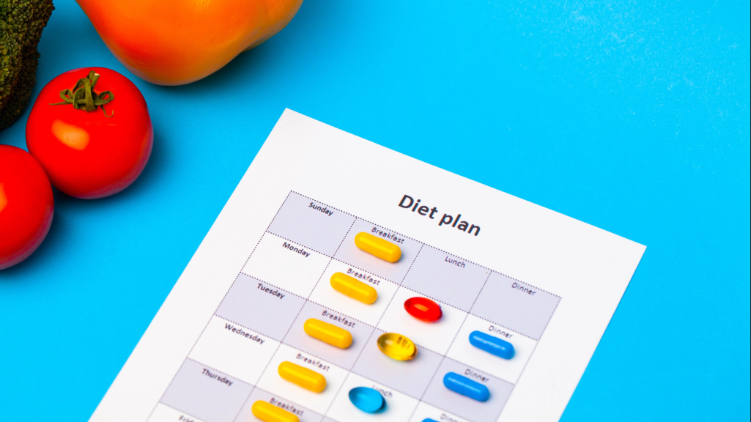
To maximize the benefits of L-Carnitine for fat loss, it is essential to incorporate it into a well-rounded diet and exercise routine. L-Carnitine can be obtained from both dietary sources and supplements. Foods rich in L-Carnitine include red meat, poultry, fish, and dairy products. However, for individuals who do not consume these foods regularly or have higher L-Carnitine needs, supplementation may be necessary.
When incorporating L-Carnitine into your diet, it is important to focus on overall nutritional balance. A diet rich in whole foods, lean proteins, healthy fats, and complex carbohydrates can support optimal fat metabolism and provide the necessary nutrients for overall health. Additionally, staying hydrated and consuming an adequate amount of fiber can aid in digestion and enhance the absorption of L-Carnitine.
In terms of exercise, combining L-Carnitine supplementation with both aerobic and resistance training can amplify its fat-burning effects. Aerobic exercises such as running, cycling, and swimming increase the body’s demand for energy and promote the utilization of fat stores. Resistance training, on the other hand, helps build lean muscle mass, which in turn boosts metabolism and enhances fat loss. A well-rounded exercise routine that includes both types of training can optimize the benefits of L-Carnitine for weight loss.
In conclusion, L-Carnitine is a valuable nutrient that plays a crucial role in fat metabolism and energy production. Its ability to transport fatty acids into the mitochondria for oxidation makes it an effective tool for enhancing fat loss and improving body composition. Research studies have demonstrated its potential benefits for weight loss, particularly when combined with a balanced diet and regular exercise.
While L-Carnitine is generally safe and well-tolerated, it is important to follow recommended dosage guidelines and be aware of potential side effects. Individuals with pre-existing medical conditions or those taking medications should consult with a healthcare professional before starting L-Carnitine supplementation. Additionally, incorporating L-Carnitine into a well-rounded diet and exercise routine can further amplify its fat-burning effects and support overall metabolic health.
Ultimately, whether L-Carnitine is worth it for fat loss depends on individual needs and goals. For those looking to enhance fat metabolism, boost energy levels, and improve body composition, L-Carnitine can be a valuable addition to their weight loss regimen. However, like any supplement, it should be used as part of a comprehensive approach that includes a healthy diet, regular exercise, and lifestyle modifications. By taking a holistic approach to weight loss, individuals can achieve sustainable results and improve their overall health and well-being.
Please fill in your details to start.
Hi there! 👋
I am Revolution Nutrition's customer support! How are you today?