Welcome
It looks like you are in United States (US), would you like to visit our US site?

No, keep me on Revolution Nutrition Canada


Unlock the secret to fat loss success! Discover how BCAAs can boost your results during a calorie deficit, helping you preserve muscle and increase energy.

BCAAs are metabolized differently compared to other amino acids. When ingested, they bypass the liver and are directly taken up by skeletal muscles. This unique metabolic pathway allows BCAAs to be readily available for muscle protein synthesis and energy production. Leucine, in particular, activates a key protein called mTOR, which stimulates muscle protein synthesis and helps build and repair muscle tissue.
In addition to their role in muscle protein synthesis, BCAAs also influence energy production. During intense exercise or periods of calorie restriction, your body may increase the oxidation of BCAAs to produce energy. This process helps sustain performance and reduce fatigue, allowing you to maintain a higher level of activity even when in a caloric deficit. Moreover, BCAAs can help regulate blood sugar levels by promoting glucose uptake into cells, providing a steady energy source.
Another critical aspect of BCAAs is their ability to reduce muscle protein breakdown. During a calorie deficit, the body tends to break down muscle tissue for energy, leading to muscle loss. BCAAs, particularly leucine, can inhibit this process by decreasing the activity of enzymes involved in muscle protein degradation. This dual role of promoting protein synthesis and reducing protein breakdown makes BCAAs a powerful tool for preserving muscle mass during weight loss.
One of the most significant challenges during a calorie deficit is preserving muscle mass while losing fat. Muscle preservation is vital not only for maintaining strength and performance but also for supporting a healthy metabolism. Muscle tissue is metabolically active, meaning it burns more calories at rest compared to fat tissue. Therefore, preserving muscle can help prevent the metabolic slowdown often associated with calorie restriction.
BCAAs play a crucial role in muscle preservation by promoting protein synthesis and inhibiting muscle protein breakdown. Leucine, in particular, is known for its potent anabolic effects. It activates the mTOR pathway, leading to increased muscle protein synthesis. This process helps repair and build new muscle tissue, counteracting the muscle-wasting effects of a calorie deficit.
In addition to their anabolic properties, BCAAs also have anti-catabolic effects. They can reduce the activity of catabolic enzymes that break down muscle proteins. By decreasing muscle protein breakdown, BCAAs help preserve muscle mass, even when calorie intake is reduced. This dual action of promoting muscle protein synthesis and reducing muscle protein breakdown makes BCAAs an essential component of any fat loss strategy, particularly during a calorie deficit.
The benefits of BCAAs during a calorie deficit extend beyond muscle preservation. One of the key advantages is their ability to enhance exercise performance and reduce fatigue. During a calorie deficit, your body may have less readily available energy, leading to increased feelings of fatigue and decreased exercise performance. BCAAs can help counteract this by providing an additional energy source and reducing the production of fatigue-inducing metabolites like serotonin.
Another significant benefit of BCAAs is their ability to support fat loss. Research has shown that BCAAs can enhance fat oxidation, helping your body burn more fat for energy. This effect is particularly pronounced during exercise, where BCAAs can increase the rate of fat metabolism. Additionally, BCAAs can help preserve lean body mass, which is crucial for maintaining a healthy metabolism and preventing weight regain after dieting.
BCAAs also positively impact recovery and reduce muscle soreness. Intense exercise, particularly during a calorie deficit, can lead to increased muscle damage and delayed onset muscle soreness (DOMS). BCAAs can help mitigate these effects by promoting muscle repair and reducing inflammation. This allows for quicker recovery between workouts, enabling you to maintain a consistent exercise routine and achieve your fat loss goals more effectively.
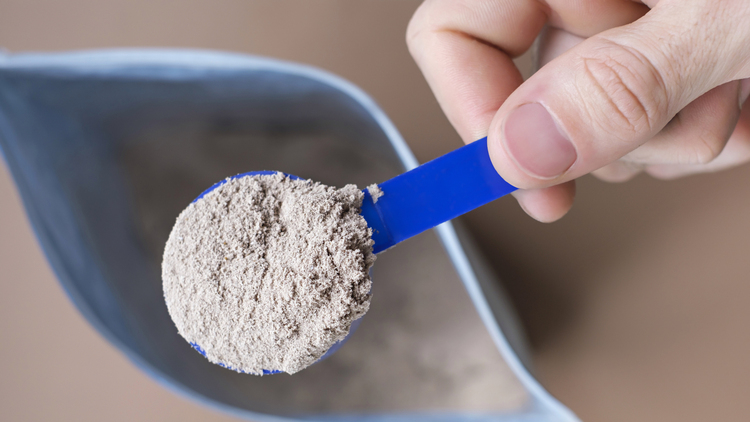
Determining the optimal dosage of BCAAs for fat loss can vary depending on individual factors such as body weight, activity level, and overall diet. However, most research suggests that a daily intake of 5-10 grams of BCAAs is sufficient to reap their benefits. This dosage can be divided into multiple servings throughout the day, particularly around workout times, to maximize their effects on muscle preservation and performance.
Leucine, one of the three BCAAs, is particularly important for its role in muscle protein synthesis. Studies have shown that a dose of around 2-3 grams of leucine per serving is effective in stimulating muscle protein synthesis. Therefore, when choosing a BCAA supplement, it's essential to look for one with a higher leucine content to ensure optimal results. A common ratio found in supplements is 2:1:1, with two parts leucine to one part isoleucine and valine.
It's also worth noting that while BCAAs can be beneficial, they should not replace a balanced diet and adequate protein intake. Whole food sources of protein, such as lean meats, dairy, and plant-based proteins, provide a complete amino acid profile and additional nutrients essential for overall health. BCAA supplements can be a convenient addition to your diet, particularly during a calorie deficit, but they should be used in conjunction with a well-rounded nutrition plan.
When it comes to obtaining BCAAs, you have two primary options: supplements and whole foods. Both sources have their advantages, and the best choice depends on your individual needs and preferences. BCAA supplements are a convenient and efficient way to ensure you're getting an adequate intake of these essential amino acids. They are particularly useful for individuals with higher protein requirements or those following a calorie-restricted diet where whole food intake may be limited.
BCAA supplements are available in various forms, including powders, capsules, and ready-to-drink beverages. They are typically flavored and can be easily mixed with water or other beverages, making them a convenient option for on-the-go nutrition. Additionally, BCAA supplements allow for precise dosing, ensuring you get the optimal amount of leucine, isoleucine, and valine needed to support muscle preservation and fat loss.
On the other hand, whole foods are an excellent source of BCAAs and provide additional nutrients that support overall health. High-protein foods such as chicken, beef, eggs, dairy products, and legumes are rich in BCAAs. Consuming a variety of these foods as part of a balanced diet ensures you get a complete amino acid profile and other essential nutrients like vitamins, minerals, and healthy fats. While whole foods may require more planning and preparation, they offer a holistic approach to nutrition and can be just as effective as supplements for obtaining BCAAs.
In conclusion, BCAAs are a powerful tool for supporting fat loss during a calorie deficit. Their unique properties, including promoting muscle protein synthesis, reducing muscle protein breakdown, and enhancing exercise performance, make them invaluable for anyone looking to preserve muscle mass and achieve their weight loss goals. By understanding how BCAAs work in the body and incorporating them into a balanced diet and exercise plan, you can unlock their full potential and maximize your fat loss results.
Remember, achieving fat loss is a multifaceted process that requires a comprehensive approach. While BCAAs can provide significant benefits, they should be used in conjunction with a well-rounded nutrition plan, regular physical activity, and adequate rest. Focus on creating a sustainable calorie deficit, incorporating strength training exercises, and consuming a variety of nutrient-dense foods to support overall health and well-being.
By integrating BCAAs into your diet and lifestyle, you can enhance your fat loss journey, preserve valuable muscle mass, and achieve lasting results. Whether you choose to obtain BCAAs through supplements or whole foods, the key is consistency and balance. Stay committed to your goals, make informed choices, and enjoy the benefits of a healthier, leaner, and more energized you.
Please fill in your details to start.
Hi there! 👋
I am Revolution Nutrition's customer support! How are you today?