Welcome
It looks like you are in United States (US), would you like to visit our US site?

No, keep me on Revolution Nutrition Canada

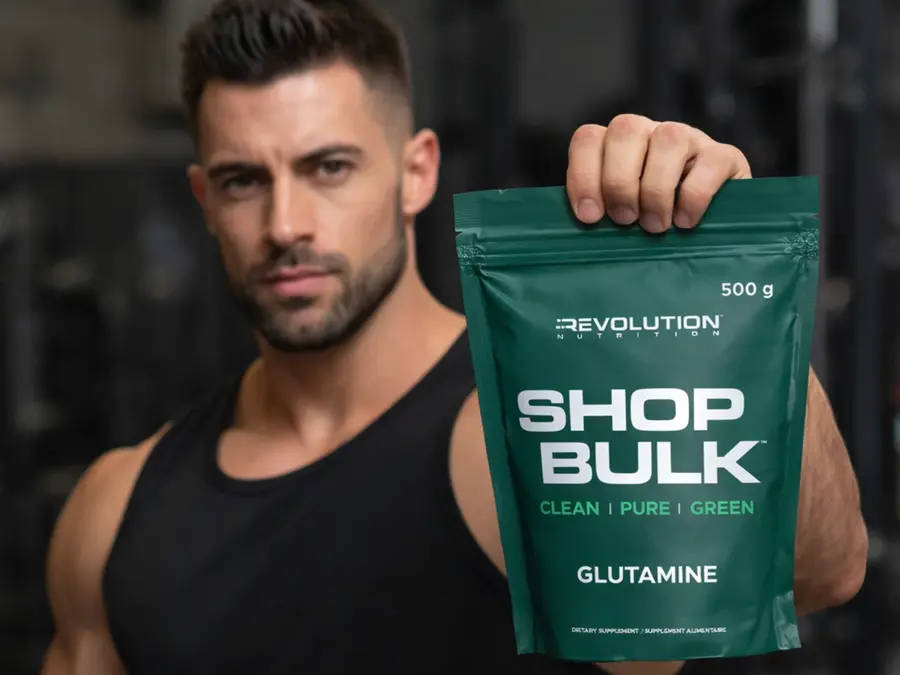
Unlock your potential with glutamine! Discover how this powerhouse amino acid can enhance muscle recovery and speed up post-workout repair for better results.
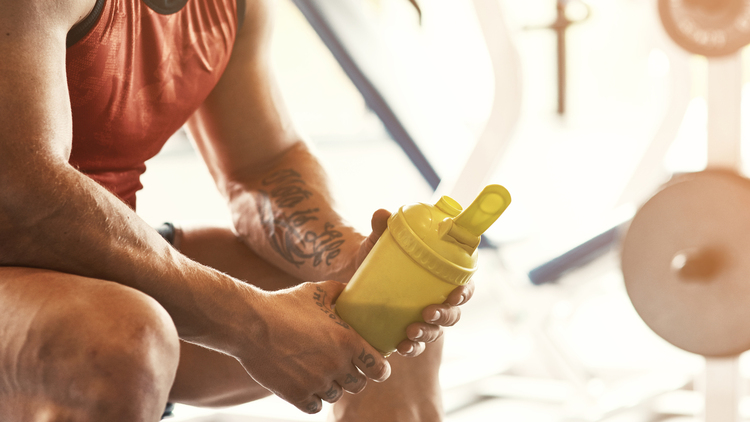
Glutamine is the most abundant amino acid in the human body, playing a pivotal role in many physiological processes. During intense exercise, your body's demand for glutamine increases significantly. It is involved in protein synthesis, which is essential for muscle repair and growth. Glutamine helps to maintain a positive nitrogen balance, a state necessary for muscle anabolism. Without sufficient glutamine levels, your body may struggle to repair and build new muscle tissue effectively.
One of the key ways glutamine aids in muscle recovery is by reducing muscle soreness and exercise-induced muscle damage. Studies have shown that glutamine supplementation can decrease the levels of creatine kinase, an enzyme released during muscle damage. By lowering creatine kinase levels, glutamine can help to minimize muscle soreness, allowing for quicker recovery and a faster return to training.
Furthermore, glutamine supports immune function, which can be compromised during periods of intense physical activity. A strong immune system is crucial for overall health and recovery. Glutamine acts as a fuel source for immune cells, helping to maintain their function and prevent illness. This dual role in muscle repair and immune support makes glutamine an invaluable supplement for athletes and fitness enthusiasts looking to optimize their recovery process.
Supplementing with glutamine offers a range of benefits that extend beyond muscle recovery. One of the primary advantages is its ability to enhance muscle protein synthesis. By providing your body with an ample supply of this amino acid, you can ensure that your muscles have the necessary resources to repair and grow. This can lead to increased muscle mass and improved strength over time.
Another significant benefit of glutamine supplementation is its role in reducing muscle fatigue. Intense workouts can deplete your glutamine stores, leading to muscle fatigue and prolonged recovery times. By replenishing these stores through supplementation, you can reduce the onset of muscle fatigue and improve your overall endurance. This allows you to train harder and longer, ultimately leading to better performance and results.
Glutamine also plays a crucial role in maintaining gut health, which is often overlooked in the context of muscle recovery. A healthy gut is essential for optimal nutrient absorption, which directly impacts your body's ability to repair and build muscle. Glutamine acts as a fuel source for the cells lining your intestines, promoting their health and function. This can improve nutrient absorption and overall digestive health, further supporting your recovery and performance goals.
To reap the full benefits of glutamine supplementation, it is crucial to understand the optimal dosage and timing. The recommended daily dosage of glutamine can vary depending on individual needs and training intensity. For general muscle recovery and immune support, a daily intake of 5-10 grams is often sufficient. However, athletes and individuals engaging in intense physical training may require higher doses, ranging from 10-20 grams per day.
Timing is equally important when it comes to glutamine supplementation. To maximize its effects on muscle recovery, it is best to take glutamine immediately after your workout. This is when your muscles are most receptive to nutrients, and glutamine can be quickly utilized for repair and growth. Additionally, taking a dose of glutamine before bed can further support recovery during the overnight fasting period, when your body continues to repair and build muscle tissue.
It is also beneficial to split your daily dosage into several smaller doses throughout the day. This ensures a steady supply of glutamine in your bloodstream, supporting continuous muscle repair and immune function. For example, you can take one dose in the morning, another post-workout, and a final dose before bed. By following these guidelines, you can optimize the benefits of glutamine supplementation and enhance your overall recovery process.

While supplementation can be an effective way to boost your glutamine levels, it is also possible to obtain this amino acid through natural dietary sources. Foods rich in protein are typically good sources of glutamine, making it relatively easy to incorporate into your diet. By consuming a balanced diet with adequate protein intake, you can support your body's glutamine needs and promote muscle recovery.
Animal proteins, such as meat, poultry, and fish, are particularly high in glutamine. For example, beef, chicken, and pork are excellent sources, providing a significant amount of glutamine per serving. Dairy products, such as milk, yogurt, and cheese, also contain substantial levels of glutamine. These foods not only supply glutamine but also offer other essential nutrients that support overall health and muscle recovery.
Plant-based sources of glutamine include legumes, beans, and certain vegetables. For instance, beans, lentils, and chickpeas are rich in glutamine, making them valuable additions to a vegetarian or vegan diet. Additionally, vegetables like spinach, cabbage, and parsley contain notable amounts of glutamine. By incorporating a variety of these foods into your diet, you can ensure a consistent supply of glutamine to support your muscle recovery and overall health.
Glutamine is just one of many supplements available for muscle recovery, and it is essential to understand how it compares to other popular options. One of the most widely used recovery supplements is branched-chain amino acids (BCAAs), which include leucine, isoleucine, and valine. BCAAs are known for their ability to stimulate muscle protein synthesis and reduce muscle soreness. While both glutamine and BCAAs offer recovery benefits, they work through different mechanisms and can be used together for a synergistic effect.
Creatine is another popular supplement known for its ability to enhance strength, power, and muscle recovery. Creatine works by increasing the availability of ATP, the primary energy source for muscle contractions. While creatine is highly effective for improving performance and recovery, it does not offer the same immune support and gut health benefits as glutamine. Combining creatine with glutamine can provide a comprehensive approach to muscle recovery and overall health.
Protein powders, particularly whey protein, are also commonly used to support muscle recovery. Whey protein is rich in essential amino acids, including glutamine, making it an excellent choice for post-workout nutrition. However, for individuals looking to target specific recovery needs, such as immune support or gut health, additional glutamine supplementation may still be beneficial. By understanding the unique benefits of each supplement, you can tailor your regimen to best support your recovery and performance goals.
In conclusion, glutamine is a powerful amino acid that offers numerous benefits for muscle recovery and overall health. Its role in protein synthesis, immune support, and gut health makes it a valuable addition to any fitness regimen. By understanding the science behind muscle recovery and the specific ways glutamine can enhance this process, you can make informed decisions about incorporating it into your routine.
While glutamine supplementation is generally safe and well-tolerated, it is essential to consider individual needs and potential side effects. Consulting with a healthcare professional can help ensure that glutamine is a suitable choice for your specific circumstances. Additionally, combining glutamine with other recovery supplements, such as BCAAs, creatine, and protein powders, can provide a comprehensive approach to muscle repair and performance enhancement.
Real-life testimonials from athletes and fitness enthusiasts further illustrate the potential impact of glutamine on recovery and overall well-being. By optimizing dosage and timing, you can maximize the benefits of glutamine and support your body's ability to repair and grow muscle tissue effectively. Ultimately, investing in glutamine supplementation can be a worthwhile decision for those looking to enhance their recovery, improve performance, and achieve their fitness goals.
Please fill in your details to start.
Hi there! 👋
I am Revolution Nutrition's customer support! How are you today?