Welcome
It looks like you are in United States (US), would you like to visit our US site?

No, keep me on Revolution Nutrition Canada

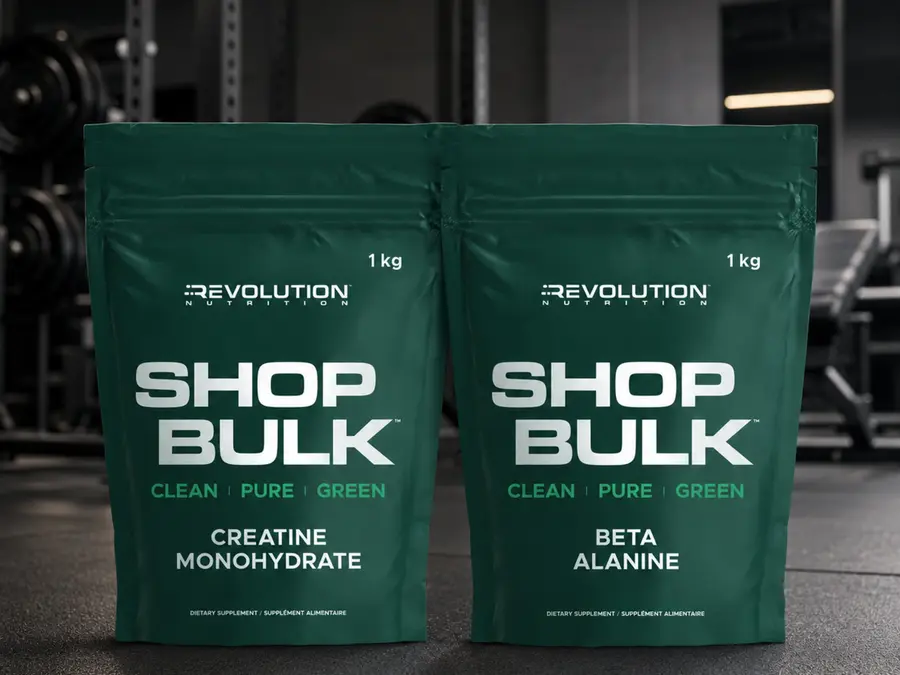
Beta-Alanine is a non-essential amino acid that plays a critical role in the production of carnosine. Carnosine is a dipeptide molecule found in high concentrations within muscle tissue, where it acts as a buffer against lactic acid accumulation. When you engage in high-intensity exercise, your muscles produce lactic acid, leading to a decrease in pH levels. This acidic environment can cause fatigue and reduce performance. Beta-Alanine supplementation increases carnosine levels, allowing your muscles to better manage lactic acid buildup and maintain optimal pH levels.
The process starts with Beta-Alanine being transported into muscle cells, where it combines with another amino acid, histidine, to form carnosine. Histidine is usually present in sufficient quantities in the body, but Beta-Alanine is often the limiting factor in carnosine synthesis. By supplementing with Beta-Alanine, you can elevate muscle carnosine concentrations by up to 80%, providing a significant advantage during high-intensity workouts.
Moreover, Beta-Alanine's impact is not limited to buffering lactic acid. It also contributes to enhanced muscle endurance, allowing athletes to perform more repetitions or sustain higher levels of exertion. The increase in carnosine levels can also improve muscle contraction efficiency, further enhancing athletic performance. This makes Beta-Alanine particularly valuable for activities that involve repeated bouts of high-intensity effort, such as sprinting, weightlifting, and high-intensity interval training (HIIT).
Creatine is another non-essential amino acid that is synthesized in the liver, kidneys, and pancreas from the amino acids arginine, glycine, and methionine. The majority of creatine in the body is stored in the muscles, where it plays a pivotal role in the production of adenosine triphosphate (ATP), the body's primary energy currency. During high-intensity, short-duration activities like sprinting or lifting heavy weights, your muscles rely on ATP for quick energy.
However, the body's ATP stores are limited and can be depleted within seconds. This is where creatine comes into play. Creatine phosphate, a form of stored creatine in muscles, donates a phosphate group to adenosine diphosphate (ADP) to regenerate ATP. This rapid replenishment of ATP allows for sustained high-intensity efforts and quicker recovery between sets or sprints.
In addition to its role in ATP production, creatine has been shown to increase muscle mass through various mechanisms. It promotes water retention within muscle cells, leading to increased cell volume and a more anabolic environment. Creatine also stimulates protein synthesis and reduces protein breakdown, contributing to muscle growth and recovery. These combined effects make creatine a valuable supplement for athletes looking to enhance their strength, power, and muscle mass.
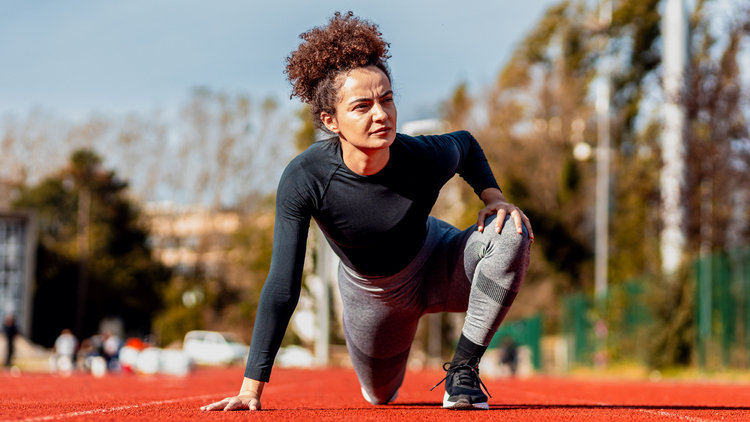
The primary benefit of Beta-Alanine supplementation is its ability to delay the onset of muscle fatigue during high-intensity exercise. By increasing carnosine levels in the muscles, Beta-Alanine helps to buffer the acid produced during anaerobic metabolism, allowing athletes to maintain performance for longer periods. This is particularly beneficial for sports that involve repeated bursts of intense activity, such as sprinting, powerlifting, and team sports like football and basketball.
Another significant benefit of Beta-Alanine is its potential to improve muscle endurance. Studies have shown that athletes who supplement with Beta-Alanine can perform more repetitions before reaching exhaustion. This increased endurance can translate to greater training volume, which can ultimately lead to improved strength and muscle gains over time. For endurance athletes, Beta-Alanine can also enhance performance by allowing them to sustain higher intensities for longer durations.
Beta-Alanine may also have cognitive benefits. Some research suggests that carnosine has antioxidant properties that can protect brain cells from oxidative stress and improve cognitive function. While more research is needed in this area, these potential cognitive benefits add to the overall appeal of Beta-Alanine as a supplement for athletes and fitness enthusiasts.
Creatine's benefits for athletic performance are well-documented and supported by extensive research. One of the most notable benefits is its ability to enhance strength and power output. By increasing the availability of ATP during high-intensity activities, creatine allows athletes to lift heavier weights and perform more explosive movements. This can lead to greater improvements in strength and power, which are essential for many sports and training programs.
In addition to its effects on strength and power, creatine can also promote muscle hypertrophy. The increase in muscle cell volume due to water retention provides a more anabolic environment, which can enhance protein synthesis and muscle growth. Creatine has also been shown to increase levels of insulin-like growth factor 1 (IGF-1), a hormone that plays a key role in muscle development. These combined effects make creatine an effective supplement for those looking to increase muscle mass.
Creatine also offers benefits for recovery. By replenishing ATP stores more quickly, creatine can reduce the time it takes for muscles to recover between sets and workouts. This can allow for more frequent and intense training sessions, leading to greater overall gains. Additionally, creatine has been shown to reduce muscle damage and inflammation, further supporting recovery and reducing the risk of injury.
While both Beta-Alanine and creatine offer significant benefits for athletic performance, their mechanisms of action and primary effects differ. Beta-Alanine primarily enhances performance by increasing muscle carnosine levels, which helps buffer lactic acid and delay muscle fatigue. This makes it particularly effective for activities that involve repeated bouts of high-intensity effort, such as sprinting, weightlifting, and team sports.
In contrast, creatine primarily enhances performance by increasing the availability of ATP, the primary energy currency of the body. This allows for greater strength and power output, making it particularly effective for activities that require short bursts of intense effort, such as sprinting, jumping, and heavy lifting. Creatine also promotes muscle hypertrophy and supports recovery, making it a valuable supplement for those looking to increase muscle mass and improve overall training performance.
While the primary effects of Beta-Alanine and creatine differ, they can complement each other when used together. For example, the increased muscle endurance from Beta-Alanine can enhance the ability to perform more repetitions at a given weight, while the increased strength and power from creatine can allow for lifting heavier weights. This combination can lead to greater overall gains in strength, power, and muscle mass. Additionally, both supplements support different aspects of recovery, further enhancing their combined benefits.
Beta-Alanine is particularly beneficial for athletes and fitness enthusiasts who engage in activities that involve repeated bouts of high-intensity effort. This includes sports like sprinting, weightlifting, and team sports such as football, basketball, and soccer. The increased muscle endurance and delayed muscle fatigue from Beta-Alanine can enhance performance in these activities, allowing athletes to train harder and perform better in competition.
Endurance athletes, such as long-distance runners and cyclists, can also benefit from Beta-Alanine supplementation. While these athletes primarily rely on aerobic metabolism, there are still periods of high-intensity effort, such as sprints or hill climbs, where anaerobic metabolism and lactic acid buildup become significant factors. Beta-Alanine can help buffer the acid produced during these efforts, allowing endurance athletes to maintain higher intensities for longer durations.
Additionally, Beta-Alanine may be beneficial for older adults looking to maintain or improve their physical performance. As we age, muscle carnosine levels decline, which can contribute to decreased muscle endurance and increased fatigue. Supplementing with Beta-Alanine can help counteract these effects, supporting better overall physical function and quality of life.

Creatine is one of the most widely used and researched supplements, with benefits that extend to a broad range of athletes and fitness enthusiasts. Those who engage in activities that require short bursts of intense effort, such as sprinting, jumping, and heavy lifting, can particularly benefit from creatine supplementation. The increased availability of ATP allows for greater strength and power output, enhancing performance in these activities.
Bodybuilders and those looking to increase muscle mass can also benefit from creatine. The increase in muscle cell volume and enhanced protein synthesis from creatine can support greater muscle growth. Additionally, creatine's ability to reduce muscle damage and inflammation can support recovery and allow for more frequent and intense training sessions. This makes creatine an effective supplement for those looking to improve their body composition and overall training performance.
Older adults can also benefit from creatine supplementation. As we age, muscle mass, strength, and power decline, which can impact overall physical function and quality of life. Creatine has been shown to improve muscle mass and strength in older adults, supporting better overall physical function and reducing the risk of falls and injuries. This makes creatine a valuable supplement for older adults looking to maintain or improve their physical health.
Given their distinct mechanisms of action and primary effects, Beta-Alanine and creatine can complement each other when used together. The increased muscle endurance from Beta-Alanine can enhance the ability to perform more repetitions at a given weight, while the increased strength and power from creatine can allow for lifting heavier weights. This combination can lead to greater overall gains in strength, power, and muscle mass.
Additionally, both supplements support different aspects of recovery. Beta-Alanine helps to buffer lactic acid and delay muscle fatigue, allowing for more sustained high-intensity efforts and quicker recovery between sets. Creatine, on the other hand, replenishes ATP stores more quickly, reducing the time it takes for muscles to recover between sets and workouts. Together, these effects can support more frequent and intense training sessions, leading to greater overall gains.
It's also worth noting that both Beta-Alanine and creatine have potential cognitive benefits. Beta-Alanine's role in increasing carnosine levels may support brain health and cognitive function, while creatine has been shown to improve cognitive performance and reduce mental fatigue. These combined cognitive benefits can further enhance overall performance and quality of life.
When it comes to choosing between Beta-Alanine and creatine, it's important to consider your specific fitness goals and the demands of your training program. If your primary goal is to enhance muscle endurance and delay fatigue during high-intensity efforts, Beta-Alanine may be the more appropriate supplement. This is particularly true for athletes involved in sprinting, weightlifting, and team sports that require repeated bursts of intense activity.
On the other hand, if your primary goal is to increase strength, power, and muscle mass, creatine may be the better choice. The increased availability of ATP and the anabolic environment created by creatine can support greater gains in these areas. This makes creatine particularly beneficial for bodybuilders, powerlifters, and athletes involved in sports that require short bursts of intense effort.
Ultimately, the decision to use Beta-Alanine, creatine, or both should be based on your individual needs and goals. Both supplements offer unique benefits that can enhance your performance and support your training program. By understanding the mechanisms, benefits, and potential applications of each supplement, you can make an informed choice that aligns with your fitness goals and helps you achieve optimal performance.
Please fill in your details to start.
Hi there! 👋
I am Revolution Nutrition's customer support! How are you today?