Welcome
It looks like you are in United States (US), would you like to visit our US site?

No, keep me on Revolution Nutrition Canada


Are you tired of feeling tired? Fatigue can be a daily struggle, affecting your mood, focus, and overall quality of life. One of the most effective, yet often overlooked, solutions lies in your kitchen. Enter iron-rich meals: a powerhouse of energy that can transform how you feel. Iron is crucial for producing hemoglobin, the protein responsible for carrying oxygen in your blood, which directly impacts your energy levels. In this ultimate guide, we’re diving deep into delicious and nutritious meals that will boost your iron intake, helping you combat fatigue and reclaim your vitality. From hearty breakfasts to satisfying dinners, you'll discover a variety of recipes that don't just nourish your body but also tantalize your taste buds. Say goodbye to the midday slump and hello to a vibrant, energized you! Let’s explore the best iron-rich foods that will fuel your days and invigorate your life.
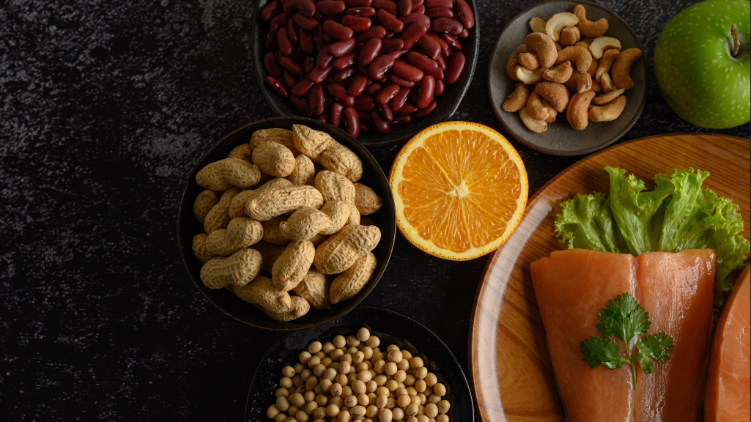
Iron is an essential mineral that plays a pivotal role in maintaining our overall health and energy levels. It is a key component of hemoglobin, the protein in red blood cells responsible for transporting oxygen from our lungs to the rest of our body. Without adequate iron, our bodies struggle to produce enough healthy red blood cells, leading to inefficient oxygen delivery to tissues and organs. This can result in feelings of fatigue and lethargy, as our cells are deprived of the oxygen necessary for energy production. Ensuring we get enough iron from our diet is crucial for keeping our energy levels high and our bodies functioning optimally.
Aside from its role in oxygen transport, iron is also vital for several other biological functions. It supports the production of collagen, a protein that helps maintain the integrity of our skin, blood vessels, and connective tissues. Iron is necessary for the synthesis of neurotransmitters such as dopamine and serotonin, which are critical for regulating mood and cognitive function. Additionally, iron is involved in immune system support, aiding in the production of white blood cells that defend against infections. Given its multifaceted importance, maintaining adequate iron levels through our diet is crucial for overall health and vitality.
Iron is found in two forms in our diet: heme iron and non-heme iron. Heme iron, which is more readily absorbed by the body, comes from animal sources like meat, poultry, and fish. Non-heme iron, which is less efficiently absorbed, is found in plant-based foods such as beans, lentils, spinach, and fortified cereals. Understanding the difference between these iron types and incorporating a variety of iron-rich foods into our meals can help optimize iron intake and ensure we meet our daily requirements. By prioritizing iron-rich foods in our diet, we can effectively combat fatigue and enhance our energy levels, empowering us to lead more active and fulfilling lives.
Iron deficiency is a common nutritional issue that can significantly impact our energy levels and overall health. Recognizing the signs of iron deficiency is crucial for addressing the problem before it becomes severe. One of the most prominent symptoms of iron deficiency is fatigue, which can manifest as a constant feeling of tiredness and lack of energy, even after adequate rest. This fatigue can affect daily activities, making it difficult to concentrate, perform physical tasks, and maintain motivation. Individuals with iron deficiency may also experience weakness, dizziness, and shortness of breath, especially during physical exertion.
Another noticeable sign of iron deficiency is paleness or a noticeable change in skin tone. This occurs because low iron levels result in fewer red blood cells, leading to reduced oxygen delivery to tissues and organs. As a result, the skin may appear lighter or more sallow. Additionally, iron deficiency can cause brittle nails, hair loss, and a sore or swollen tongue. These symptoms occur because iron is essential for maintaining healthy skin, hair, and nails. People with iron deficiency may also experience an increased susceptibility to infections, as iron plays a vital role in immune function.
Some individuals may develop unusual cravings or dietary habits as a result of iron deficiency, a condition known as pica. Pica is characterized by a desire to eat non-food items such as ice, dirt, or paper. This behavior is thought to be the body's way of compensating for nutrient deficiencies. If you suspect you might be experiencing iron deficiency, it is important to seek medical advice and get a blood test to confirm your iron levels. Addressing iron deficiency through dietary changes and supplements can help restore energy levels and improve overall health and well-being.
Starting your day with a breakfast rich in iron can set the tone for sustained energy throughout the day. Incorporating iron-rich foods into your morning meal is a simple and effective way to ensure you meet your daily iron requirements. One excellent option is a spinach and mushroom omelet. Spinach is a fantastic source of non-heme iron, while mushrooms provide additional nutrients and flavor. Pairing spinach with eggs also boosts the overall nutritional value of your breakfast, as eggs are rich in protein and vitamins.
Another delicious and iron-packed breakfast choice is a bowl of oatmeal topped with iron-rich fruits and seeds. Oatmeal, especially when fortified, is a good source of non-heme iron. Adding fruits like raisins, dried apricots, and strawberries enhances the iron content and provides natural sweetness. Seeds such as chia, pumpkin, and flaxseed are also great additions, as they offer a variety of nutrients, including iron. This combination not only boosts your iron intake but also provides fiber and healthy fats, making it a balanced and satisfying meal.
For those who prefer a more savory breakfast, consider preparing a quinoa and black bean breakfast bowl. Quinoa is a high-protein grain that contains a significant amount of non-heme iron. Black beans are another excellent source of iron and provide additional protein and fiber. To enhance the flavor, you can add avocado, tomatoes, and a sprinkle of cheese. This hearty and nutritious breakfast will not only help you meet your iron needs but also keep you full and energized until lunchtime.
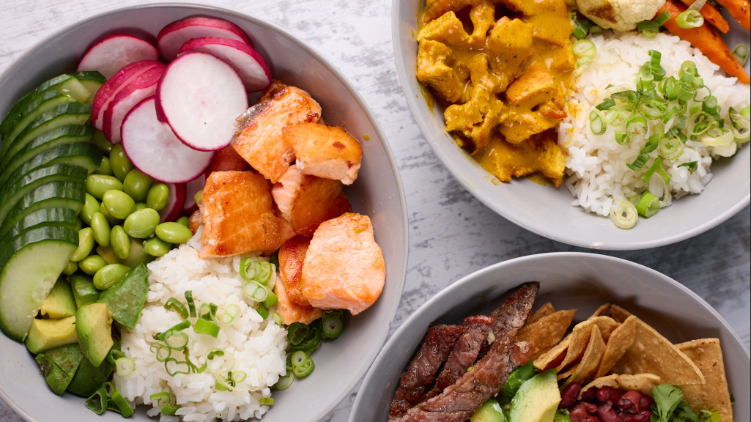
Iron-rich meals don't have to be complicated or time-consuming. With a little creativity, you can prepare delicious and nutritious lunches and dinners that cater to various dietary preferences while boosting your iron intake. For those who enjoy meat, a beef and lentil stew is a perfect choice. Beef provides a substantial amount of heme iron, which is easily absorbed by the body. Adding lentils to the stew boosts the overall iron content and provides additional protein and fiber. This hearty dish is not only rich in iron but also offers a variety of flavors and textures.
Vegetarians and vegans can enjoy iron-rich meals by focusing on plant-based sources of iron. A chickpea and spinach curry is an excellent option that combines two powerhouse ingredients. Chickpeas are a great source of non-heme iron, while spinach adds even more iron and a range of other nutrients. To enhance iron absorption, consider serving the curry with a side of quinoa or brown rice, both of which are also rich in iron. This flavorful and satisfying meal is perfect for lunch or dinner and can be easily prepared in advance.
For pescatarians, a salmon and kale salad is a fantastic choice. Salmon is not only rich in heme iron but also provides omega-3 fatty acids, which are essential for heart health. Kale is a nutrient-dense green that adds a significant amount of non-heme iron to the meal. To make the salad even more nutritious, add ingredients like avocado, nuts, and seeds. This refreshing and iron-loaded salad is perfect for a light lunch or dinner and can be customized to suit your taste preferences.
Smoothies and juices are a convenient and delicious way to increase your iron intake without spending too much time in the kitchen. These beverages can be made with a variety of iron-rich fruits, vegetables, and supplements, making them an ideal option for busy individuals who need a quick and nutritious boost. One excellent smoothie option is a spinach and berry smoothie. Spinach is a well-known source of non-heme iron, while berries such as strawberries, raspberries, and blueberries add flavor and additional nutrients. To enhance the iron absorption, consider adding a splash of citrus juice, as vitamin C improves the body's ability to absorb non-heme iron.
Another tasty and iron-packed smoothie is a banana and almond butter smoothie. Bananas provide a good amount of non-heme iron, while almond butter adds protein, healthy fats, and additional iron. To make the smoothie even more nutritious, add a handful of chia seeds or flaxseed, which are rich in iron and other essential nutrients. This creamy and satisfying smoothie is perfect for a quick breakfast or a midday snack and can be easily customized with your favorite ingredients.
For juice lovers, a beetroot and carrot juice is a fantastic choice. Beetroot is rich in non-heme iron and also provides antioxidants that support overall health. Carrots add sweetness and additional nutrients, making this juice both delicious and nutritious. To further boost the iron content, consider adding a splash of orange juice, which enhances iron absorption due to its high vitamin C content. This vibrant and refreshing juice is perfect for any time of the day and can be made in larger batches for convenience.
Snacking can be an excellent opportunity to sneak in some extra iron throughout the day. There are plenty of iron-rich snacks that are both delicious and easy to prepare, making them perfect for busy lifestyles. One great option is roasted chickpeas. Chickpeas are a fantastic source of non-heme iron and can be seasoned with a variety of spices to suit your taste. Simply toss chickpeas with olive oil and your favorite seasonings, then roast them until crispy. These crunchy and flavorful snacks are perfect for satisfying hunger between meals.
Another iron-rich snack idea is trail mix made with nuts, seeds, and dried fruits. Nuts such as almonds and cashews, seeds like pumpkin and sunflower seeds, and dried fruits like apricots and raisins are all rich in iron. Combining these ingredients into a homemade trail mix creates a nutritious and portable snack that can be enjoyed at any time. To make your trail mix even more appealing, consider adding a small amount of dark chocolate, which also contains iron and adds a touch of sweetness.
For those who prefer a more substantial snack, consider making mini spinach and feta muffins. Spinach is an excellent source of non-heme iron, and pairing it with feta cheese adds flavor and additional nutrients. These savory muffins are easy to prepare and can be made in advance for convenient snacking. Simply mix chopped spinach, crumbled feta cheese, and your favorite muffin batter, then bake until golden brown. These tasty and iron-rich muffins are perfect for a quick bite on the go.

While incorporating iron-rich foods into your diet is essential, it's also important to be aware of certain foods and substances that can inhibit iron absorption. One major culprit is calcium. Foods high in calcium, such as dairy products, can interfere with the body's ability to absorb non-heme iron. This doesn't mean you should avoid dairy altogether, but it is advisable to separate your iron-rich meals from high-calcium foods to optimize iron absorption.
Another group of foods that can hinder iron absorption are those containing phytates, such as whole grains, legumes, and some nuts and seeds. Phytates bind to iron and prevent its absorption in the intestines. While these foods are nutritious and should be included in a balanced diet, it is beneficial to consume them separately from iron-rich meals. Soaking, fermenting, or sprouting grains and legumes can reduce phytate content and improve iron absorption.
Polyphenols, which are found in tea, coffee, and certain fruits and vegetables, can also inhibit iron absorption. Polyphenols bind to iron and reduce its bioavailability. To minimize this effect, consider drinking tea and coffee between meals rather than with them. Additionally, you can enhance iron absorption by consuming vitamin C-rich foods alongside your iron-rich meals. Vitamin C helps convert non-heme iron into a form that is more easily absorbed by the body.
Maximizing iron absorption from your meals can be achieved through several simple cooking techniques and strategies. One effective method is to pair iron-rich foods with sources of vitamin C, as vitamin C significantly enhances the absorption of non-heme iron. For example, adding bell peppers, tomatoes, or citrus fruits to a spinach salad can boost iron absorption. Similarly, squeezing lemon juice over iron-rich dishes or incorporating vitamin C-rich fruits into smoothies can make a notable difference.
Cooking with cast iron cookware is another excellent way to increase iron intake. The iron from the cookware can leach into the food during cooking, thereby enhancing its iron content. This is particularly effective for acidic foods like tomatoes, which can absorb more iron from the cookware. Using cast iron pans for sautéing vegetables, making stews, or frying meats can be an easy and practical way to boost your dietary iron.
Soaking, fermenting, and sprouting grains and legumes can also improve iron absorption by reducing phytate content. Phytates are compounds that inhibit iron absorption, and these preparation methods can help break them down. For example, soaking beans overnight before cooking or sprouting lentils and grains can make the iron in these foods more accessible to the body. Incorporating these techniques into your cooking routine can help optimize your iron intake and support better overall health.
Integrating iron-rich meals into your daily routine is a powerful strategy for combating fatigue and boosting your energy levels. By understanding the importance of iron and recognizing the signs of deficiency, you can take proactive steps to improve your health and well-being. From hearty breakfasts and satisfying lunches to convenient smoothies and snacks, there are countless delicious and nutritious options to help you meet your iron needs. Avoiding foods that block iron absorption and employing cooking tips to enhance iron bioavailability can further optimize your dietary intake.
Embracing an iron-rich lifestyle doesn't have to be difficult or restrictive. With a variety of meal choices catering to different dietary preferences, you can enjoy flavorful and nourishing foods that support your energy levels. Whether you're incorporating more spinach into your breakfasts, enjoying a beef and lentil stew for dinner, or sipping on a refreshing beetroot juice, these iron-rich options can make a significant impact on your vitality.
By prioritizing iron-rich meals and making mindful choices about your diet, you can reclaim your energy and improve your overall quality of life. Say goodbye to the midday slump and hello to a vibrant, energized you. With this ultimate guide to iron-rich meals, you're equipped with the knowledge and inspiration to fuel your days and invigorate your life. Embrace the journey to better energy and enjoy the benefits of a well-balanced, iron-rich diet.
Please fill in your details to start.
Hi there! 👋
I am Revolution Nutrition's customer support! How are you today?