Welcome
It looks like you are in United States (US), would you like to visit our US site?

No, keep me on Revolution Nutrition Japan


As a vegetarian, fueling your muscle repair post-workout can be a delicious journey. Discover key strategies to enhance recovery and build strength effectively!

Protein is often dubbed the building block of muscles, and for good reason. It's composed of amino acids, which play a critical role in repairing and rebuilding muscle tissues after they have been stressed during a workout. When you exercise, proteins in your muscle fibers break down, and consuming protein post-workout helps to replenish these losses and stimulate muscle protein synthesis.
For vegetarians, getting enough protein can sometimes be a challenge, but it's not impossible. Many plant-based sources provide ample protein to support muscle recovery. It’s essential to include a variety of protein-rich foods in your diet to ensure you are getting all the essential amino acids your body needs.
Incorporating a post-workout protein source is crucial for muscle repair. Studies suggest that consuming protein within 30 minutes to two hours after a workout can maximize recovery benefits. Therefore, planning your meals and snacks around your workout schedule can help you harness the full potential of your protein intake.
While protein is vital, it's not the only nutrient that plays a role in muscle recovery. Vegetarians need to pay attention to several key nutrients to ensure optimal muscle repair and overall health. Iron, for example, is crucial as it helps in oxygen transport to the muscles, which is essential during recovery. Plant-based sources of iron, such as lentils, chickpeas, and spinach, should be a staple in a vegetarian diet.
Zinc is another important nutrient that supports muscle repair and recovery. It aids in protein synthesis and immune function, both of which are crucial post-exercise. Nuts, seeds, and whole grains are excellent sources of zinc for vegetarians. Additionally, magnesium plays a significant role in muscle function and recovery. It helps to reduce muscle cramps and soreness, and can be found in foods like leafy greens, nuts, and seeds.
Omega-3 fatty acids, typically found in fish, are also important for reducing inflammation and promoting muscle recovery. For vegetarians, flaxseeds, chia seeds, and walnuts are excellent plant-based sources of omega-3s. Including a variety of these nutrients in your diet can help ensure that your body has all it needs to repair and build muscles effectively.
Finding high-quality plant-based protein sources is key for vegetarians looking to support muscle recovery. Legumes, such as lentils, chickpeas, and black beans, are excellent protein sources that also provide fiber, iron, and other essential nutrients. Incorporating a variety of legumes into your meals can help you meet your protein requirements.
Quinoa is another powerhouse for vegetarians. Not only is it high in protein, but it is also a complete protein, meaning it contains all nine essential amino acids that the body cannot produce on its own. Quinoa is versatile and can be used in salads, as a side dish, or even in breakfast bowls for a protein-packed start to your day.
Tofu and tempeh are soy-based products that are also rich in protein. They can be marinated and cooked in various ways to suit different tastes and cuisines. Edamame, or young soybeans, are another great option that can be added to salads, stir-fries, or enjoyed as a snack. These soy products are particularly beneficial as they provide a complete amino acid profile.
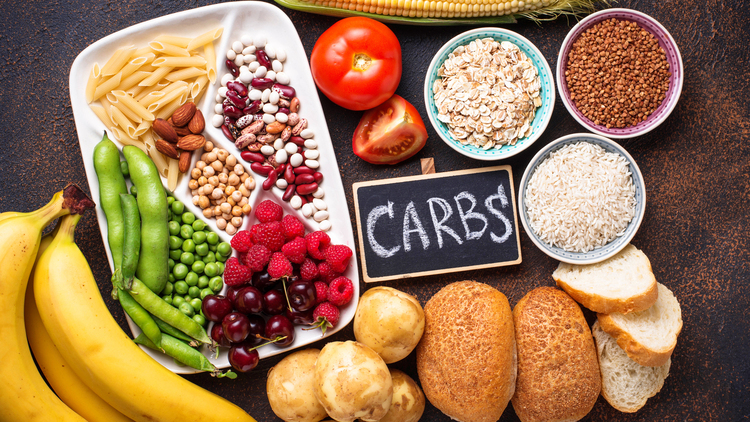
Carbohydrates often get a bad rap, but they are essential for muscle recovery. During exercise, your body's glycogen stores are depleted, and consuming carbohydrates post-workout helps to replenish these stores. This is crucial for restoring energy levels and ensuring that your muscles have the fuel they need to repair and grow.
For vegetarians, there are plenty of healthy carbohydrate sources to choose from. Whole grains like brown rice, quinoa, and oats provide complex carbohydrates that release energy slowly, helping to sustain energy levels throughout the day. Fruits, such as bananas and berries, are also excellent sources of carbohydrates and come with the added benefit of vitamins and antioxidants.
Balancing your carbohydrate intake with protein is key for optimal recovery. A post-workout meal that includes both macronutrients can help to maximize muscle protein synthesis and replenish glycogen stores efficiently. For example, a smoothie made with fruits, spinach, and a scoop of plant-based protein powder can be an excellent post-workout option.
Hydration is often an overlooked aspect of muscle recovery, but it is incredibly important. Water is essential for nearly every bodily function, including muscle repair. When you exercise, you lose fluids through sweat, and failing to replenish these fluids can lead to dehydration, which can hinder muscle recovery and performance.
Electrolytes, such as sodium, potassium, and magnesium, are also lost during exercise and need to be replenished. These minerals help to maintain fluid balance, support muscle function, and prevent cramps. Coconut water, for example, is a natural source of electrolytes and can be a great option for rehydration post-workout.
In addition to drinking water, consuming water-rich foods can also help with hydration. Fruits and vegetables like watermelon, cucumber, and oranges have high water content and can contribute to your daily fluid intake. Ensuring you stay well-hydrated before, during, and after your workouts is essential for supporting muscle repair and overall recovery.
The timing of your nutrient intake can significantly impact muscle recovery. Consuming the right nutrients at the right time can enhance muscle protein synthesis, replenish glycogen stores, and reduce muscle soreness. The post-workout window, typically considered to be within 30 minutes to two hours after exercise, is crucial for nutrient intake.
During this time, your muscles are more receptive to nutrients, making it the optimal period for consuming protein and carbohydrates. A balanced post-workout meal or snack that includes both macronutrients can help to kickstart the recovery process. For example, a smoothie with plant-based protein powder, banana, and almond milk can be a quick and effective option.
Pre-workout nutrition is also important. Consuming a small meal or snack that includes carbohydrates and a moderate amount of protein about 1-2 hours before exercise can provide the energy needed for your workout and prevent muscle breakdown. This helps to ensure that you perform at your best and set the stage for effective recovery post-exercise.
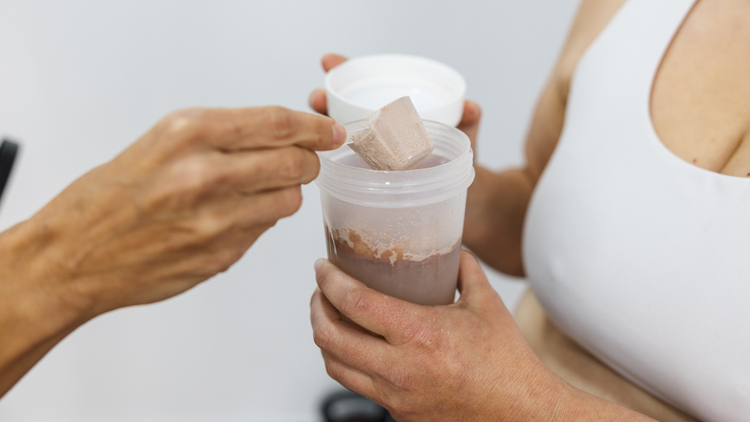
While a well-balanced diet can provide most of the nutrients needed for muscle recovery, supplements can be beneficial for filling any gaps. For vegetarians, certain supplements can help ensure that you are getting all the essential nutrients your body needs. Protein powders, for example, can be a convenient way to increase protein intake, especially post-workout.
Plant-based protein powders made from sources like pea, hemp, or brown rice can be excellent options. These powders can be easily added to smoothies, oatmeal, or even baked goods for an extra protein boost. BCAAs (branched-chain amino acids) are another supplement to consider, as they can help reduce muscle soreness and support muscle protein synthesis.
Other supplements that may be beneficial for vegetarians include vitamin B12, iron, and omega-3 fatty acids. Vitamin B12 is primarily found in animal products, so vegetarians may need to supplement to ensure adequate intake. Iron supplements can help prevent deficiency, especially for those who may not be getting enough from plant-based sources. Omega-3 supplements derived from algae are a great option for vegetarians to support overall health and muscle recovery.
Embracing a plant-based recovery strategy as a vegetarian can be both effective and enjoyable. By focusing on key nutrients, incorporating a variety of plant-based protein sources, and paying attention to nutrient timing, you can support muscle repair and enhance your overall fitness journey. Remember, hydration and balanced meals play a crucial role in recovery, and supplements can help fill any nutritional gaps.
By being mindful of your dietary choices and planning your meals around your workouts, you can optimize muscle recovery and see significant gains in strength and performance. Whether you're a seasoned vegetarian or new to plant-based eating, these strategies can help you achieve your fitness goals while enjoying delicious and nutritious foods. So, fuel your body with the right nutrients, stay hydrated, and embrace the journey of muscle recovery on a vegetarian diet!
Please fill in your details to start.
Hi there! 👋
I am Revolution Nutrition's customer support! How are you today?