Welcome
It looks like you are in United States (US), would you like to visit our US site?

No, keep me on Revolution Nutrition Japan

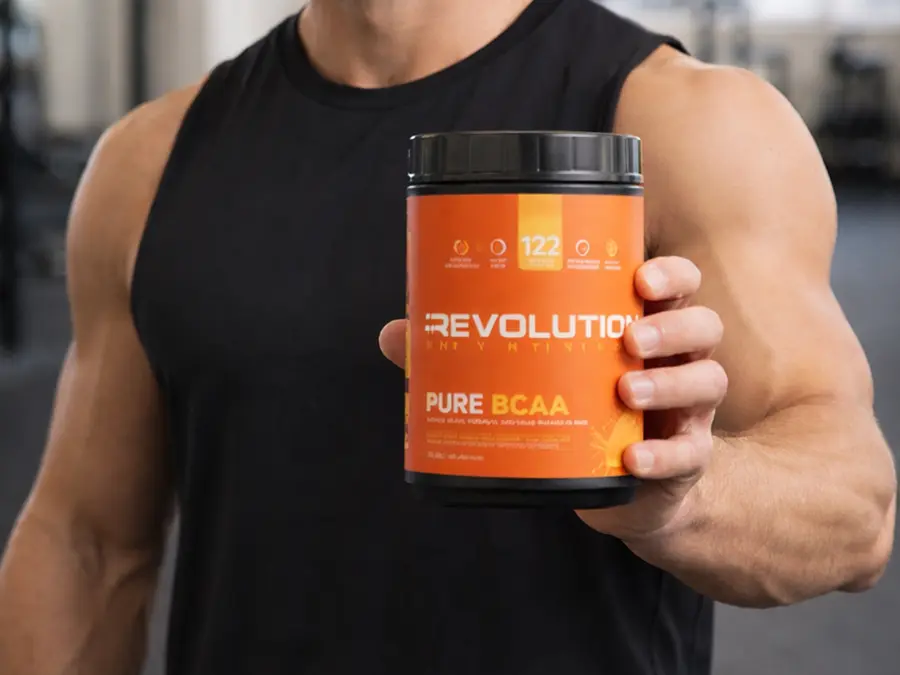
Can BCAAs help you shed fat while preserving muscle? Discover the science behind this popular supplement and how it can support your fitness goals effectively.

One of the primary benefits of BCAAs is their ability to preserve muscle mass, especially during periods of calorie restriction or intense exercise. When the body is in a caloric deficit, it often turns to stored energy sources, including muscle protein, to meet its energy needs. This process, known as muscle catabolism, can lead to a loss of muscle mass, which is undesirable for anyone looking to maintain or build muscle.
BCAAs, particularly leucine, play a critical role in preventing muscle catabolism by stimulating muscle protein synthesis. By providing a readily available source of amino acids, BCAAs help maintain a positive protein balance in the body, which is essential for muscle preservation. Additionally, BCAAs can help reduce the breakdown of muscle protein by decreasing levels of cortisol, a stress hormone that promotes muscle catabolism. This dual action of promoting muscle protein synthesis and reducing muscle breakdown makes BCAAs an effective tool for preserving muscle mass during periods of caloric restriction.
Furthermore, BCAAs can help improve exercise performance and reduce muscle fatigue, which can indirectly support muscle preservation. During intense exercise, the body’s levels of BCAAs decrease, leading to an increase in the ratio of tryptophan to BCAAs in the brain. This increase in tryptophan levels leads to higher production of serotonin, a neurotransmitter that can contribute to feelings of fatigue. By supplementing with BCAAs, athletes can maintain higher levels of these amino acids in the blood, potentially reducing the production of serotonin and delaying the onset of fatigue. This allows for longer and more intense workouts, which can help maintain muscle mass.
BCAAs are not only beneficial for muscle preservation but also play a significant role in supporting fat loss. One of the ways BCAAs can aid in fat loss is by promoting a higher metabolic rate. Leucine, in particular, has been shown to activate the mTOR pathway, which not only supports muscle protein synthesis but also increases energy expenditure. This increase in metabolic rate can help the body burn more calories, even at rest, which is essential for fat loss.
Moreover, BCAAs can help reduce appetite and promote feelings of fullness, making it easier to adhere to a calorie-restricted diet. Studies have shown that BCAAs can influence the production of appetite-regulating hormones, such as ghrelin and leptin. By modulating these hormones, BCAAs can help reduce hunger and cravings, making it easier to maintain a caloric deficit necessary for fat loss.
Another way BCAAs support fat loss is by enhancing the body’s ability to use fat as a fuel source during exercise. BCAAs can increase the oxidation of fatty acids, which means the body is more efficient at breaking down and utilizing stored fat for energy. This increased fat oxidation can be particularly beneficial during periods of prolonged or intense exercise, where the body’s glycogen stores are depleted, and fat becomes the primary source of energy. By promoting fat oxidation and preserving muscle mass, BCAAs create an optimal environment for fat loss while maintaining muscle.
Numerous scientific studies have explored the effects of BCAAs on fat loss and muscle preservation, providing valuable insights into their efficacy. One notable study published in the "Journal of the International Society of Sports Nutrition" investigated the effects of BCAA supplementation on body composition and exercise performance in trained athletes. The study found that participants who supplemented with BCAAs experienced a significant reduction in body fat percentage compared to those who did not take BCAAs. Additionally, the BCAA group maintained more lean muscle mass and demonstrated improved exercise performance.
Another study conducted by researchers at the University of Illinois examined the impact of BCAA supplementation on overweight and obese individuals undergoing a calorie-restricted diet. The results showed that the group receiving BCAAs lost more body fat and preserved more muscle mass compared to the placebo group. These findings suggest that BCAAs can be an effective tool for individuals looking to lose fat while preserving muscle, even in a non-athletic population.
Furthermore, a study published in the "Journal of Nutrition" explored the effects of leucine supplementation on fat loss and muscle preservation in older adults. The study found that leucine supplementation led to a significant reduction in body fat and an increase in lean muscle mass, highlighting the potential benefits of BCAAs for individuals of all ages. These studies collectively demonstrate the positive impact of BCAAs on fat loss and muscle preservation, making them a valuable supplement for achieving fitness goals.

To achieve optimal results with BCAA supplementation, it is essential to follow the recommended dosages. The appropriate dosage of BCAAs can vary depending on factors such as body weight, exercise intensity, and individual goals. However, general guidelines suggest that a daily intake of 5-10 grams of BCAAs is effective for most individuals.
For athletes and those engaging in intense physical activity, higher dosages may be beneficial. Research indicates that consuming 0.2 grams of BCAAs per kilogram of body weight can help maximize muscle protein synthesis and reduce muscle soreness. For example, a person weighing 70 kilograms (154 pounds) would require approximately 14 grams of BCAAs per day to achieve optimal results.
Timing of BCAA supplementation is also crucial for maximizing their benefits. Consuming BCAAs before or during a workout can help reduce muscle breakdown and improve exercise performance. Additionally, taking BCAAs post-workout can enhance muscle recovery and promote muscle protein synthesis. Splitting the daily dosage into multiple servings throughout the day can ensure a steady supply of BCAAs to support muscle preservation and fat loss.
It is important to note that while BCAA supplements can be beneficial, they should not replace a balanced diet rich in protein. Whole food sources of protein, such as lean meats, dairy, eggs, and legumes, provide a complete profile of amino acids and other essential nutrients necessary for overall health and muscle maintenance. BCAA supplements should be used as an adjunct to a well-rounded diet to support specific fitness goals.
When it comes to fat loss, BCAAs are just one of many supplements available on the market. Understanding how BCAAs compared to other popular fat loss supplements can help individuals make informed decisions about their supplementation strategy.
One commonly used fat loss supplement is caffeine. Caffeine is a natural stimulant that can increase metabolic rate, enhance fat oxidation, and improve exercise performance. While caffeine can be effective for fat loss, it may also cause side effects such as jitteriness, increased heart rate, and insomnia. Unlike caffeine, BCAAs do not have stimulant properties and are less likely to cause these side effects, making them a suitable option for individuals sensitive to stimulants.
Another popular fat loss supplement is green tea extract, which contains compounds called catechins that can enhance fat oxidation and increase energy expenditure. While green tea extract can be beneficial for fat loss, its effects may be more modest compared to BCAAs. Additionally, green tea extract primarily targets fat oxidation, whereas BCAAs provide the added benefit of muscle preservation.
Thermogenic supplements, which often contain a combination of ingredients such as caffeine, green tea extract, and capsaicin, are also widely used for fat loss. These supplements work by increasing metabolic rate and promoting fat oxidation. However, they may come with a higher risk of side effects due to the combination of stimulants and other active ingredients. BCAAs, on the other hand, offer a more targeted approach to fat loss and muscle preservation without the risk of stimulant-related side effects.
Overall, while other supplements can be effective for fat loss, BCAAs offer a unique combination of benefits by supporting both fat loss and muscle preservation. This makes them a valuable addition to any fat loss regimen, particularly for individuals looking to maintain muscle mass while shedding excess body fat.
To maximize the benefits of BCAA supplementation for fat loss and muscle preservation, it is important to pair them with an appropriate diet and exercise regimen. A well-rounded approach that includes a balanced diet and regular physical activity can help individuals achieve their fitness goals more effectively.
A balanced diet that supports fat loss and muscle preservation should include an adequate intake of protein, healthy fats, and complex carbohydrates. Protein is essential for muscle maintenance and repair, and it is recommended to consume 1.2-2.2 grams of protein per kilogram of body weight per day. Healthy fats, such as those found in avocados, nuts, and olive oil, provide essential nutrients and support overall health. Complex carbohydrates, such as whole grains, fruits, and vegetables, provide a steady source of energy and help maintain blood sugar levels.
In addition to macronutrients, it is important to include a variety of micronutrients in the diet. Vitamins and minerals play a crucial role in energy production, muscle function, and overall health. Consuming a colorful array of fruits and vegetables can help ensure an adequate intake of essential micronutrients.
When it comes to exercise, a combination of resistance training and cardiovascular exercise is ideal for fat loss and muscle preservation. Resistance training, such as weightlifting or bodyweight exercises, helps build and maintain muscle mass. It is recommended to engage in resistance training at least 2-3 times per week, targeting all major muscle groups. Cardiovascular exercise, such as running, cycling, or swimming, helps burn calories and improve cardiovascular health. Incorporating both steady-state and high-intensity interval training (HIIT) can provide a well-rounded cardiovascular workout.
Pairing BCAA supplementation with a balanced diet and regular exercise can create an optimal environment for fat loss and muscle preservation. BCAAs can help reduce muscle breakdown, enhance exercise performance, and support recovery, making them a valuable addition to any fitness regimen.
In conclusion, BCAAs offer a unique combination of benefits that make them a valuable supplement for individuals looking to lose fat while preserving muscle. Their ability to stimulate muscle protein synthesis, reduce muscle breakdown, and enhance exercise performance makes them an effective tool for achieving fitness goals. Scientific studies support the positive impact of BCAAs on body composition, and real-life success stories further demonstrate their effectiveness.
While BCAAs are not a magic solution for fat loss, they can be a valuable addition to a well-rounded diet and exercise regimen. By following recommended dosages and pairing BCAA supplementation with a balanced diet and regular physical activity, individuals can maximize the benefits of BCAAs and achieve their desired body composition.
As with any supplement, it is important to consult with a healthcare professional before starting BCAA supplementation, especially if you have any underlying health conditions. By taking a personalized and informed approach, individuals can safely and effectively use BCAAs to support their fat loss and muscle preservation goals.
Ultimately, BCAAs are worth considering for anyone looking to improve their body composition and enhance their fitness journey. With their proven benefits and minimal risk of side effects, BCAAs can be a valuable tool in achieving and maintaining a healthy and fit lifestyle.
Please fill in your details to start.
Hi there! 👋
I am Revolution Nutrition's customer support! How are you today?