Welcome
It looks like you are in United States (US), would you like to visit our US site?

No, keep me on Revolution Nutrition United Kingdom


Discover how milk thistle may combat inflammation and reduce oxidative stress, promoting overall health and wellness in your daily life.

Inflammation is a natural response of the body's immune system to injury or infection. It is characterized by redness, swelling, heat, and pain in the affected area. This process is crucial for healing and protecting the body from further harm. However, chronic inflammation, which persists for a prolonged period, can lead to various health problems, including arthritis, cardiovascular diseases, and even cancer. Chronic inflammation is often driven by lifestyle factors such as poor diet, lack of exercise, and exposure to environmental toxins.
Oxidative stress, on the other hand, occurs when there is an imbalance between free radicals and antioxidants in the body. Free radicals are unstable molecules that can damage cells, proteins, and DNA by stealing electrons through oxidation. Antioxidants neutralize these free radicals, preventing them from causing harm. When the production of free radicals exceeds the body's ability to counteract their harmful effects, oxidative stress ensues, contributing to the aging process and the development of various diseases.
Both inflammation and oxidative stress are interconnected. Inflammatory cells release free radicals, which in turn exacerbate inflammation. Thus, managing oxidative stress can also help control inflammation and vice versa. This is where natural remedies like milk thistle come into play. Known for its potent antioxidant and anti-inflammatory properties, milk thistle can be a valuable ally in reducing oxidative stress and managing inflammation.
Milk thistle, scientifically known as Silybum marianum, is a flowering herb native to the Mediterranean region. It has been used for centuries as a natural remedy for liver disorders and other ailments. The active compound in milk thistle is silymarin, a complex of flavonolignans that includes silybin, silydianin, and silychristin. Silymarin is renowned for its powerful antioxidant and anti-inflammatory properties, making it a popular supplement for promoting liver health and overall wellness.
The anti-inflammatory effects of milk thistle are primarily attributed to silymarin's ability to inhibit the production of pro-inflammatory cytokines. Cytokines are signaling molecules that mediate and regulate immunity and inflammation. By blocking the release of these molecules, silymarin helps reduce inflammation at its source. Additionally, silymarin has been shown to modulate the activity of nuclear factor-kappa B (NF-κB), a protein complex that plays a key role in regulating the immune response to infection. By inhibiting NF-κB, milk thistle can further suppress inflammatory processes.
Moreover, silymarin's antioxidant properties contribute to its anti-inflammatory effects. By neutralizing free radicals, silymarin reduces oxidative stress, which in turn helps to mitigate inflammation. Studies have demonstrated that silymarin can increase the levels of glutathione, one of the body's most potent antioxidants, further enhancing its ability to combat oxidative stress and inflammation.
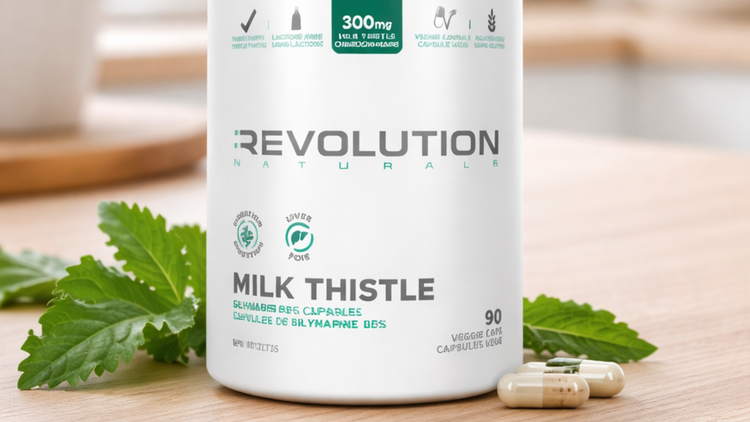
The benefits of milk thistle extend beyond its anti-inflammatory and antioxidant properties. One of the most well-known advantages of milk thistle is its ability to support liver health. The liver plays a crucial role in detoxifying the body, processing nutrients, and regulating various metabolic processes. By protecting liver cells from damage and promoting their regeneration, milk thistle helps maintain optimal liver function, which is essential for overall health and well-being.
In addition to liver support, milk thistle can provide relief for individuals suffering from chronic inflammatory conditions such as arthritis. Arthritis is characterized by inflammation of the joints, leading to pain, stiffness, and reduced mobility. By reducing inflammatory markers and oxidative stress, milk thistle can help alleviate symptoms and improve the quality of life for those affected by arthritis.
Milk thistle also shows promise in supporting cardiovascular health. Chronic inflammation and oxidative stress are major contributors to cardiovascular diseases, including atherosclerosis, hypertension, and heart failure. By mitigating these factors, milk thistle can help protect against cardiovascular damage and promote heart health. Furthermore, research suggests that silymarin may improve lipid profiles by reducing LDL cholesterol and increasing HDL cholesterol, which are important for maintaining a healthy cardiovascular system.
Understanding how milk thistle works on a cellular level provides deeper insights into its therapeutic potential. At the cellular level, silymarin exerts its effects through various mechanisms. One key mechanism is its ability to stabilize cell membranes. By doing so, silymarin protects cells from damage caused by toxins and free radicals. This membrane-stabilizing effect is particularly important for liver cells, which are constantly exposed to toxins and metabolic byproducts.
Silymarin also enhances the activity of enzymes involved in detoxification processes. These enzymes, such as superoxide dismutase (SOD), catalase, and glutathione peroxidase, play a critical role in neutralizing reactive oxygen species (ROS) and other harmful compounds. By boosting the activity of these enzymes, silymarin helps to reduce oxidative stress and protect cells from damage.
Another important cellular mechanism of silymarin is its ability to modulate signaling pathways involved in inflammation and cell survival. For instance, silymarin can inhibit the activation of mitogen-activated protein kinases (MAPKs), which are involved in the production of pro-inflammatory cytokines. Additionally, silymarin can activate the nuclear factor erythroid 2–related factor 2 (Nrf2) pathway, which regulates the expression of antioxidant and cytoprotective genes. By activating Nrf2, silymarin enhances the body's defense against oxidative stress and inflammation.
When it comes to incorporating milk thistle into your wellness routine, understanding the appropriate dosage and forms is crucial. Milk thistle is available in various forms, including capsules, tablets, tinctures, and teas. The most common and effective form is standardized milk thistle extract, which contains a specific concentration of silymarin. Standardized extracts typically contain 70-80% silymarin, ensuring consistent potency and efficacy.
The recommended dosage of milk thistle can vary depending on the individual's needs and health condition. For general health maintenance and liver support, a typical dosage ranges from 200 to 400 mg of standardized milk thistle extract per day, divided into two or three doses. For individuals with liver disorders or chronic inflammatory conditions, higher dosages may be recommended, ranging from 400 to 800 mg per day. It is essential to consult with a healthcare professional before starting any new supplement regimen to determine the appropriate dosage for your specific needs.
Milk thistle can also be consumed as a tea, although the silymarin content in tea is generally lower than that in standardized extracts. To prepare milk thistle tea, steep one teaspoon of crushed milk thistle seeds in a cup of hot water for about 10-15 minutes. Drinking milk thistle tea two to three times a day can provide mild health benefits and support overall wellness.
As scientific research continues to uncover the therapeutic potential of milk thistle, its role in inflammation management and overall health is becoming increasingly recognized. With its powerful antioxidant and anti-inflammatory properties, milk thistle offers a natural and effective way to combat oxidative stress and support the body's natural healing processes.
The future of milk thistle in inflammation management looks promising, as ongoing studies continue to explore its benefits for various health conditions. As more people seek natural alternatives to conventional medications, milk thistle is likely to become a staple in wellness routines worldwide. By incorporating milk thistle into your daily regimen, you can take proactive steps toward reducing inflammation, protecting your liver, and promoting overall well-being.
In conclusion, milk thistle is a valuable ally in the fight against inflammation and oxidative stress. Whether through supplements, teas, or dietary incorporation, this powerful herb can provide numerous health benefits and support your journey toward optimal health. As with any supplement, it is essential to consult with a healthcare professional to determine the appropriate dosage and ensure it is safe for your specific needs. Embrace the healing power of milk thistle and take control of your health naturally.
Please fill in your details to start.
Hi there! 👋
I am Revolution Nutrition's customer support! How are you today?