Welcome
It looks like you are in United States (US), would you like to visit our US site?

No, keep me on Revolution Nutrition Canada

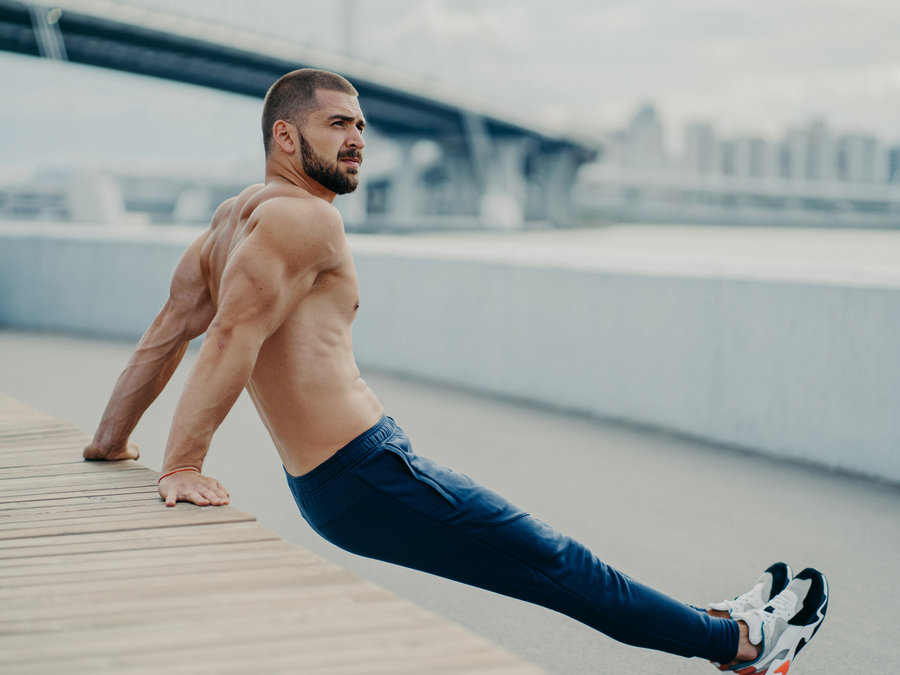
In a world where our schedules can feel overwhelming and gym time is a luxury, bodyweight exercises emerge as the ultimate solution for staying fit. Imagine sculpting and strengthening your body anywhere—from your cramped office to a bustling park—all without the need for equipment. These versatile workouts harness the power of your own body, effectively turning any space into a personal gym. Whether you’re a seasoned athlete or a beginner just starting out, bodyweight exercises offer a gateway to enhance strength, flexibility, and endurance without the constraints of a traditional workout environment. Dive into a world of fitness freedom where you can break a sweat whenever inspiration strikes, transforming everyday moments into opportunities for movement. Get ready to unleash your physical potential and discover a workout routine that adapts seamlessly to your lifestyle!
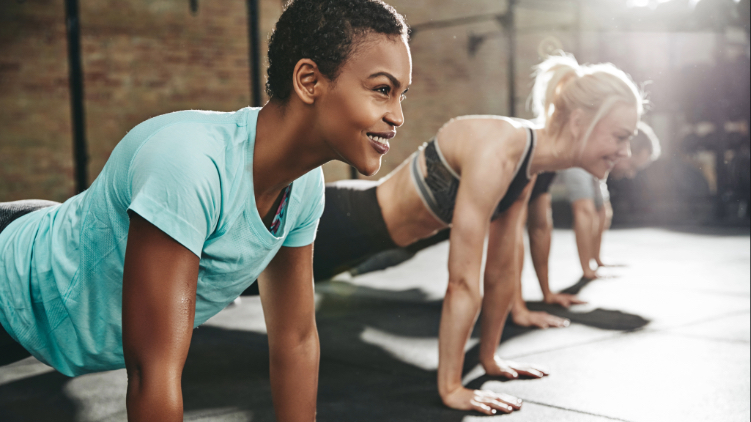
In today's fast-paced world, the ability to work out anywhere and anytime is invaluable. Bodyweight exercises offer a practical and effective solution for those who find it challenging to fit gym time into their busy schedules. One of the primary benefits of bodyweight workouts is that they require no equipment, which means you can perform them in the comfort of your home, at the office, or even while traveling. This flexibility removes the barrier of needing a gym membership or fancy equipment, making fitness more accessible to everyone. Furthermore, bodyweight exercises can be just as effective, if not more so, than traditional weight training when done correctly.
Another significant advantage of bodyweight workouts is their ability to improve functional strength. Unlike isolated weightlifting exercises that target specific muscles, bodyweight exercises often engage multiple muscle groups simultaneously. This not only enhances overall strength but also improves coordination, balance, and stability. Additionally, functional strength gained from bodyweight exercises translates well into real-life activities, making it easier to perform daily tasks and reducing the risk of injury. As a result, you build a body that is not just strong but also capable and resilient.
Bodyweight exercises also offer a unique cardiovascular benefit. Many bodyweight routines incorporate high-intensity interval training (HIIT) principles, which involve short bursts of intense activity followed by brief periods of rest. This approach elevates your heart rate, boosts your metabolism, and promotes fat loss. Moreover, because these workouts can be tailored to any fitness level, they are suitable for both beginners and seasoned athletes. The combination of strength training and cardiovascular conditioning ensures a balanced workout that enhances overall fitness and well-being.
To maximize the effectiveness of bodyweight training, it's essential to understand and apply some key principles. One of the foundational principles is progressive overload, which involves gradually increasing the difficulty of your workouts to continue making gains. This can be achieved by adding more repetitions, decreasing rest time, or advancing to more challenging variations of exercises. Progressive overload ensures that your muscles are consistently challenged, leading to continuous improvement in strength and endurance.
Another critical principle is proper form and technique. Performing exercises with correct form not only maximizes their effectiveness but also minimizes the risk of injury. It's important to focus on quality over quantity, ensuring that each movement is controlled and precise. Paying attention to body alignment, maintaining a strong core, and avoiding compensatory movements are all essential aspects of good form. Beginners should start with simpler exercises to build a solid foundation before progressing to more complex movements.
Consistency is also a key principle in bodyweight training. Like any fitness regimen, the benefits of bodyweight exercises are best realized through regular practice. Establishing a routine that fits into your lifestyle and committing to it will yield the best results. Consistency helps to build habits, improve discipline, and ensure steady progress over time. Whether it's a daily workout or a few times a week, sticking to a schedule is crucial for long-term success.
For those new to fitness or bodyweight training, starting with essential exercises that are easy to perform and build foundational strength is recommended. One of the most effective exercises for beginners is the push-up. Push-ups target the chest, shoulders, triceps, and core muscles. Beginners can start with knee push-ups or incline push-ups against a sturdy surface to build strength before progressing to standard push-ups. Proper form is crucial, so focus on maintaining a straight line from head to heels and keeping the core engaged.
Another fundamental exercise is the bodyweight squat. Squats are excellent for strengthening the lower body, including the quadriceps, hamstrings, glutes, and calves. To perform a squat, stand with feet shoulder-width apart, lower your body by bending at the hips and knees, and keep your chest up. Ensure that your knees track over your toes and avoid letting them collapse inward. Squats can be modified by using a chair for support or performing wall sits to build endurance.
The plank is an essential core exercise that beginners should incorporate into their routines. Planks strengthen the entire core, including the abdominals, obliques, and lower back. To perform a plank, start in a push-up position and hold your body in a straight line from head to heels. Engage your core, avoid sagging in the lower back, and hold the position for as long as possible. Beginners can start with shorter holds and gradually increase the duration as their strength improves.
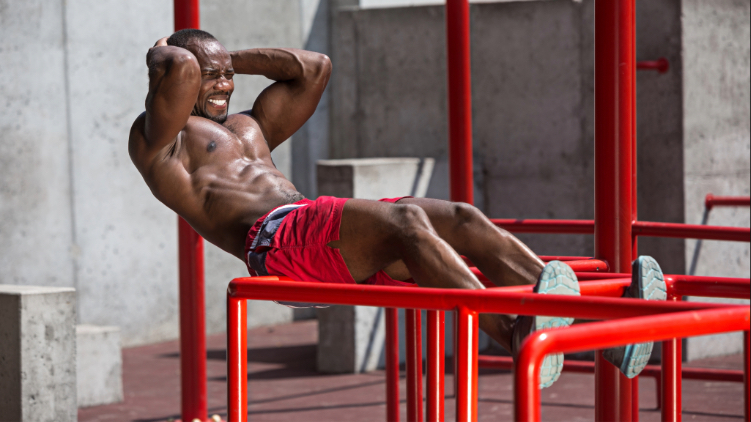
Once you've built a solid foundation with beginner exercises, it's time to challenge yourself with intermediate bodyweight exercises. The first exercise to consider is the tricep dip. Tricep dips target the triceps, shoulders, and chest. To perform this exercise, use a sturdy chair or bench. Sit on the edge, place your hands next to your hips, and lower your body by bending your elbows while keeping your back close to the chair. Push back up to the starting position and repeat. This exercise can be made more challenging by extending your legs fully.
Lunges are another excellent intermediate exercise that works the quadriceps, hamstrings, glutes, and calves. To perform a lunge, stand with your feet together, take a step forward with one leg, and lower your body until both knees form 90-degree angles. Push off the front foot to return to the starting position and repeat on the other side. Lunges can be varied by performing walking lunges, reverse lunges, or adding a jump for an additional challenge.
The bicycle crunch is an effective intermediate core exercise. To perform a bicycle crunch, lie on your back with your hands behind your head and your knees bent at a 90-degree angle. Lift your shoulders off the ground, rotate your torso, and bring your right elbow towards your left knee while extending your right leg. Switch sides and continue the motion in a pedaling pattern. This exercise targets the obliques and rectus abdominis, providing a comprehensive core workout.
For those who have mastered intermediate exercises and are looking for a greater challenge, advanced bodyweight moves can take your training to the next level. The pistol squat is a highly challenging lower body exercise that requires significant strength, balance, and flexibility. To perform a pistol squat, stand on one leg, extend the other leg forward, and lower your body into a squat position while keeping the extended leg off the ground. Push through the heel to return to the starting position. This exercise can be progressed by using a support for balance and gradually working towards a full pistol squat.
Handstand push-ups are an advanced upper body exercise that targets the shoulders, triceps, and core. To perform handstand push-ups, begin in a handstand position against a wall for support. Lower your body by bending your elbows until your head touches the ground, then push back up to the starting position. This exercise requires significant shoulder stability and strength. Beginners can start with pike push-ups to build the necessary strength before attempting full handstand push-ups.
Another advanced move is the dragon flag, a core exercise popularized by martial artist Bruce Lee. To perform a dragon flag, lie on a bench or the ground and grip a sturdy anchor point behind your head. Lift your legs and torso into a vertical position, keeping your body in a straight line. Lower your body slowly while maintaining control and avoiding any sagging in the lower back. The dragon flag is an intense exercise that requires exceptional core strength and control.
Designing an effective bodyweight workout routine involves combining exercises that target different muscle groups and incorporating principles of progressive overload and variation. A balanced routine should include exercises for the upper body, lower body, core, and cardiovascular conditioning. For beginners, a full-body routine performed three times a week is a great starting point. An example routine could include push-ups, squats, planks, and jumping jacks, with each exercise performed for three sets of 10-15 repetitions.
As you advance, you can create split routines that focus on specific muscle groups on different days, such as upper body on one day and lower body on another. This allows for greater volume and intensity in each workout. Additionally, incorporating HIIT workouts can enhance cardiovascular fitness and burn more calories in a shorter time. A HIIT routine might include exercises like burpees, mountain climbers, and high knees performed in quick succession with minimal rest.
It's essential to listen to your body and allow for adequate recovery between workouts. Rest days are crucial for muscle repair and growth. Additionally, incorporating mobility and flexibility exercises, such as yoga or dynamic stretching, can improve overall performance and reduce the risk of injury. Regularly reviewing and adjusting your routine based on progress and goals will ensure continued improvement and prevent plateaus.
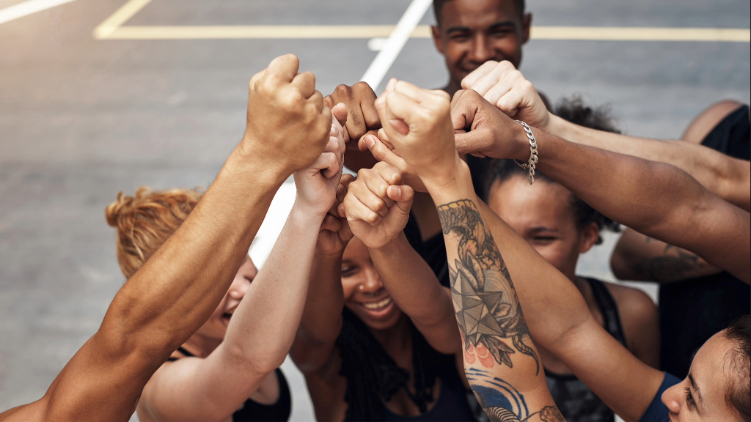
Staying motivated with bodyweight training can sometimes be challenging, especially when working out alone. One effective strategy is to set specific, achievable goals. Whether it's mastering a new exercise, increasing the number of repetitions, or improving form, having clear goals provides a sense of direction and accomplishment. Tracking your progress can also be motivating, as it allows you to see tangible improvements over time.
Another tip is to vary your workouts to keep them interesting and challenging. Incorporate different exercises, routines, and workout formats to prevent boredom and maintain enthusiasm. Joining a fitness community or finding a workout buddy can also provide accountability and support. Sharing your fitness journey with others can make the experience more enjoyable and motivating.
Finally, remember to celebrate your successes, no matter how small. Acknowledging your achievements and rewarding yourself for reaching milestones can boost motivation and reinforce positive behavior. Whether it's treating yourself to new workout gear or simply taking a moment to appreciate your progress, celebrating your hard work can help maintain your enthusiasm and commitment to bodyweight training.
Bodyweight exercises offer a versatile, effective, and convenient way to stay fit regardless of your location or schedule. By understanding the benefits, key principles, and various exercises suitable for different fitness levels, you can create a personalized workout routine that meets your needs and goals. Whether you're a beginner or a seasoned fitness enthusiast, bodyweight training provides endless opportunities for growth and improvement.
As you embark on your fitness journey, remember to stay consistent, prioritize proper form, and listen to your body. Celebrate your progress, stay motivated by setting new challenges, and avoid common mistakes to ensure a safe and effective workout experience. The beauty of bodyweight training lies in its adaptability and the ability to turn any space into your personal gym.
Take the next step in your fitness journey by exploring new exercises, adjusting your routine, and continuously challenging yourself. Embrace the freedom and flexibility that bodyweight training offers, and enjoy the physical and mental benefits that come with a commitment to regular exercise. Your body is your most valuable asset, and investing in its strength and health through bodyweight training is a decision that will pay off for years to come.
Please fill in your details to start.
Hi there! 👋
I am Revolution Nutrition's customer support! How are you today?