Welcome
It looks like you are in United States (US), would you like to visit our US site?

No, keep me on Revolution Nutrition Canada


Deciding between whey and plant protein? This guide breaks down their benefits, helping you find the best protein powder for your fitness goals.
Whey protein is derived from milk during the cheese-making process. It is a complete protein, meaning it contains all nine essential amino acids that the body cannot produce on its own. This makes whey protein an excellent option for those looking to support muscle growth and recovery. It is often favored by athletes and bodybuilders because of its high biological value, which measures how efficiently the body can utilize the protein.
There are three main types of whey protein: whey protein concentrate, whey protein isolate, and whey protein hydrolysate. Concentrate contains lower levels of fat and carbohydrates, while isolate has almost all the fat and lactose removed. Hydrolysate is pre-digested, which allows it to be absorbed more rapidly by the body. Each type has its own set of advantages depending on individual dietary needs and fitness goals.
Whey protein is not just for muscle building; it also has various health benefits. It has been shown to help with weight management, support immune function, and even reduce blood pressure. Its versatility and comprehensive amino acid profile make it a popular choice among those looking to improve their overall health and fitness levels.
Plant protein is derived from various plant sources such as peas, rice, hemp, and soy. Unlike whey protein, which is animal-based, plant protein is suitable for vegetarians and vegans. This makes it an excellent alternative for those who follow a plant-based diet or have dairy sensitivities. Plant proteins are typically hypoallergenic and easier to digest, making them a good option for individuals with food allergies or intolerances.
One of the main advantages of plant protein is its sustainability. Plant-based protein sources have a lower environmental impact compared to animal-based proteins. They require less water, land, and energy to produce, making them a more eco-friendly choice. As more people become aware of the environmental impact of their food choices, plant protein continues to gain popularity.
There are various types of plant protein powders available, each with its own unique benefits. For instance, pea protein is rich in branched-chain amino acids (BCAAs), which are essential for muscle repair and growth. Rice protein is hypoallergenic and easily digestible, while hemp protein contains omega-3 and omega-6 fatty acids, which are beneficial for heart health. By combining different plant proteins, one can achieve a complete amino acid profile similar to that of whey protein.
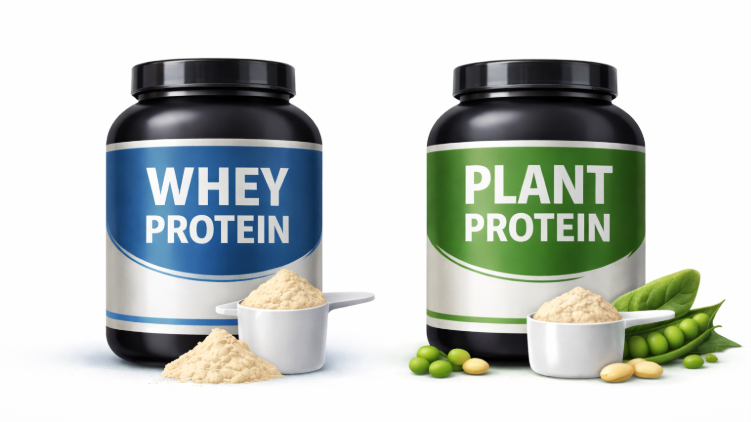
When comparing whey and plant protein, it's essential to look at their nutritional profiles. Whey protein is known for its high protein content and quick absorption rate. A typical serving of whey protein isolate contains around 90-95% protein, with minimal fat and carbohydrates. This makes it an excellent choice for those looking to increase their protein intake without adding extra calories.
On the other hand, plant protein powders vary in their protein content depending on the source. For example, pea protein typically contains around 80% protein, while rice protein contains about 70%. Although plant proteins may have a lower protein concentration compared to whey, they often come with additional nutrients such as fiber, vitamins, and minerals. These added nutrients can support overall health and well-being.
Another important factor to consider is the amino acid profile. Whey protein is a complete protein, meaning it contains all nine essential amino acids in sufficient quantities. Plant proteins, however, are often incomplete proteins, meaning they lack one or more essential amino acids. By combining different plant protein sources, such as pea and rice, one can create a complete amino acid profile that rivals that of whey protein. This is especially important for those following a plant-based diet who need to ensure they are getting all the essential amino acids.
Whey protein is renowned for its ability to support muscle growth and recovery. Its high leucine content, a branched-chain amino acid, plays a crucial role in stimulating muscle protein synthesis. This makes whey protein an ideal choice for athletes and bodybuilders looking to maximize their muscle gains. Additionally, its rapid absorption rate ensures that the amino acids are quickly delivered to the muscles, aiding in faster recovery after intense workouts.
Beyond its muscle-building properties, whey protein offers several other health benefits. Studies have shown that whey protein can help with weight management by promoting feelings of fullness and reducing overall calorie intake. Its high protein content can boost metabolism, helping the body burn more calories throughout the day. This makes whey protein a valuable tool for those looking to lose weight or maintain a healthy weight.
Whey protein also has immune-boosting properties. It contains immunoglobulins and lactoferrin, which are proteins that support the immune system. These compounds have antimicrobial and antiviral properties, helping to protect the body against infections. Furthermore, whey protein has been shown to reduce blood pressure and improve cardiovascular health, making it a beneficial addition to a heart-healthy diet.
Plant protein offers several unique benefits that make it an attractive option for many individuals. One of the primary advantages is its digestibility. Plant proteins are generally easier to digest compared to whey protein, making them a suitable choice for individuals with digestive issues or lactose intolerance. Additionally, plant proteins are hypoallergenic, meaning they are less likely to cause allergic reactions compared to animal-based proteins.
Another significant benefit of plant protein is its nutrient density. Plant protein powders often contain a variety of vitamins, minerals, and antioxidants that support overall health. For example, hemp protein is rich in omega-3 and omega-6 fatty acids, which are essential for heart health. Pea protein contains high levels of iron, which is crucial for oxygen transport and energy production. These added nutrients can provide additional health benefits beyond just protein intake.
Plant protein is also environmentally friendly. Producing plant-based protein sources requires fewer resources compared to animal-based proteins. They have a lower carbon footprint, use less water, and require less land. As more people become conscious of their environmental impact, choosing plant protein can be a more sustainable and eco-friendly option. This aligns with the growing trend towards plant-based diets and sustainable living.

Whey protein is an excellent choice for individuals who are looking to build muscle and improve their athletic performance. Its high leucine content and rapid absorption rate make it ideal for stimulating muscle protein synthesis and aiding in muscle recovery. Athletes, bodybuilders, and fitness enthusiasts who engage in intense workouts can benefit from the muscle-building properties of whey protein.
Additionally, whey protein is suitable for individuals who are looking to manage their weight. Its high protein content can promote feelings of fullness, reduce overall calorie intake, and boost metabolism. This makes it a valuable tool for those looking to lose weight or maintain a healthy weight. Its versatility and ease of use make it a convenient option for incorporating into a weight management plan.
Whey protein is also a good choice for those looking to support their immune system and overall health. Its immunoglobulins and lactoferrin content can help protect against infections and improve cardiovascular health. Individuals who are not lactose intolerant and do not follow a vegan or vegetarian diet can benefit from the comprehensive amino acid profile and health benefits of whey protein.
Plant protein is an excellent option for individuals who follow a vegan or vegetarian diet. As it is derived from plant sources, it aligns with the dietary principles of those who avoid animal products. Additionally, plant protein is suitable for individuals with lactose intolerance or dairy sensitivities, as it is free from lactose and other dairy components. This makes it a more digestible and hypoallergenic option.
Individuals who are environmentally conscious may also prefer plant protein. The production of plant-based protein sources has a lower environmental impact compared to animal-based proteins. Choosing plant protein can contribute to a more sustainable and eco-friendly lifestyle. This aligns with the growing trend towards plant-based diets and sustainable living practices.
Plant protein is also a good choice for those looking to increase their intake of vitamins, minerals, and antioxidants. Plant protein powders often contain additional nutrients that support overall health, such as omega-3 and omega-6 fatty acids, iron, and fiber. These added nutrients can provide additional health benefits beyond just protein intake. Individuals looking to improve their overall nutrition and well-being can benefit from the nutrient density of plant protein.
Deciding between whey and plant protein ultimately depends on individual dietary needs, fitness goals, and personal preferences. Both types of protein offer unique benefits and potential drawbacks that should be considered. Whey protein is an excellent choice for those looking to build muscle, manage their weight, and support their immune system. Its high protein content, rapid absorption rate, and comprehensive amino acid profile make it a popular choice among athletes and fitness enthusiasts.
On the other hand, plant protein is a suitable option for individuals who follow a vegan or vegetarian diet, have lactose intolerance or dairy sensitivities, or are environmentally conscious. Its digestibility, nutrient density, and sustainability make it an attractive choice for those looking to improve their overall health and well-being. By combining different plant protein sources, one can achieve a complete amino acid profile similar to that of whey protein.
Ultimately, the best protein powder for you is the one that aligns with your dietary needs, fitness goals, and personal preferences. Whether you choose whey or plant protein, both can support your journey towards better health and fitness. By understanding the benefits and potential drawbacks of each type, you can make an informed decision that best suits your needs.
Please fill in your details to start.
Hi there! 👋
I am Revolution Nutrition's customer support! How are you today?