Welcome
It looks like you are in United States (US), would you like to visit our US site?

No, keep me on Revolution Nutrition Canada


Wondering if you can bulk up without unwanted fat? Discover the secrets to lean bulking and how to gain muscle while maintaining a sculpted physique!

Lean bulking is a strategic approach to gaining muscle mass without accumulating excessive fat. Unlike traditional bulking, which often results in significant fat gain alongside muscle growth, lean bulking aims to optimize muscle gain while minimizing fat gain. This method is particularly appealing to those who want to enhance their physique without compromising their overall body composition.
The core idea behind lean bulking is to create a controlled calorie surplus. This means consuming more calories than your body needs to maintain its current weight, but not so many that the excess energy is stored predominantly as fat. By carefully calculating your caloric intake and focusing on nutrient-dense foods, you can provide your body with the necessary fuel to build muscle while limiting fat accumulation.
Lean bulking also involves a balanced approach to training and recovery. Strength training is emphasized to stimulate muscle growth, while adequate rest and recovery are crucial to allow muscles to repair and grow. This method requires patience and consistency, as the results may not be as rapid as traditional bulking, but the payoff is a more defined and aesthetically pleasing physique.
The first principle of lean bulking is to establish a moderate calorie surplus. This means consuming slightly more calories than your body needs for maintenance. A common recommendation is to aim for a surplus of 250-500 calories per day. This provides enough extra energy to support muscle growth without leading to excessive fat gain.
Protein intake is another critical factor in lean bulking. Protein is the building block of muscle tissue, and consuming adequate amounts is essential for muscle repair and growth. Aim for 1.2 to 2.2 grams of protein per kilogram of body weight, depending on your activity level and individual needs. High-quality protein sources include lean meats, fish, eggs, dairy products, and plant-based options like beans and lentils.
Consistency and patience are also key principles of lean bulking. Unlike traditional bulking, which may show rapid results, lean bulking requires a more measured approach. Progress may be slower, but the quality of the gains will be higher, with a more favorable muscle-to-fat ratio. Tracking your progress through measurements, photos, and strength gains can help you stay motivated and make necessary adjustments to your program.
To achieve lean bulking, it’s crucial to focus on nutrient-dense foods that provide the necessary fuel for muscle growth without contributing to excessive fat gain. Start by calculating your daily caloric needs and then add a moderate surplus to support muscle growth. This can be done using online calculators or consulting with a nutritionist.
Carbohydrates play a vital role in providing energy for your workouts and replenishing glycogen stores in your muscles. Choose complex carbohydrates such as whole grains, sweet potatoes, and fruits, which provide sustained energy and are rich in vitamins and minerals. Avoid refined sugars and processed foods, which can contribute to unwanted fat gain.
Fats are also an essential part of a lean bulking diet. Healthy fats, such as those found in avocados, nuts, seeds, and olive oil, support hormone production and overall health. Aim to get about 20-30% of your daily calories from fats. By focusing on whole, unprocessed foods and balancing your macronutrient intake, you can create a diet that supports muscle growth while minimizing fat gain.
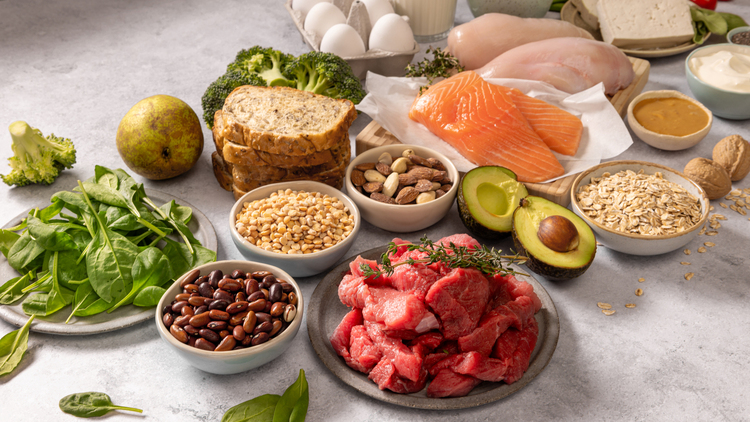
Macronutrients, or macros, are the nutrients your body needs in large amounts: protein, carbohydrates, and fats. Each macro plays a specific role in your body’s functions and energy production. Understanding how to balance these macros is crucial for a successful lean bulking diet.
Protein is the most important macro for muscle growth. It provides the amino acids necessary for muscle repair and growth. Aim for a consistent protein intake throughout the day, with each meal containing a source of high-quality protein. This helps maintain a positive nitrogen balance, which is essential for muscle hypertrophy.
Carbohydrates are your body’s primary energy source, especially during intense workouts. They also play a role in muscle recovery by replenishing glycogen stores. Include a variety of complex carbohydrates in your diet to provide sustained energy and support your training. Timing your carb intake around your workouts can also enhance performance and recovery.
Fats are essential for hormone production and overall health. They also provide a concentrated source of energy. Include healthy fats in your diet, such as those from avocados, nuts, seeds, and fatty fish. Balancing your fat intake with your protein and carbohydrate intake ensures that you get a well-rounded diet that supports lean bulking.
Resistance training is the cornerstone of any lean bulking program. Focus on compound movements that work multiple muscle groups, such as squats, deadlifts, bench presses, and pull-ups. These exercises stimulate the most muscle growth and provide the best return on your investment in the gym.
Progressive overload is a key principle in resistance training. Continuously challenging your muscles by increasing the weight, reps, or sets over time ensures that your muscles are consistently stressed and forced to adapt. This leads to muscle growth and strength gains. Track your workouts and aim to make incremental improvements each week.
Rest and recovery are just as important as your training sessions. Muscles grow during periods of rest, not during the actual workout. Ensure you get adequate sleep and consider incorporating rest days into your training program. Active recovery, such as light cardio or stretching, can also aid in muscle recovery and overall performance.
One common mistake during lean bulking is not tracking your progress. Without monitoring your weight, measurements, and strength gains, it’s challenging to know if your program is effective. Regularly tracking your progress allows you to make necessary adjustments to your diet and training to stay on track.
Another mistake is consuming too many calories. While a calorie surplus is necessary for muscle growth, excessive calorie intake can lead to unwanted fat gain. Calculate your caloric needs accurately and avoid the temptation to overeat. Focus on nutrient-dense foods that support muscle growth without contributing to fat gain.
Neglecting recovery is another common pitfall. Intense training sessions are essential for muscle growth, but without adequate rest, your muscles won’t have the opportunity to repair and grow. Ensure you get enough sleep, incorporate rest days, and listen to your body’s signals to avoid overtraining and injuries.
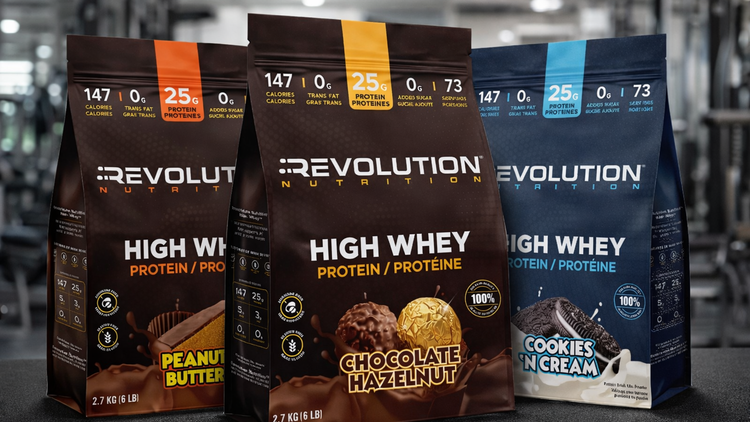
While whole foods should be the foundation of your diet, supplements can provide additional support for lean bulking. Protein powders, such as whey or plant-based options, are convenient for meeting your daily protein needs. They can be especially useful post-workout when your body requires quick protein for muscle repair.
Creatine is another popular supplement that can enhance muscle growth and performance. It helps increase strength, power, and muscle mass by improving energy production during high-intensity workouts. Creatine is well-researched and safe for most people when used as directed.
Branched-chain amino acids (BCAAs) can also support muscle growth and recovery. They are particularly beneficial during workouts, as they can reduce muscle soreness and fatigue. BCAAs are found in protein-rich foods, but taking them as a supplement can provide an extra boost during intense training periods.
Lean bulking is a viable and effective approach to gaining muscle while minimizing fat gain. By understanding the principles of lean bulking, including the importance of a moderate calorie surplus, balanced macronutrient intake, and consistent resistance training, you can achieve your muscle-building goals without the unwanted side effect of excessive fat gain.
Remember, patience and consistency are key. Lean bulking may take longer than traditional bulking, but the quality of the gains and the improved body composition are well worth the effort. Track your progress, make necessary adjustments, and stay committed to your program. With the right approach, you can achieve a sculpted and muscular physique that reflects your hard work and dedication.
Please fill in your details to start.
Hi there! 👋
I am Revolution Nutrition's customer support! How are you today?