Welcome
It looks like you are in United States (US), would you like to visit our US site?

No, keep me on Revolution Nutrition Canada


Collagen has taken the health and wellness world by storm, celebrated for its remarkable benefits for skin, joints, and overall vitality. As we age, our body's natural collagen production diminishes, leading to signs of aging and discomfort. This begs the question: how much collagen should you take to reap its full rewards? In this ultimate guide, we'll unravel the mysteries of collagen supplementation, breaking down optimal dosages tailored for your unique needs.
Whether you're aiming to elevate your skincare routine, improve joint mobility, or simply boost your overall health, understanding the optimal amount of collagen can make all the difference. Join us as we explore the best practices for integrating collagen into your daily regimen, ensuring you maximize its potential for radiant skin and resilient joints. Your journey to optimal health starts with the proper knowledge—let's dive in!

Collagen is well-known for its benefits to skin health. Taking collagen supplements may help improve skin elasticity, hydration, and texture, thereby reducing the appearance of fine lines and wrinkles. As we age, natural collagen production declines, leading to a loss of skin firmness and elasticity, which can result in sagging and visible signs of aging. By supplementing with collagen, you can help restore a more youthful appearance and support overall skin health. Research suggests that collagen peptides can enhance skin moisture and strengthen the skin's barrier, contributing to a more radiant and healthy-looking complexion.
Collagen also plays a crucial role in maintaining joint health. It's a significant part of cartilage—the flexible tissue that cushions joints and supports smooth movement. Over time, or with repetitive strain, cartilage can break down, leading to discomfort and stiffness. Collagen supplements may help protect and rebuild this tissue, easing joint pain and enhancing mobility. Studies have shown that collagen may help alleviate symptoms of conditions such as osteoarthritis and rheumatoid arthritis, making it a valuable option for individuals experiencing joint-related issues.
Beyond skin and joint health, collagen offers numerous benefits for overall health. It supports the structure and function of the digestive system by strengthening the gut lining, which can prevent digestive issues and promote nutrient absorption. Collagen also contributes to muscle mass and strength, making it beneficial for athletes and those looking to maintain muscle health. Additionally, collagen has been linked to better bone health, as it provides the framework for bone formation and helps maintain bone density. Overall, collagen supplements can enhance various aspects of health, making them a valuable addition to your wellness routine.
Determining the optimal dosage of collagen depends on several factors, including age, health status, and lifestyle. As we age, our body's ability to produce collagen naturally decreases, which means older individuals may require higher doses of collagen supplements to achieve the desired effects. Younger individuals, on the other hand, may need lower doses to maintain their collagen levels and support skin and joint health. It is essential to consider your age when determining the appropriate collagen dosage to ensure you are getting enough to meet your body's needs.
Health status is another critical factor that influences collagen dosage. Individuals with specific health conditions, such as osteoarthritis or rheumatoid arthritis, may benefit from higher doses of collagen to alleviate symptoms and support joint health. Similarly, individuals with digestive issues or compromised gut health may require more collagen to repair and strengthen their gut lining. It is essential to consult with a healthcare professional to determine the correct dosage based on your health status and needs.
Lifestyle choices, including diet and physical activity, also play a role in determining collagen dosage. A diet rich in collagen-boosting foods, such as bone broth, fish, and leafy greens, can complement collagen supplements and potentially reduce the need for a higher dosage. Conversely, a diet lacking in essential nutrients may necessitate higher doses of collagen. Additionally, individuals who engage in high-impact sports or strenuous physical activities may need more collagen to support muscle recovery and joint health. By considering these factors, you can tailor your collagen intake to suit your unique lifestyle and health goals.
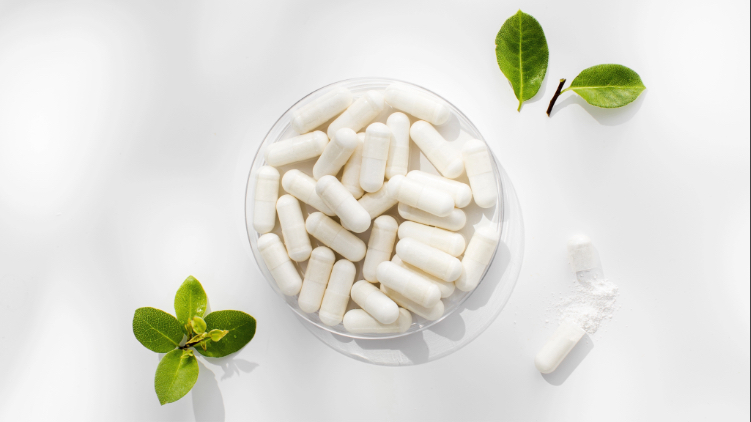
The ideal daily collagen intake depends on your specific health goals and objectives. For general skin health and anti-aging effects, research suggests that 2.5 to 10 grams of collagen peptides per day can be effective. This range has been linked to improvements in skin elasticity, hydration, and overall appearance.
If you're aiming to support joint function or ease joint discomfort, studies recommend a slightly higher dose—typically between 10 and 15 grams daily. This amount may help reduce inflammation and support the repair of joint tissues.
For those focused on increasing muscle mass and strength—especially athletes or older adults—a daily intake of 15 to 20 grams may be beneficial. At this level, collagen can aid in muscle recovery, improve strength, and support physical performance.
However, individual needs can vary based on factors like body weight, activity level, and health conditions. It's often best to begin with a lower dose and adjust as needed, paying attention to how your body responds.
Research also highlights the importance of consistency in collagen supplementation. Taking collagen daily over an extended period is crucial to achieving and maintaining the desired benefits. While some effects, such as improved skin hydration, may be noticeable within a few weeks, other benefits, like reduced joint pain and increased muscle strength, may take several months to become evident. Therefore, it is essential to be patient and consistent with your collagen intake to maximize its potential benefits.
Incorporating collagen into your daily routine can be enjoyable and straightforward with a few creative strategies. One of the easiest ways to incorporate collagen into your diet is by adding collagen powder to your morning beverages. Whether you prefer coffee, tea, or a smoothie, adding a scoop of collagen powder can boost your protein intake and support your skin and joint health. For those who enjoy baking or cooking, collagen powder can be added to recipes such as pancakes, muffins, soups, and sauces, making it a versatile addition to your meals.
Another effective way to incorporate collagen is by taking collagen capsules or tablets as part of your daily
supplement regimen. Setting a specific time each day, such as with breakfast or before bed, can help you establish a consistent routine. Additionally, you can explore collagen-infused products, such as protein bars, snacks, and drinks, that can be conveniently consumed on the go. These products are beneficial for busy individuals who may not have time to prepare collagen-rich meals or beverages.
For those who prefer a more natural approach, focusing on collagen-boosting foods can complement your supplementation efforts. Foods rich in vitamin C, such as citrus fruits, berries, and leafy greens, can enhance collagen synthesis in the body. Bone broth, fish, and lean meats are also excellent sources of collagen and can be incorporated into your diet to support overall health and well-being. By combining collagen supplements with a nutrient-dense diet, you can maximize the benefits and ensure you are getting enough collagen to meet your body's needs.

Choosing the right collagen supplement requires careful consideration to make sure it aligns with your health goals and personal preferences. Start by identifying what you want to achieve—whether it's healthier skin, stronger joints, or overall wellness. This can guide you toward the most appropriate type and dosage. For instance, marine collagen is often preferred for improving skin appearance, while bovine collagen supports both skin and joint health.
It's also essential to evaluate the quality and source of the supplement. Opt for trusted brands that are transparent about where and how their collagen is produced. Look for products made from grass-fed, pasture-raised, or wild-caught animals to reduce the risk of unwanted additives or contaminants. Checking for third-party testing and quality certifications can also give you confidence in the product's safety, purity, and effectiveness.
Consider the form of collagen that best fits your lifestyle and preferences. Collagen powders offer versatility and higher dosages per serving, making them suitable for those who want to incorporate collagen into their meals and beverages. Capsules and tablets provide convenience and consistency for individuals with busy schedules. If you prefer ready-to-consume options, look for collagen-infused products, such as protein bars and drinks. By taking these factors into account, you can choose a collagen supplement that aligns with your health goals and seamlessly fits into your daily routine.
Understanding the optimal dosage of collagen is crucial for reaping its full benefits for the skin, joints, and overall health. By considering factors such as age, health status, and lifestyle, you can tailor your collagen intake to meet your specific needs. Research suggests that daily doses of collagen, ranging from 2.5 to 20 grams, can effectively support various health goals, including improving skin elasticity, alleviating joint pain, and enhancing muscle strength. Consistency in supplementation is crucial to achieving and maintaining these benefits.
Please fill in your details to start.
Hi there! 👋
I am Revolution Nutrition's customer support! How are you today?