Welcome
It looks like you are in United States (US), would you like to visit our US site?

No, keep me on Revolution Nutrition Canada

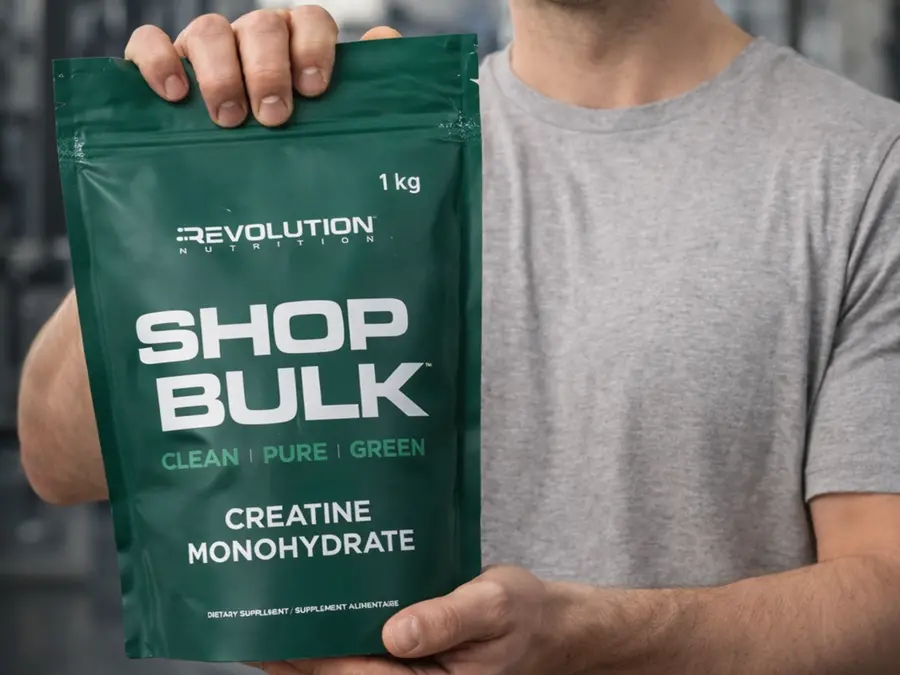
Unlock your fitness potential with creatine! Discover what to expect in the first 30 days and how this powerful supplement can elevate your performance.
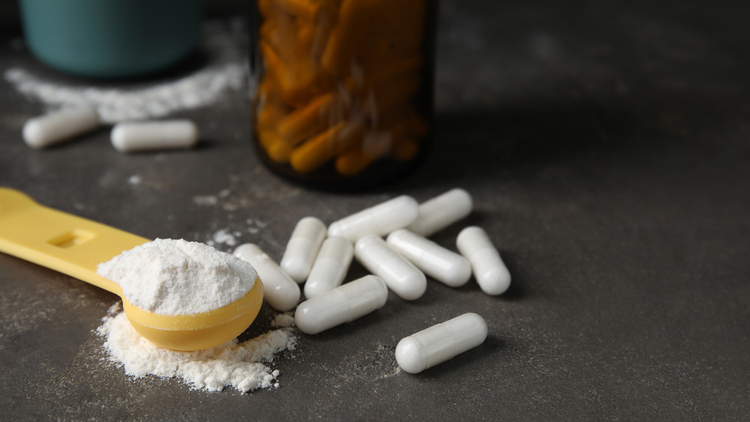
Creatine is one of the most researched and effective supplements available for enhancing athletic performance and muscle growth. When you first start taking creatine, you might be curious about the benefits you can expect. One of the primary advantages is its ability to increase the production of adenosine triphosphate (ATP), the energy currency of the cell. This boost in ATP can lead to improved performance in high-intensity, short-duration activities such as weightlifting, sprinting, and high-intensity interval training (HIIT).
Another significant benefit of creatine supplementation is enhanced muscle growth. Creatine draws water into your muscle cells, increasing cellular hydration. This process not only makes your muscles appear fuller but also creates an environment conducive to muscle protein synthesis, leading to increased muscle mass over time. If your goal is to build muscle, creatine can be a valuable addition to your regimen.
Additionally, creatine has been shown to aid in recovery. It helps reduce muscle cell damage and inflammation following exhaustive exercise. This means that you can train harder and more frequently without suffering from prolonged soreness or fatigue. With these benefits, it's clear why creatine is a staple in the supplement arsenal of both amateur and professional athletes.
When it comes to choosing a creatine supplement, you'll quickly realize that there are several different types available on the market. Each type has its own set of benefits and potential drawbacks, so it's important to choose the one that best aligns with your goals and preferences. The most common and well-researched form of creatine is creatine monohydrate. This type is known for its effectiveness and affordability, making it a popular choice for many athletes and fitness enthusiasts.
Another option is creatine hydrochloride (HCL), which is known for its increased solubility and absorption. Because it dissolves more easily in water, some users find it easier on the stomach compared to creatine monohydrate. However, it tends to be more expensive. There's also creatine ethyl ester, which is claimed to be more efficiently absorbed by the body, though research on its effectiveness is less conclusive compared to monohydrate.
Other forms include buffered creatine, liquid creatine, and creatine magnesium chelate. Buffered creatine is designed to reduce the breakdown of creatine in the stomach, potentially leading to better absorption. Liquid creatine offers convenience but may be less stable over time. Creatine magnesium chelate combines creatine with magnesium to potentially offer better absorption and additional benefits like improved muscle function. Ultimately, the right type of creatine for you will depend on your specific needs and how your body responds to different formulations.
Proper dosing is crucial to maximizing the benefits of creatine supplementation. The most common approach involves a loading phase followed by a maintenance phase. During the loading phase, you typically consume 20 grams of creatine per day, divided into four 5-gram doses, for 5-7 days. This helps to quickly saturate your muscle stores with creatine. After the loading phase, you transition to a maintenance dose of 3-5 grams per day.
It's also possible to skip the loading phase and start directly with the maintenance dose. While this approach takes longer to fully saturate your muscles with creatine, it can be just as effective in the long run. Simply take 3-5 grams of creatine daily, and you'll begin to notice the benefits within a few weeks.
Timing your creatine intake can also make a difference. While some people prefer taking creatine pre-workout for an immediate energy boost, others find it more effective post-workout when their muscles are primed for nutrient uptake. There's evidence to support both methods, so you may want to experiment to see what works best for you. Regardless of when you take it, consistency is key for achieving optimal results.

As you begin your creatine supplementation journey, it's natural to wonder what changes you might experience in the first week. During this initial phase, especially if you're undergoing a loading phase, you may notice a rapid increase in muscle hydration. This can make your muscles feel fuller and more pumped, which is often a motivating early sign of progress.
You might also experience an increase in energy levels and improved performance during your workouts. This is due to the elevated ATP production facilitated by creatine. Activities that require short bursts of intense energy, such as lifting weights or sprinting, may feel slightly easier, allowing you to push yourself harder and potentially achieve more significant gains.
It's also worth noting that some individuals report mild gastrointestinal discomfort during the first week. This can include symptoms like bloating or stomach cramps, particularly if you're taking higher doses during the loading phase. If you experience these issues, try splitting your doses into smaller, more frequent servings or consider switching to a different form of creatine. Generally, these symptoms are temporary and should subside as your body adjusts.
As you move into weeks two through four of your creatine supplementation, you'll likely start to notice more substantial changes in your performance and physique. By this point, your muscle creatine stores should be well-saturated, leading to more pronounced improvements in strength and power. You may find that you're able to lift heavier weights, perform more reps, or run faster sprints.
In addition to these performance enhancements, you might also observe changes in your muscle mass and overall body composition. Creatine's role in promoting muscle protein synthesis can lead to noticeable muscle growth over time. This is especially true if you're following a consistent strength training program and maintaining a protein-rich diet. Your muscles may appear fuller and more defined as a result.
Recovery is another area where you'll likely see benefits. Creatine helps reduce muscle cell damage and inflammation, which means you can recover more quickly between workouts. This enables you to train harder and more frequently, further accelerating your progress. Overall, the second to fourth weeks of creatine supplementation are often marked by significant and encouraging improvements.
To get the most out of your creatine supplementation, it's essential to pay attention to your nutrition and hydration. Creatine works best when your body is in an anabolic state, which means you need to provide it with the necessary nutrients to support muscle growth and recovery. A balanced diet rich in protein, carbohydrates, and healthy fats is crucial.
Protein is particularly important as it provides the building blocks for muscle repair and growth. Aim for a daily protein intake of around 1.6 to 2.2 grams per kilogram of body weight, depending on your activity level and goals. Carbohydrates are also vital for replenishing glycogen stores and providing energy for your workouts. Complex carbs like whole grains, fruits, and vegetables should make up a significant portion of your diet.
Hydration is equally important when taking creatine. Because creatine draws water into your muscle cells, it's essential to drink plenty of fluids throughout the day to stay hydrated. Aim for at least 3-4 liters of water daily, especially if you're engaging in intense physical activity. Proper hydration not only supports the effectiveness of creatine but also helps prevent potential side effects like cramps and dehydration.
Creatine is a powerful and well-researched supplement that can provide numerous benefits for athletes and fitness enthusiasts. From increased strength and power to enhanced muscle growth and improved recovery, creatine can significantly elevate your performance. However, it's essential to choose the right type of creatine, dose it properly, and maintain a balanced diet and hydration to maximize its effects.
While creatine is generally safe for most people, it's crucial to be aware of potential side effects and manage them appropriately. If you have any pre-existing health conditions or concerns, it's always a good idea to consult with a healthcare professional before starting any new supplement regimen.
Ultimately, whether creatine is right for you depends on your individual goals and needs. If you're looking to improve your athletic performance, build muscle, or enhance your recovery, creatine can be a valuable addition to your supplement arsenal. By understanding what to expect in the first 30 days and taking the necessary steps to optimize your results, you can unlock your full fitness potential with creatine.
Please fill in your details to start.
Hi there! 👋
I am Revolution Nutrition's customer support! How are you today?