Welcome
It looks like you are in United States (US), would you like to visit our US site?

No, keep me on Revolution Nutrition Canada

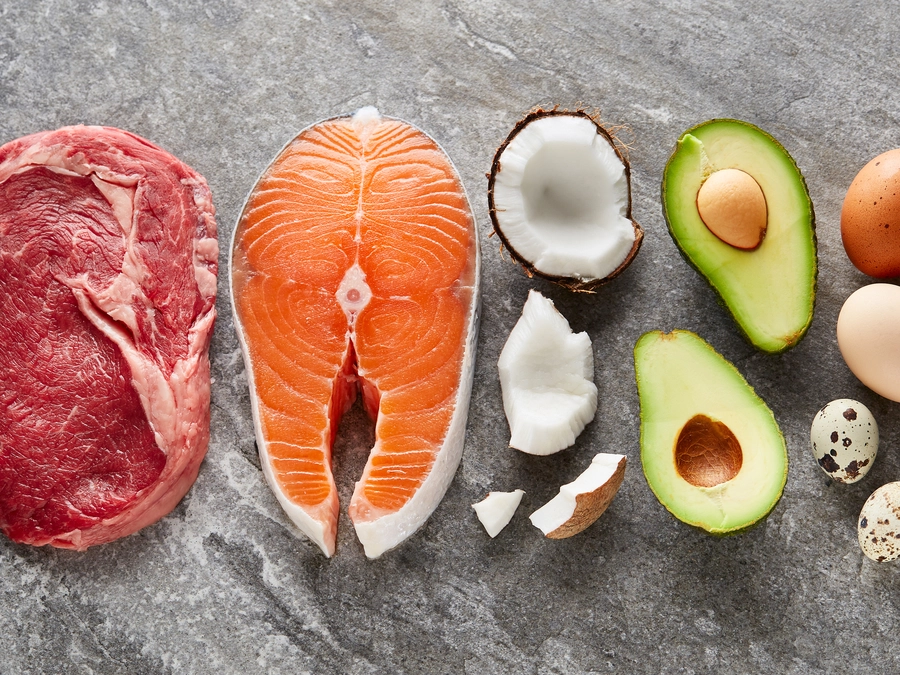

The Carnivore Diet and the Keto Diet both fall under the low-carb umbrella, but they operate on very different principles and guidelines. The Carnivore Diet, as its name implies, is an all-meat diet, advocating for the consumption of animal products exclusively. This means that those who follow the Carnivore Diet eat beef, chicken, pork, fish, and other meats, along with animal-based products like eggs and some dairy. The primary idea is to eliminate all plant-based foods, thereby reducing carbohydrate intake to virtually zero. Proponents believe that this approach simplifies eating habits and maximizes nutrient intake from animal sources.
In contrast, the Keto Diet allows for a wider variety of foods but emphasizes macronutrient ratios that promote ketosis—a metabolic state where the body burns fat for fuel instead of carbohydrates. The classic ketogenic macronutrient split is roughly 70-75% fat, 20-25% protein, and 5-10% carbohydrates. While meat and animal products are significant components of the diet, it also includes plant-based fats like avocados, nuts, and oils, as well as low-carb vegetables. The Keto Diet requires careful tracking of food intake to ensure that the body remains in ketosis, a state that is believed to promote fat loss and stabilize blood sugar levels.
Another key difference between the two diets is their approach to fiber. The Carnivore Diet eliminates fiber altogether because it excludes plant foods. This can be a controversial aspect, as fiber is traditionally considered essential for gut health. On the other hand, the Keto Diet allows for fiber intake through low-carb vegetables and some nuts and seeds. This means that while both diets are low-carb, the Keto Diet tends to be more balanced in terms of nutrient intake, allowing for a more diverse range of vitamins and minerals from various food sources.
When it comes to the nutritional profiles of these diets, the Carnivore Diet is extremely high in protein and fat but lacks carbohydrates entirely. This diet primarily consists of red meat, poultry, fish, and animal fats. Because it excludes all plant-based foods, it also excludes many common sources of vitamins and minerals, such as fruits, vegetables, and grains. As a result, those on the Carnivore Diet must rely heavily on animal products to provide essential nutrients like B vitamins, iron, zinc, and omega-3 fatty acids. However, the complete absence of carbohydrates might make it challenging to obtain sufficient amounts of certain vitamins like C and E, which are abundant in plant foods.
On the other hand, the Keto Diet offers a more varied nutritional profile. While it still emphasizes high fat and moderate protein intake, it does allow for a small percentage of carbohydrates. These carbs usually come from low-carb vegetables like spinach, kale, and broccoli, as well as some nuts and seeds. This inclusion allows for a more comprehensive intake of vitamins and minerals. Additionally, the fats consumed on the Keto Diet are more varied, including both animal fats and plant-based fats like coconut oil, olive oil, and avocados. This variety can provide a broader spectrum of fatty acids, including both saturated and unsaturated fats.
Both diets share a common goal of reducing carbohydrate intake to improve metabolic health, but they achieve this in very different ways. The Carnivore Diet is extremely restrictive, focusing solely on animal-based foods, which can simplify meal planning but might lead to nutrient deficiencies if not carefully managed. The Keto Diet, while still restrictive, offers more flexibility and a broader range of nutrients, making it potentially easier to sustain over the long term. However, it requires careful planning and monitoring to ensure one remains in ketosis, which can be a complex and time-consuming process.
One of the most touted benefits of the Carnivore Diet is its simplicity. By eliminating all plant-based foods, this diet removes many of the common allergens and anti-nutrients that some people believe contribute to health issues. For example, those with sensitivities to gluten, lectins, or oxalates may find relief from symptoms like bloating, inflammation, and digestive discomfort. This diet's elimination approach can serve as a form of an elimination diet, helping individuals identify foods that may be causing adverse reactions without the need for complex food logging and tracking.
Another significant benefit is the potential for improved mental clarity and focus. Many people on the Carnivore Diet report enhanced cognitive function, likely due to the stable blood sugar levels maintained by a zero-carb intake. The diet's high-fat content, particularly from sources rich in omega-3 fatty acids like fish and grass-fed beef, may also support brain health. Additionally, the absence of sugar and processed foods can reduce inflammation and oxidative stress, which are linked to cognitive decline and mental health disorders such as depression and anxiety.
Weight loss is another commonly reported benefit of the Carnivore Diet. By consuming high amounts of protein and fat, individuals often experience increased satiety, leading to reduced overall calorie intake. Protein is also known to have a high thermic effect, meaning that the body burns more calories digesting protein compared to fats and carbohydrates. This can result in a more efficient metabolism and a higher rate of fat loss. Moreover, the diet's restrictive nature minimizes the temptation to indulge in high-calorie, nutrient-poor foods, making it easier for some people to adhere to their weight loss goals.

The Keto Diet is renowned for its ability to promote rapid and sustained weight loss. By shifting the body's primary fuel source from carbohydrates to fats, individuals can tap into stored fat reserves more efficiently. This metabolic state, known as ketosis, encourages the body to burn fat for energy, leading to significant reductions in body fat percentage. Additionally, the high-fat, moderate-protein nature of the diet helps to curb hunger and reduce overall calorie intake, making it easier for people to stick to their weight loss plans without feeling deprived.
Another significant benefit of the Keto Diet is its impact on blood sugar and insulin levels. By drastically reducing carbohydrate intake, the diet helps to stabilize blood sugar levels and improve insulin sensitivity. This can be particularly beneficial for individuals with type 2 diabetes or prediabetes, as it may help to lower blood sugar levels and reduce the need for medication. Many people following the Keto Diet report improved energy levels and reduced fatigue, which can be attributed to the more stable blood sugar levels and the body's efficient use of fat for fuel.
The diet also boasts potential neuroprotective benefits. Emerging research suggests that ketosis may have therapeutic effects on neurological conditions such as epilepsy, Alzheimer's disease, and Parkinson's disease. The brain's preferred fuel source in ketosis, ketone bodies, are believed to have anti-inflammatory and neuroprotective properties. For individuals with epilepsy, the Keto Diet has been used as a therapeutic intervention for nearly a century, significantly reducing seizure frequency in many cases. These neuroprotective benefits have sparked interest in the diet as a potential treatment for other neurological conditions as well.
Choosing between the Carnivore Diet and the Keto Diet ultimately depends on individual health goals, preferences, and lifestyle factors. For those who prefer simplicity and have specific food sensitivities or allergies, the Carnivore Diet may be an appealing option. Its all-meat approach eliminates many common allergens and anti-nutrients, which can help individuals with digestive issues, autoimmune conditions, or inflammatory concerns. However, it's crucial to be mindful of potential nutrient deficiencies and to consider supplementing with essential vitamins and minerals that are lacking in an all-meat diet.
The Keto Diet may be a better fit for individuals who seek a more balanced approach to low-carb eating. With its allowance for a variety of foods, including healthy fats, low-carb vegetables, and some fruits, the Keto Diet can provide a broader range of nutrients and may be easier to sustain long-term. This diet is particularly beneficial for those looking to manage blood sugar levels, improve insulin sensitivity, and support neurological health. However, the Keto Diet does require careful planning and monitoring to maintain ketosis, which can be a barrier for some individuals.
It's also important to consider personal preferences and lifestyle factors when choosing a diet. The Carnivore Diet's restrictive nature may not be suitable for those who enjoy a diverse range of foods or social eating. On the other hand, the Keto Diet's flexibility allows for more variety and can be adapted to different cultural and culinary preferences. Both diets can be effective for weight loss and improved metabolic health, but adherence and sustainability are key factors in determining long-term success.
Before embarking on either diet, it's advisable to consult with a healthcare professional or a registered dietitian. They can provide personalized guidance, help identify potential risks, and recommend appropriate supplements if needed. It's also essential to listen to your body and make adjustments as necessary. Both the Carnivore and Keto Diets can offer significant health benefits, but they are not one-size-fits-all solutions. By considering your unique health needs, preferences, and lifestyle, you can make an informed decision that supports your overall well-being.
In the debate between the Carnivore Diet and the Keto Diet, there is no definitive answer as to which is superior. Both diets offer unique benefits and come with their own set of challenges. The Carnivore Diet's simplicity and focus on animal-based nutrition can be appealing for those seeking to eliminate common allergens and simplify their eating habits. However, its restrictive nature and potential for nutrient deficiencies necessitate careful consideration and monitoring.
The Keto Diet, with its broader range of food options and focus on macronutrient balance, offers a more flexible approach to low-carb eating. Its potential benefits for weight loss, blood sugar management, and neurological health make it an attractive option for many people. However, the need for meticulous planning and tracking to maintain ketosis can be a hurdle for some individuals.
Ultimately, the decision between the Carnivore Diet and the Keto Diet should be based on individual health goals, preferences, and lifestyle factors. Consulting with healthcare professionals, such as registered dietitians or nutritionists, can provide valuable guidance and help ensure that the chosen diet is safe, effective, and sustainable. By making an informed choice and listening to your body's needs, you can embark on a dietary journey that supports your overall health and well-being.
Please fill in your details to start.
Hi there! 👋
I am Revolution Nutrition's customer support! How are you today?