Welcome
It looks like you are in United States (US), would you like to visit our US site?

No, keep me on Revolution Nutrition Canada


Every athlete strives for peak performance, but unlocking your true potential requires more than just hard work and dedication. Enter muscle activation techniques—powerful strategies that can enhance your training, improve your strength, and prevent injuries. Whether you're a seasoned competitor or just starting your fitness journey, these five muscle activation techniques are essential for optimizing your workouts and ensuring your muscles are firing on all cylinders. By understanding and implementing these methods, you can engage your muscles more effectively, elevate your performance levels, and achieve your goals faster. Get ready to transform your training routine and take the first step towards unlocking your athletic potential!

Muscle activation is a fascinating and critical aspect of athletic performance that often goes unnoticed by many athletes. It involves the process of engaging your muscles in a way that prepares them for action, ensuring they respond effectively during workouts or competitions. Proper muscle activation ensures that the right muscles are firing at the right times, which leads to better performance, increased strength, and reduced risk of injury. Without adequate muscle activation, you might find that certain muscles are underutilized while others are overcompensating, leading to imbalances and potential injuries.
The human body is designed to move in a coordinated manner, with muscles working together in synergy. However, modern lifestyles that involve prolonged sitting and minimal physical activity can lead to poor posture and muscle imbalances. This is where muscle activation techniques come into play. By focusing on these techniques, you can correct these imbalances, improve your movement patterns, and ensure that your muscles are ready to perform at their best.
Understanding muscle activation also means recognizing the importance of the neuromuscular system—the connection between your nervous system and muscles. Effective muscle activation relies on this communication system to send signals from the brain to the muscles, instructing them to contract and relax. By practicing specific activation techniques, you can enhance this neuromuscular communication, leading to more efficient and controlled movements. This foundation sets the stage for the subsequent techniques discussed in this article.
For athletes, muscle activation is not just a supplementary practice; it is a crucial element of their training regimen. Proper muscle activation can make the difference between a good performance and a great one. When muscles are activated correctly, they are primed for action, leading to more powerful and efficient movements. This is particularly important in sports where explosive power and quick reactions are essential, such as sprinting, weightlifting, and team sports like football or basketball.
In addition to enhancing performance, muscle activation plays a significant role in injury prevention. When muscles are not properly activated, it can lead to compensatory movements where other muscles or joints take on more stress than they are designed to handle. Over time, this can result in overuse injuries, strains, or even more severe conditions. By ensuring that the right muscles are engaged, athletes can distribute the load more evenly across their bodies, reducing the risk of injury.
Another critical aspect of muscle activation is its impact on recovery. After intense training or competition, activated muscles are better prepared for the demands placed on them, which can lead to quicker recovery times. This is because well-activated muscles are more efficient in removing metabolic waste products and delivering nutrients needed for repair. As a result, athletes who incorporate muscle activation into their routines often find that they can train more frequently and at higher intensities without experiencing the same level of fatigue or soreness.
Dynamic stretching is one of the most effective ways to activate your muscles before engaging in physical activity. Unlike static stretching where you hold a stretch for a prolonged period, dynamic stretching involves continuous movement through a joint's full range of motion. This technique not only helps to warm up your muscles but also improves flexibility, coordination, and balance. It’s an excellent way to prepare your body for the demands of any athletic performance.
One of the key benefits of dynamic stretching is increased blood flow to the muscles. As you perform these movements, your heart rate elevates, and blood circulation improves, delivering oxygen and essential nutrients to your muscles. This heightened blood flow helps to increase muscle temperature, making them more pliable and less prone to injury. Additionally, dynamic stretching can enhance the neuromuscular communication between your brain and muscles, ensuring that they are ready to fire when needed.
Some effective dynamic stretching exercises include leg swings, arm circles, walking lunges, and high knees. Each of these movements targets different muscle groups, helping to activate and prepare them for more intense physical activity. For instance, leg swings can help loosen up your hip flexors and hamstrings, while arm circles can warm up your shoulder muscles. Incorporating a variety of dynamic stretches into your warm-up routine can ensure that your entire body is adequately prepared for the workout ahead.

Foam rolling, also known as self-myofascial release, is a powerful technique for muscle activation and recovery. This method involves using a foam roller to apply pressure to specific areas of your body, targeting tight or knotted muscles. Foam rolling helps to release tension, improve muscle elasticity, and increase blood flow to the targeted areas, making it an essential part of any athlete's routine.
The process of foam rolling works by breaking up adhesions or “knots” within the muscle and fascia, the connective tissue that surrounds muscles. When these adhesions are present, they can restrict movement and lead to discomfort or pain. By applying pressure with a foam roller, you can help to release these knots, improving flexibility and range of motion. This technique is particularly beneficial for athletes who experience muscle tightness or soreness after intense training sessions.
To effectively incorporate foam rolling into your routine, it’s important to focus on the major muscle groups that are most prone to tightness, such as the calves, quads, hamstrings, glutes, and upper back. Spend at least 30 seconds to a minute on each area, applying moderate pressure and rolling slowly. If you encounter a particularly tender spot, hold the pressure on that area for a few seconds until you feel the muscle release. Regular foam rolling can lead to significant improvements in muscle activation, performance, and overall recovery.
Resistance band exercises are an excellent way to activate muscles, particularly the smaller stabilizing muscles that might not get as much attention during traditional weight training. These bands come in various levels of resistance, allowing you to customize your workouts to target specific muscle groups effectively. Incorporating resistance band exercises into your warm-up routine can help improve muscle strength, endurance, and coordination.
One of the primary benefits of resistance band exercises is their ability to provide constant tension throughout the entire range of motion. This continuous resistance helps to engage the muscles more effectively, leading to better activation and improved strength. Additionally, resistance bands are versatile and portable, making them a convenient option for athletes who need to warm up or train in different settings.
Some effective resistance band exercises for muscle activation include banded squats, lateral band walks, banded glute bridges, and shoulder external rotations. Each of these exercises targets different muscle groups and can help to improve stability and strength. For example, lateral band walks are great for activating the glute medius, an important muscle for hip stability, while shoulder external rotations can help strengthen the rotator cuff muscles. Incorporating a variety of resistance band exercises into your routine can ensure that all your muscles are adequately activated and ready for action.
Isometric holds are a unique and effective muscle activation technique that involves contracting your muscles without changing their length. This method can help to improve muscle endurance, stability, and strength. By holding a static position, you can engage specific muscle groups and enhance the neuromuscular connection, ensuring that your muscles are firing properly during dynamic movements.
One of the key benefits of isometric holds is their ability to target and strengthen stabilizing muscles. These muscles play a crucial role in maintaining proper posture and alignment, which is essential for optimal athletic performance. Additionally, isometric holds can help to increase muscle activation and endurance, as holding a static position requires sustained muscle contraction. This can be particularly beneficial for athletes who need to maintain stability and control during their sports activities.
Some effective isometric hold exercises include planks, wall sits, static lunges, and isometric push-ups. Each of these exercises targets different muscle groups and can help to improve stability and strength. For example, planks are excellent for activating the core muscles, while wall sits can help strengthen the quadriceps and glutes. Incorporating isometric holds into your routine can ensure that your muscles are adequately activated and ready for dynamic movements.
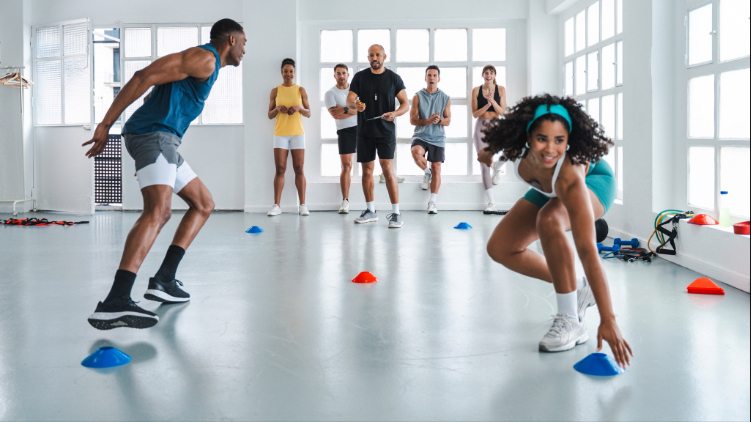
Activation drills for specific muscle groups are targeted exercises designed to engage and prepare particular muscles for action. These drills can be especially beneficial for athletes who need to focus on specific areas of their body, such as the shoulders, hips, or core. By incorporating these drills into your warm-up routine, you can ensure that the targeted muscles are adequately activated and ready for the demands of your sport.
One of the primary benefits of activation drills is their ability to enhance the neuromuscular connection between your brain and muscles. These drills involve specific movements that help to “wake up” the muscles, ensuring that they are firing properly during dynamic activities. This can lead to improved muscle coordination, strength, and overall performance. Additionally, activation drills can help to correct muscle imbalances and improve movement patterns, reducing the risk of injury.
Some effective activation drills for specific muscle groups include glute bridges for the glutes, scapular push-ups for the shoulders, and dead bugs for the core. Each of these drills targets different muscle groups and can help to improve stability and strength. For example, glute bridges are excellent for activating the glute muscles, which play a crucial role in hip stability, while scapular push-ups can help strengthen the muscles around the shoulder blades. Incorporating a variety of activation drills into your routine can ensure that all your muscles are adequately activated and ready for action.
Incorporating muscle activation techniques into your training routine can be a game-changer for your athletic performance. By dedicating time to activate your muscles before every workout, you can ensure that your body is fully prepared for the demands of physical activity. This preparation can lead to improved strength, endurance, and overall performance, while also reducing the risk of injury.
To incorporate muscle activation into your routine, start with a comprehensive warm-up that includes dynamic stretching, foam rolling, resistance band exercises, isometric holds, and activation drills for specific muscle groups. Spend at least 10-15 minutes on this warm-up phase, ensuring that you target all the major muscle groups. This dedicated warm-up time can help to increase blood flow, improve flexibility, and enhance neuromuscular communication, setting the stage for a successful workout.
In addition to your warm-up routine, consider incorporating muscle activation techniques into your cool-down and recovery sessions. Foam rolling and static stretching can help to release tension and promote muscle recovery, while resistance band exercises and isometric holds can help to maintain muscle strength and endurance. By consistently incorporating these techniques into your training routine, you can ensure that your muscles are always engaged and ready for action.
Muscle activation techniques are essential tools for any athlete looking to optimize their performance and reduce the risk of injury. By understanding and implementing these techniques, you can ensure that your muscles are firing on all cylinders, leading to improved strength, endurance, and overall athletic performance. Whether you are a seasoned competitor or just starting your fitness journey, incorporating these five muscle activation techniques into your routine can help you achieve your goals faster and more effectively.
Dynamic stretching, foam rolling, resistance band exercises, isometric holds, and activation drills for specific muscle groups each offer unique benefits that can enhance your training routine. These techniques help to increase blood flow, improve flexibility, enhance neuromuscular communication, and strengthen stabilizing muscles, all of which are crucial for optimal performance. By dedicating time to activate your muscles before every workout, you can ensure that your body is fully prepared for the demands of physical activity.
In conclusion, muscle activation techniques are powerful strategies that can transform your training routine and unlock your true athletic potential. By incorporating these techniques into your warm-up, cool-down, and recovery sessions, you can enhance your performance, reduce the risk of injury, and achieve your goals faster. So, take the first step towards unlocking your athletic potential by incorporating these muscle activation techniques into your training routine today!
Please fill in your details to start.
Hi there! 👋
I am Revolution Nutrition's customer support! How are you today?